
Story
CIBC Warns Weakening Canadian Dollar Could Fuel Inflation, Complicate BoC Policy
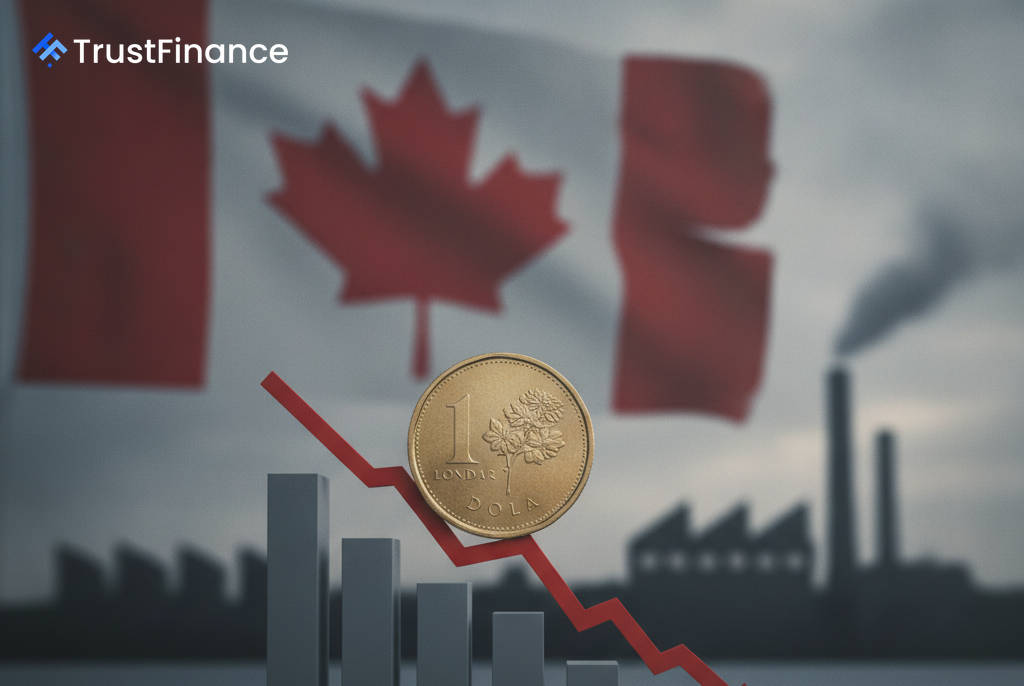
A continued slide in the Canadian dollar could introduce significant inflationary risks and complicate the Bank of Canada's (BoC) monetary policy decisions, according to an analysis by CIBC Capital Markets economist Avery Shenfeld. The currency's weakness comes as the domestic economy faces threats from trade tensions and slowing growth, creating a challenging environment for the central bank.
Inflationary Pressures Mount
The Canadian dollar has depreciated by approximately 5% against the BoC's trade-weighted currency basket since the early summer of 2025. According to CIBC, historical models indicate that a decline of this magnitude could push inflation higher by about 0.3 percentage points at its peak impact, as the cost of imported goods rises.
This currency-driven inflation could be exacerbated if the U.S. Federal Reserve raises interest rates while the BoC holds its policy rate steady, which would likely put further downward pressure on the loonie. CIBC forecasts that Canada's annual inflation rate for September will rise to 3.2% from 3.0% in August, partly due to higher gasoline prices. However, core inflation measures are expected to remain near the 2% target, providing the BoC with some rationale to maintain its current stance.
A Complicated Policy Path
While a weaker currency can boost exports by making Canadian goods more competitive abroad, CIBC notes that it also directly fuels inflation. The bank suggests that if the price increases are seen as temporary rather than the start of a broader inflationary trend, the BoC may not be compelled to raise interest rates.
 Ad
The central bank must weigh these inflationary pressures against significant economic risks. These include weakening domestic demand and escalating trade tensions with the United States, which has threatened a 50% tariff on Canadian autos and parts starting January 1. Should these risks materialize alongside a drop in oil prices, CIBC stated that the BoC might even consider rate cuts next year to support slowing growth.
Limited Export Boost
CIBC also cautioned that the potential benefits of a weaker dollar for Canadian exporters are limited. Many of the country's manufacturers rely on raw materials and inputs priced in U.S. dollars, which blunts the competitive advantage gained from a lower exchange rate.
As a result, any improvement in competitiveness would likely be concentrated in sectors not directly affected by tariffs or heavily dependent on U.S. dollar inputs. CIBC advised that investors should monitor both the U.S. Dollar Index and the Canadian dollar's performance to gauge how exchange rate pressures might influence upcoming BoC policy decisions.
Read next
More on Forex
Pound Sterling Rises on Surprise UK Growth as Dollar Falters
The British pound gained against a weakening U.S. dollar after UK economic data for August unexpectedly showed growth. The dollar's decline was attributed to concerns over debt in the AI sector, overriding recent hot inflation data.
Canadian Dollar Strengthens, but Hot U.S. PPI Report Raises Inflation Alarms
The Canadian dollar gained against its U.S. counterpart on Thursday, even as a surprisingly high U.S. producer price index report intensified concerns about persistent inflation and further Federal Reserve tightening.

Argentina Halts Domestic Dollar Bond Sales as Yields Spike Above 12%
Argentina has suspended its domestic issuance of dollar-denominated bonds for the second straight month after yields surged past 12%, complicating its debt repayment strategy.

Dollar's Four-Week Rally Ends; Indonesian Rupiah Tumbles on MSCI Downgrade Threat
The U.S. dollar posted its first weekly loss in over a month as falling Treasury yields reduced its appeal, while Indonesian markets faced a sharp sell-off on a proposed downgrade from index provider MSCI.