
Story
Agricultural Commodities Outperform Copper on Risk-Adjusted Basis, OptionMetrics Reports
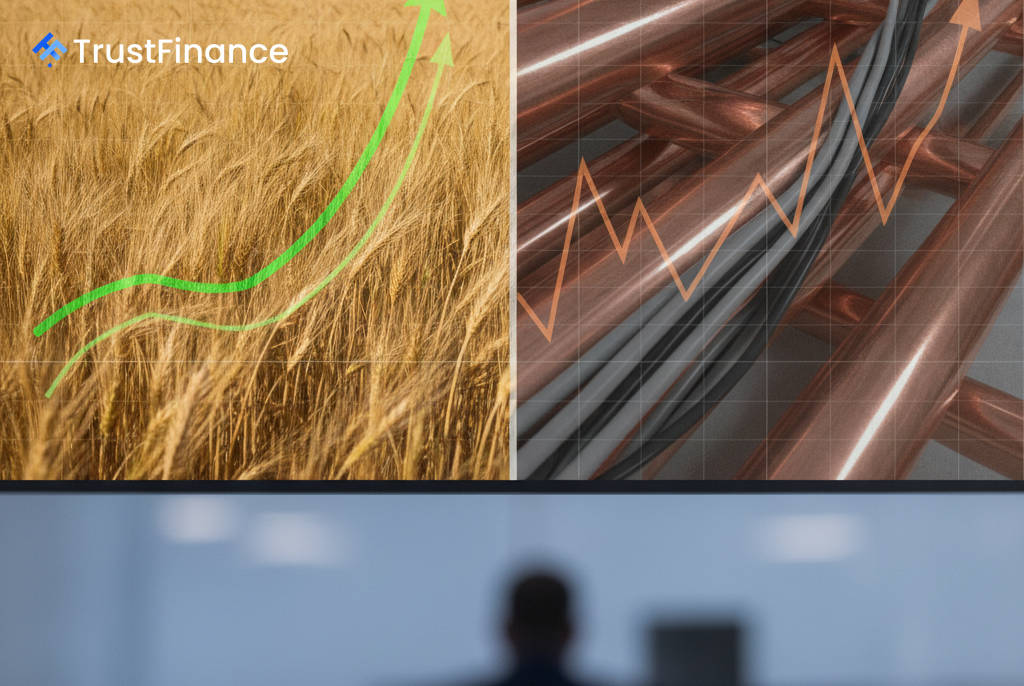
Certain agricultural commodities have delivered substantial gains and superior risk-adjusted returns so far this year, quietly outshining more heavily publicized assets like copper, according to a recent analysis by options data provider OptionMetrics.
Agricultural Gains Outpace Hype
While energy markets have captured significant attention, sugar, Chicago SRW wheat, and soybeans have posted impressive returns with less fanfare. According to a post by Brett Friedman for OptionMetrics, these commodities also hold meaningful weight in major benchmarks like the S&P GSCI and the Bloomberg Commodity Index.
As of October 16, their year-to-date performance stood in stark contrast to broader equity markets:
- Sugar: +44.7%
- Chicago SRW wheat: +32.3%
- Soybeans: +22.1%
For comparison, the SPDR S&P 500 ETF (SPY) and Invesco QQQ Trust (QQQ) had returned 11.7% and 15.8%, respectively, over the same period.
Risk-Adjusted Returns Tell the Story
 Ad
The outperformance of these agricultural products is even more pronounced when measured on a risk-adjusted basis using the Sharpe ratio, which evaluates returns relative to volatility. The analysis found that sugar, soybeans, and wheat all provided significantly higher returns for the level of risk taken compared to copper.
- Sugar Sharpe Ratio: +1.72
- Soybeans Sharpe Ratio: +1.3
- Chicago SRW wheat Sharpe Ratio: +1.2
- Copper Sharpe Ratio: 0.65
The report also noted that wheat and soybeans have moved in near lockstep this year, with their calendar-year price correlation reaching a record 0.919, indicating minimal diversification benefit between the two.
Copper's AI Narrative Disappoints Investors
Copper has been a focus of market discussion due to its role as a key input for electronics, leading some to trade it as a proxy for the artificial intelligence boom. Despite this compelling narrative, its performance has been underwhelming, OptionMetrics noted.
While copper has returned 15.5% year-to-date, its Sharpe ratio of just 0.65 is substantially lower than the highlighted agricultural commodities. Furthermore, its average implied volatility of 29.1% this year remains above its 21-year baseline of 26.9%. “Regardless, those trading it as an AI proxy have been disappointed so far this year,” Friedman wrote, concluding that “the financial press often confuses a compelling narrative with actual, risk-adjusted results.”
Read next
More on Commodities
U.S. Crude Inventories Post Surprise Draw While Gasoline Stocks Swell, EIA Reports
U.S. crude oil stockpiles fell unexpectedly last week, driven by a surge in exports, while gasoline inventories saw a significant build amid weakening demand, according to the latest EIA data.

UBS Raises Year-End Brent Forecast to $110 on Middle East Supply Risks
UBS has increased its year-end forecast for Brent crude to $110 per barrel, citing escalating supply risks in the Middle East, declining global inventories, and record-high freight costs.
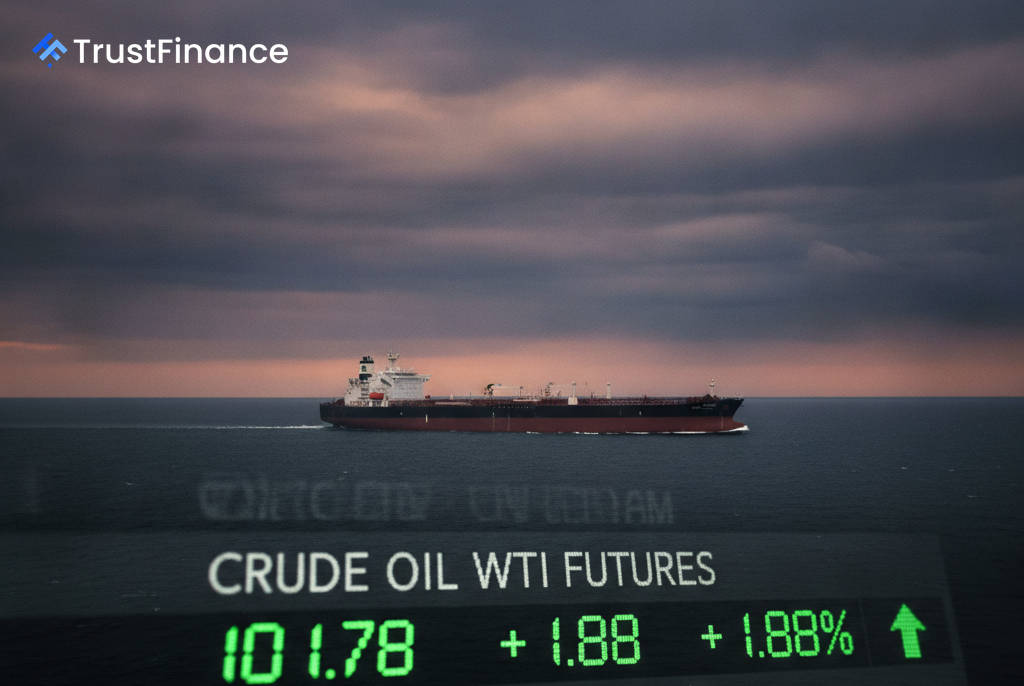
Iran Dismisses Latest Qatari Peace Proposal as 'Unacceptable'
A senior Iranian official has rejected the latest Qatari-mediated draft deal to end the eight-month war, calling the ideas 'unacceptable' and signaling a continued diplomatic impasse. The news comes amid rising oil prices following attacks on Saudi energy infrastructure.

Argentina Poised to Gain EU Soymeal Market Share as Deforestation Rules Hit Brazil
Argentina's soybean industry is preparing to capture a larger share of the European Union's soymeal market as new EU anti-deforestation rules are expected to disrupt exports from rival Brazil.