
Story
US Estrogen Shortage Expands to Creams and Injections as Demand Soars
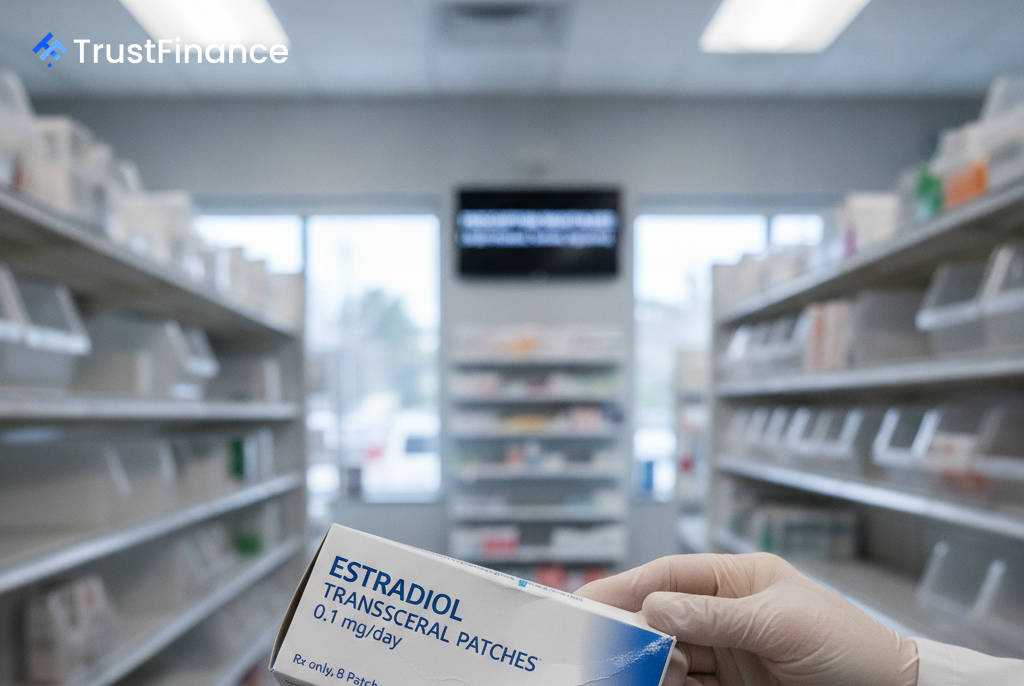
A nationwide shortage of estrogen hormone replacement therapies in the United States has intensified, expanding beyond the widely reported scarcity of transdermal patches to now include injectable solutions and vaginal creams. The widening supply crunch is being fueled by a significant surge in patient demand, forcing women and their healthcare providers to navigate an increasingly limited set of treatment options for menopause symptoms.
Shortages Spread to Alternative Treatments
While the U.S. Food and Drug Administration (FDA) has been working with manufacturers since September to address the patch shortages, other forms of the hormone are now also in short supply. The American Society of Health-System Pharmacists (ASHP) listed multiple estradiol products as being on backorder or in short supply as of early September.
According to the ASHP, affected products include:
- Estradiol injections from manufacturers such as Hikma, American Regent, and Par Sterile Products.
- Vaginal estradiol creams made by Viatris' Mylan unit, Padagis, and Teva.
Dr. Kathleen Jordan, chief medical officer of telehealth provider Midi Health, told Reuters that a "domino effect" is occurring. "Persistent patch shortages have been going on for a while and as prescribers and their patients go to alternative gels and creams, there has been a domino effect impacting the supplies of these prescriptions as well," she said.
Unprecedented Demand Fuels Scarcity
 Ad
The primary driver of the shortages is a sharp increase in demand for hormone replacement therapy. This follows the FDA's removal last year of a long-standing "boxed warning" on some hormone treatments that had signaled potential health risks found in a large 2002 study.
In September, the FDA stated that the U.S. supply of approved estradiol patches had nearly doubled over the previous year but still had not kept up with demand. Illustrating the scale of the demand, billionaire entrepreneur Mark Cuban said his Cost Plus Drugs online pharmacy had seen demand for its products surge fivefold to tenfold.
Manufacturers Scramble to Boost Production
Pharmaceutical companies are now working to increase output to meet the elevated demand. Viatris (VTRS), a manufacturer of both patches and creams, acknowledged a "significant surge in demand" and said it had moved its St. Albans, Vermont, facility to around-the-clock production. The company stated it is also investing in new equipment and a new production line to expand long-term capacity.
Similarly, Amneal (AMRX), another patch manufacturer, confirmed that demand increased significantly after the FDA's warning removal and that it was working to increase production. However, pharmacy chains like CVS Health (CVS) confirmed that manufacturers have struggled to provide sufficient supplies of estradiol injections, a situation it said has worsened in recent weeks. Teva, Padagis, Hikma, American Regent, and Par Health did not respond to Reuters' requests for comment.
Read next
More on Stocks
Arcadis Shares Climb on Strong Q3 Earnings and Accelerating Growth
The Dutch engineering firm reported third-quarter revenue and profit that beat analyst estimates, driven by accelerating organic growth, improved margins, and robust cash flow.

SK hynix ADRs Surge on Record Earnings, KRW 100 Trillion Shareholder Return Plan
Shares of SK hynix surged after the South Korean memory chip giant reported its strongest quarterly results in history, driven by AI demand, and announced a landmark KRW 100 trillion shareholder return program.

Vidrala Posts Flat Q3 Revenue, Announces Share Buyback
The Spanish glass manufacturer reported third-quarter revenue of €393 million and EBITDA of €113 million, largely in line with analyst expectations, while maintaining its full-year guidance.

Micron Stock Rallies as SK Hynix's Record Earnings Signal Memory Market Boom
Micron Technology shares gained after memory chip competitor SK Hynix posted record-breaking quarterly results, signaling strong demand and pricing power in the AI-driven memory market.