
Story
White House Expected to Extend Jones Act Waiver to Combat High Gas Prices
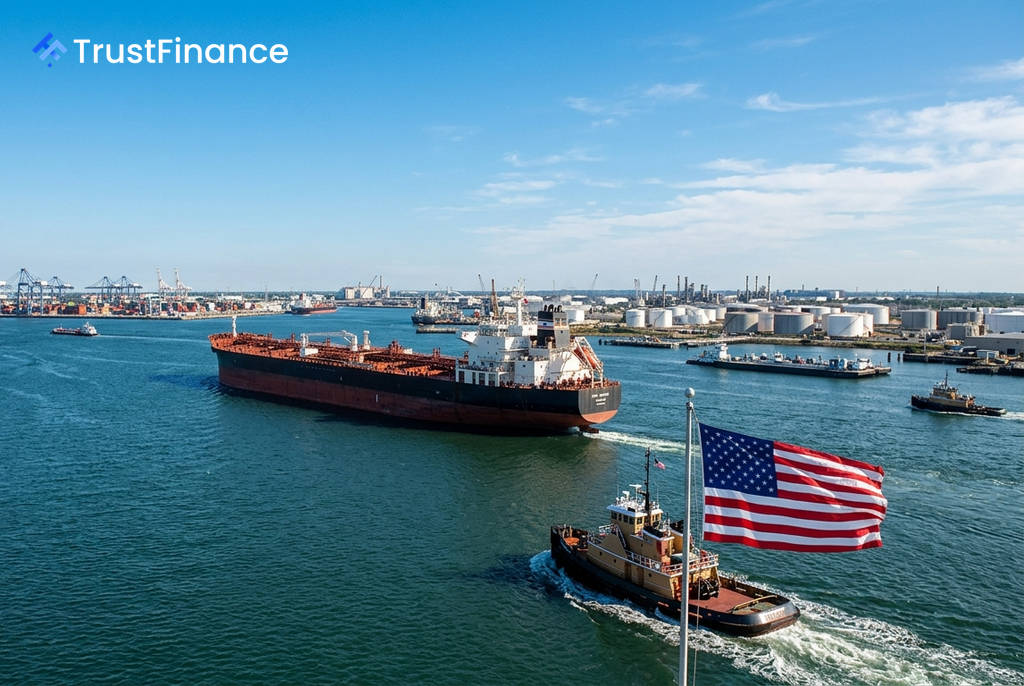
The White House is expected to extend a waiver of the Jones Act in the coming days, according to sources familiar with the matter, as the Trump administration seeks to alleviate pressure from high gasoline prices ahead of the November midterm elections. The current waiver, which allows for greater flexibility in shipping fuel between U.S. ports, is set to expire on August 16.
Waiver Details and Delays
The Jones Act is a century-old law that mandates goods shipped between U.S. ports be transported on vessels that are U.S.-built, owned, and crewed. The temporary suspension of these rules is intended to increase the availability of tankers and reduce transport bottlenecks.
According to U.S. government data, the exemption has been used nearly 200 times over the past four and a half months. An extension was anticipated by the end of July, but three people familiar with the discussions told Reuters that administration officials have continued to meet with maritime industry representatives and lawmakers to potentially narrow the waiver's scope.
Market Impact and Political Pressure
The move comes as the administration faces limited options to lower fuel costs, with U.S. gasoline prices averaging over $4 a gallon. President Trump has recently escalated his rhetoric against major oil companies, accusing Exxon Mobil and Chevron of making "too much money."
 Ad
However, the direct impact on consumers may be limited. Bob McNally, president of Rapidan Energy Group, told Reuters the waiver would likely reduce gasoline prices by only pennies per gallon. He noted that other measures, such as pressing Saudi Arabia to increase production, are not currently feasible due to regional conflicts, while options like a windfall profits tax are considered politically or economically risky.
Industry and Lawmaker Opposition
The potential extension faces significant pushback from maritime groups and some Republican lawmakers, including House Speaker Mike Johnson and House Majority Leader Steve Scalise. Critics argue that broad waivers undermine the domestic shipping fleet and the Jones Act's national security objectives.
Industry groups like the American Maritime Partnership (AMP) have launched advertising campaigns opposing the extension. AMP President Jennifer Carpenter argued the policy primarily benefits foreign interests, stating, "The waiver has shifted routine domestic commerce to foreign operators, including entities linked to China and Russia, while undermining the U.S. maritime industrial base."
Read next
More on Stocks
FTC Orders Walmart, Uber, Delta to Disclose Data on Personalized Pricing
The U.S. Federal Trade Commission is demanding nine major companies, including leading retail, travel, and gig economy firms, to provide information on how they use consumer data for setting individual prices and wages.

Google Launches Gemini 4 Carbon AI Model to Bolster Cybersecurity Capabilities
Alphabet's Google has unveiled Gemini 4 Carbon, its latest AI model specifically designed for advanced cybersecurity tasks like vulnerability detection and secure code generation. The launch escalates competition with rivals OpenAI and Anthropic in the enterprise AI market.

Oracle Shares Surge After Unveiling $225 Billion Revenue Target for 2030
Oracle stock rose sharply after the company presented a long-term financial outlook targeting at least $225 billion in annual revenue by fiscal 2030, driven by its expanding AI infrastructure business.

DOJ Scrutinizes Nvidia's $12.9B Hugging Face Deal Amid Broader Antitrust Probe, Sources Say
The U.S. Department of Justice is reportedly examining Nvidia's planned $12.93 billion acquisition of AI platform Hugging Face as part of a wider, ongoing antitrust investigation into the chipmaker's market conduct.