
Story
US Treasury Yields Fall on Safe-Haven Bids; French 10-Year Yield Breaches 5%
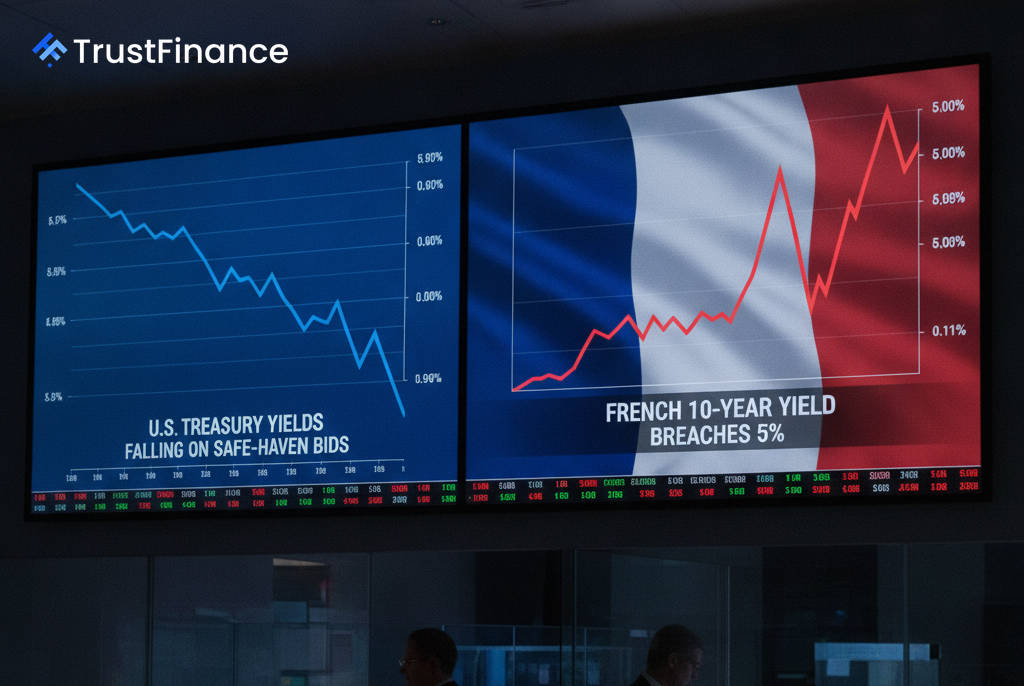
U.S. Treasury yields declined for a second consecutive session on Wednesday, driven by a flight to safer assets amid persistent concerns over high valuations in the artificial intelligence sector. In Europe, political instability in France sent the country's benchmark 10-year bond yield above the key 5% threshold for the first time in over two decades.
U.S. Treasuries Rally on Risk-Off Sentiment
A broader decline in risk appetite across global markets fueled demand for low-risk sovereign debt. The rally was attributed to growing investor unease about the timeline for AI monetization and generally elevated equity valuations, prompting a move into government bonds.
- The benchmark 10-year U.S. Treasury yield fell to 5.110%.
- The 30-year Treasury yield slipped to 5.419%, near its lowest level in almost a month.
- In contrast, the policy-sensitive 2-year Treasury yield held near a one-week high at 4.776%.
Despite the recent buying, longer-term U.S. yields remain historically elevated as investors contend with a widening federal deficit and significant supply pressure from frequent bond auctions. Markets are also looking ahead to earnings from Meta and Tesla for insights into capital expenditures on AI infrastructure. Money markets widely expect the Federal Reserve to hold its policy rate steady at its upcoming meeting, though they are pricing in potential adjustments before December.
French Political Turmoil Roils European Bonds
 Ad
France's benchmark 10-year government bond yield topped the 5% psychological level, hitting 5.001% for the first time since 2002. The sharp sell-off in French debt reflects investor alarm over the country's escalating social and fiscal crises.
Intense anti-government protests in Paris and Nice, coupled with the imposition of night-time curfews, have weakened confidence in France's ability to achieve fiscal consolidation. The nation's budget deficit currently stands at 5.4% of its GDP. According to Reuters, the risk premium investors demand to hold French 10-year bonds over their benchmark German counterparts widened to approximately 157 basis points, approaching levels last seen in 2011.
U.K. Gilts React to Hotter Inflation
In the United Kingdom, government bond prices also rose after official data showed a sharp acceleration in inflation. The U.K.'s Consumer Price Index (CPI) rose 3.5% year-over-year in September, exceeding market forecasts and picking up from August's 3.1% reading.
In response, the policy-sensitive 2-year Gilt yield climbed near its highest level since late 2023. The move came as money markets pared back bets on near-term interest rate cuts by the Bank of England.
Read next
More on Forex
Pound Sterling Rises on Surprise UK Growth as Dollar Falters
The British pound gained against a weakening U.S. dollar after UK economic data for August unexpectedly showed growth. The dollar's decline was attributed to concerns over debt in the AI sector, overriding recent hot inflation data.
Canadian Dollar Strengthens, but Hot U.S. PPI Report Raises Inflation Alarms
The Canadian dollar gained against its U.S. counterpart on Thursday, even as a surprisingly high U.S. producer price index report intensified concerns about persistent inflation and further Federal Reserve tightening.

Argentina Halts Domestic Dollar Bond Sales as Yields Spike Above 12%
Argentina has suspended its domestic issuance of dollar-denominated bonds for the second straight month after yields surged past 12%, complicating its debt repayment strategy.
Dollar's Four-Week Rally Ends; Indonesian Rupiah Tumbles on MSCI Downgrade Threat
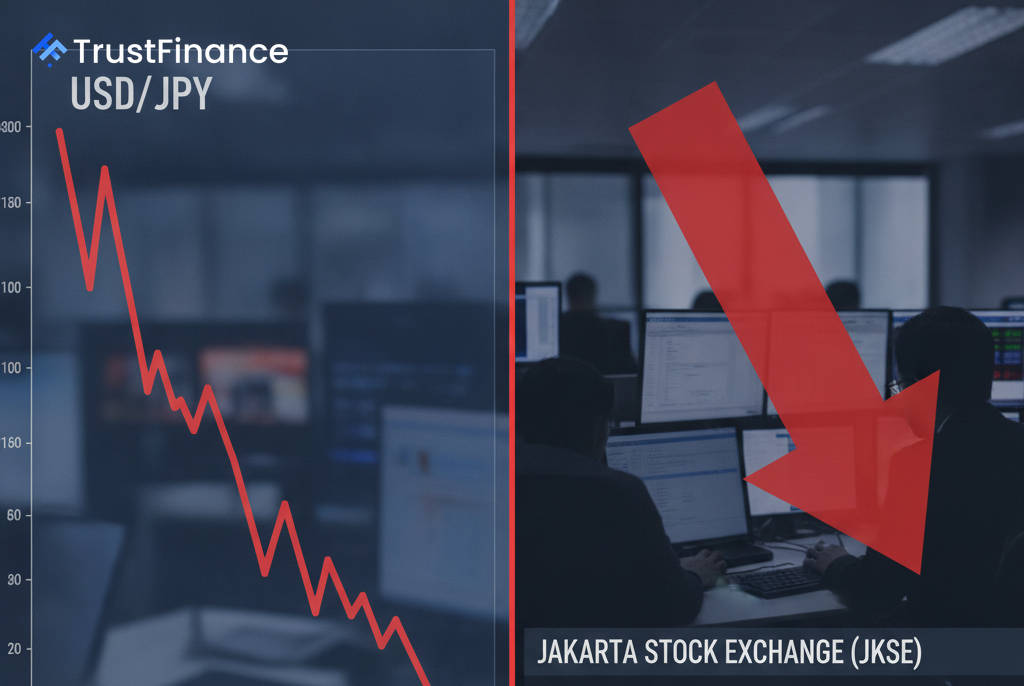
The U.S. dollar posted its first weekly loss in over a month as falling Treasury yields reduced its appeal, while Indonesian markets faced a sharp sell-off on a proposed downgrade from index provider MSCI.