
Story
US Airlines Prioritize Higher Fares Over Fuller Planes as Fuel Costs Squeeze Profits

U.S. airlines are increasingly accepting empty seats on their planes rather than cutting fares, a strategic shift to protect profits from soaring fuel costs. This focus on pricing discipline has delivered significant revenue gains, but carriers still face margin pressure, forcing several to trim their earnings forecasts.
Protecting Margins Over Volume
Airline executives are prioritizing yield—the revenue collected for each mile a passenger flies—over load factors, a measure of how many available seats are filled. The strategy is evident in third-quarter results from five major carriers (Delta, United, American, Southwest, and Alaska), where passenger revenue collectively rose $8.8 billion, or 18%, from a year earlier, while passenger traffic grew less than 1%.
- American Airlines saw its passenger yields jump more than 18% in the third quarter, a trade-off that was "deliberate," Chief Financial Officer Devon May told Reuters.
- United Airlines' leisure load factor fell 1.3 percentage points in the quarter, which its commercial chief, Andrew Nocella, called "a trade we would make every day" given the higher ticket prices.
- Delta Air Lines has also been "managing the business for margins," according to CEO Ed Bastian.
This approach comes as U.S. air fares rose an average of nearly 23% year-over-year in the seven months through September, far outpacing the 3.6% increase in overall consumer prices, according to Labor Department data. Carriers are continuing to push prices higher, with JP Morgan reporting that JetBlue Airways initiated a $10 one-way fare increase last week.
The Fuel Cost Squeeze
The industry's strategic pivot is a direct response to a dramatic spike in operating costs. According to the U.S. Energy Information Administration, Gulf Coast spot jet fuel prices have surged roughly 90% since February, climbing from $2.43 to $4.63 a gallon by October 20.
 Ad
Despite record revenues, these higher costs have eroded profitability. Delta Air Lines and Southwest Airlines have both cut their annual earnings forecasts, and American Airlines now expects a full-year loss. The pressure has led carriers to re-evaluate their expansion plans, with American intending to slow its growth considerably next year.
A Test in 2027
The airlines' resolve to maintain high fares will be tested in the coming year. Industry schedules point to a significant increase in domestic capacity, which could intensify competition for passengers.
Data from Cirium, cited by the industry group Airlines for America, shows that six major U.S. airlines plan to grow domestic capacity by 3.0% in the fourth quarter and 3.8% in the first quarter of 2027. This marks a sharp acceleration from just 0.2% growth in the third quarter. While some executives have cautioned that these published plans may not fully materialize, any significant capacity growth could make it difficult to sustain the year's substantial fare gains.
"If fuel stays elevated, we have to continue to push yield up so that we can make a bit of money," American's CFO Devon May said, adding, "We think these yield gains are very sustainable."
Read next
More on Stocks
Nikkei 225 Gains 1.78% as Tech and Banking Shares Lead Tokyo Market Higher
Japanese stocks closed significantly higher on Tuesday, with the Nikkei 225 index rising 1.78% amid broad sector gains and a notable drop in market volatility. Semiconductor-related firms were among the top performers, while the yen weakened against the U.S. dollar.

Bernstein Names Advantest, Kokusai Top Japan Chip Picks Ahead of Q3 Earnings
Bernstein has identified Advantest and Kokusai Electric as its top long positions in the Japanese semiconductor sector going into Q3 earnings. The firm also warned of a potential earnings miss for Screen Holdings, urging caution despite strong broader AI demand.

Nordex Secures 51.3 MW Turbine Order for German Wind Farm
Wind turbine manufacturer Nordex announced it will supply nine turbines for the Bredenbek wind farm in northern Germany, a deal that includes a 20-year service agreement with developer DenkerWulf.
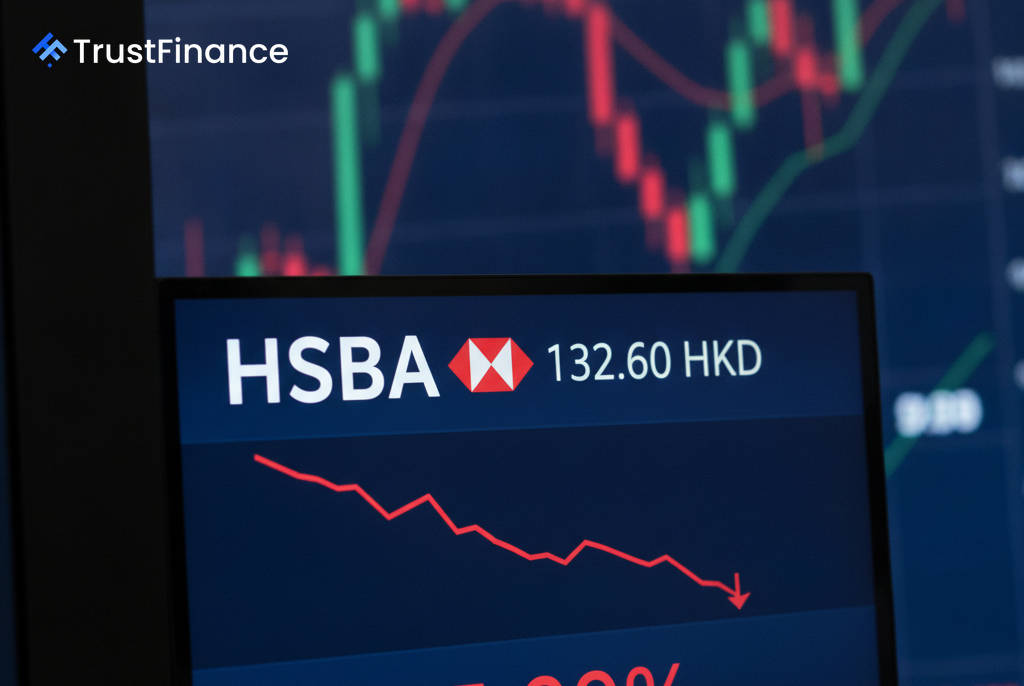
HSBC Hong Kong Shares Tumble After Q3 Profit Narrowly Misses Forecasts
The bank's stock fell to a six-month low after its third-quarter pre-tax profit came in just under analyst expectations and a key capital ratio showed a slight decline, overshadowing a new buyback plan.