
Story
Sysco Halts Iceberg Lettuce Purchases From Taylor Farms, Mexico Amid Cyclosporiasis Outbreak
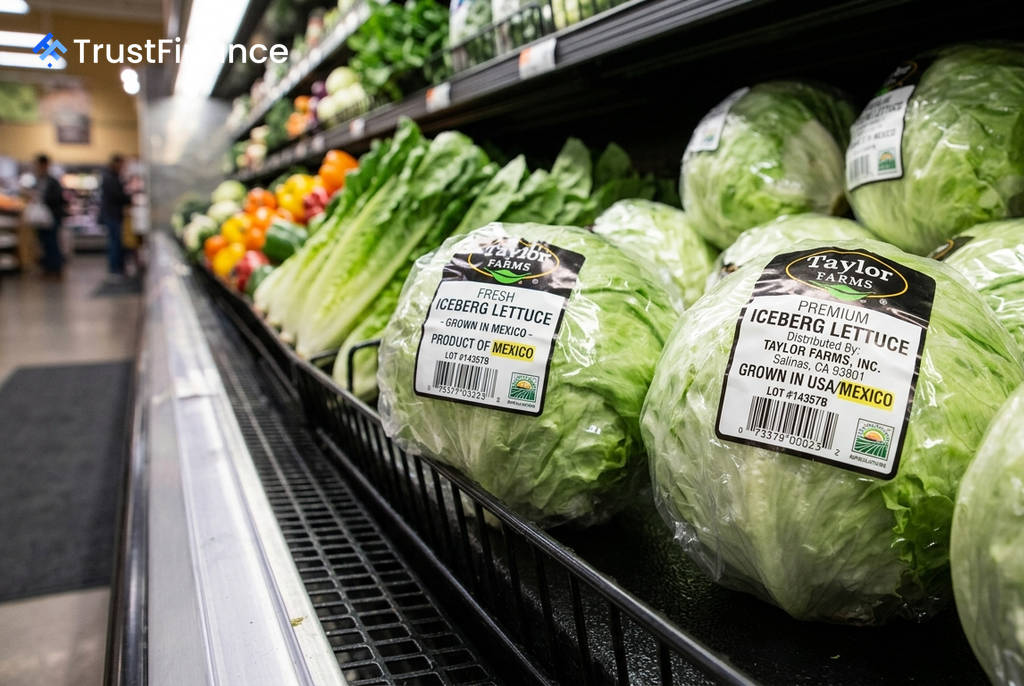
Sysco, the largest food distributor in the United States, has stopped purchasing iceberg lettuce from produce supplier Taylor Farms and from all sources in Mexico, a direct response to an ongoing U.S. cyclosporiasis outbreak. The move was confirmed by CEO Kevin Hourican in an interview on Tuesday.
Supply Chain Shift
The decision expands on an earlier, more targeted action by the company. Sysco had previously halted sales and distribution of Taylor Farms' iceberg lettuce from Mexico in mid-July, initiating a voluntary recall before Taylor Farms issued its own official recall.
"We’re not buying iceberg lettuce from them, and we’re not buying it from Mexico," Hourican stated. He added that Sysco is now actively working to diversify its procurement network. "We’ve changed country and geography of origin, and we’re obviously communicating actively with our customers about the state of play here."
Outbreak Investigation Context
 Ad
The U.S. Food and Drug Administration (FDA) has linked the cyclosporiasis outbreak to iceberg lettuce sourced from Taylor Farms' operations in central Mexico. The lettuce in question was reportedly served at Taco Bell restaurants.
However, the FDA investigation remains ongoing as authorities continue to search for other potential sources of contamination. The broader concern has prompted other major food companies to re-evaluate their sourcing, with former FDA Commissioner Scott Gottlieb noting last week that some large retailers and restaurants were avoiding produce from other growers in central Mexico.
Market Implications
Sysco's decision to halt purchases from an entire country and a major supplier underscores the significant supply chain disruptions that can arise from food safety concerns. For investors and restaurant clients, this highlights the operational risks in the food distribution sector and the importance of a diversified sourcing strategy to mitigate the impact of regional contamination events.
Read next
More on Stocks
FTC Orders Walmart, Uber, Delta to Disclose Data on Personalized Pricing
The U.S. Federal Trade Commission is demanding nine major companies, including leading retail, travel, and gig economy firms, to provide information on how they use consumer data for setting individual prices and wages.

Google Launches Gemini 4 Carbon AI Model to Bolster Cybersecurity Capabilities
Alphabet's Google has unveiled Gemini 4 Carbon, its latest AI model specifically designed for advanced cybersecurity tasks like vulnerability detection and secure code generation. The launch escalates competition with rivals OpenAI and Anthropic in the enterprise AI market.

Oracle Shares Surge After Unveiling $225 Billion Revenue Target for 2030
Oracle stock rose sharply after the company presented a long-term financial outlook targeting at least $225 billion in annual revenue by fiscal 2030, driven by its expanding AI infrastructure business.

DOJ Scrutinizes Nvidia's $12.9B Hugging Face Deal Amid Broader Antitrust Probe, Sources Say
The U.S. Department of Justice is reportedly examining Nvidia's planned $12.93 billion acquisition of AI platform Hugging Face as part of a wider, ongoing antitrust investigation into the chipmaker's market conduct.