
Story
New York City to Implement 'Click to Cancel' Rule for Subscriptions, Ban Hidden Fees
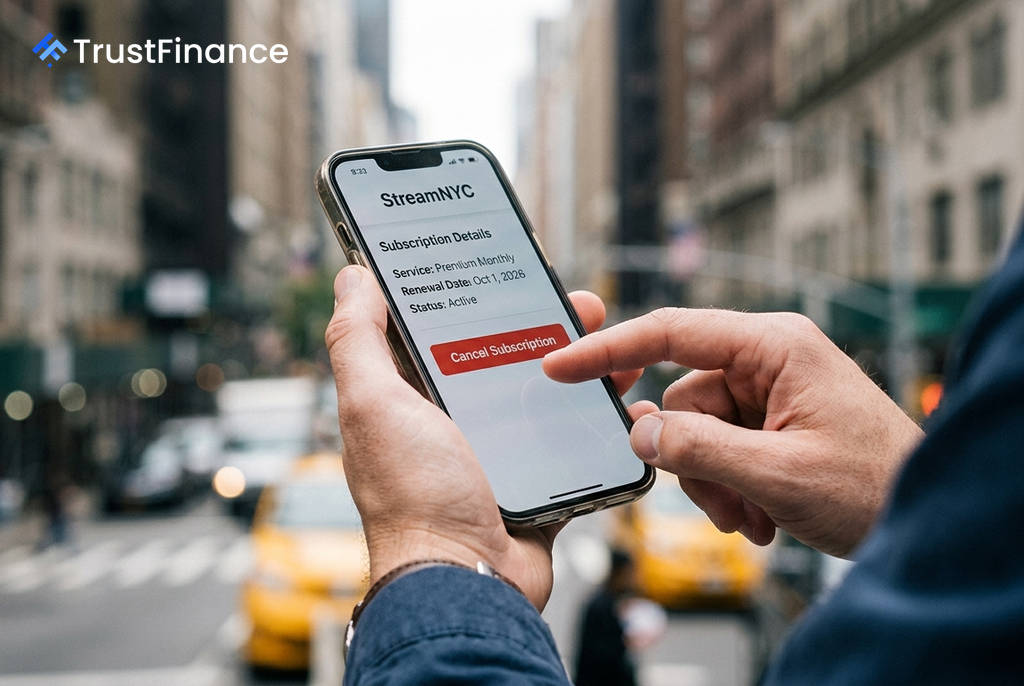
New York City will introduce new consumer protection rules targeting subscription-based business models and hidden charges, requiring companies to provide a simple “Click to Cancel” option. The new policy, which also mandates upfront pricing for all goods and services, is scheduled to take effect on October 1, according to a statement from city officials.
New Consumer Protection Rules
The policy consists of two primary components aimed at increasing transparency for consumers. City officials described the initiative as the first of its kind for a U.S. municipal government.
- 'Click to Cancel' Rule: This applies to all automatic renewal and continuous service subscriptions. Businesses must clearly disclose all subscription terms and provide a straightforward cancellation process that is as easy as signing up.
- 'Junk' Fees Rule: This measure requires businesses to advertise the full and final price of goods and services, including all mandatory charges and fees, from the outset.
Financial Implications
Businesses found in violation of the new rules will face significant financial penalties. According to the announcement, penalties will begin at $525 per violation and include restitution for affected consumers.
 Ad
City officials highlighted the economic burden of non-transparent pricing, citing consumer reports that estimate hidden fees cost an average family of four approximately $3,200 each year. The new rules are part of a campaign promise by Mayor Zohran Mamdani to make the city more affordable.
Regulatory Context
The city's move follows a setback for similar regulations at the federal level. A national “Click to Cancel” rule introduced by the Biden administration was struck down by a federal appeals court last year before it could be implemented.
The announcement was made jointly by the offices of New York City Mayor Zohran Mamdani and Department of Consumer and Worker Protection Commissioner Samuel Levine. The policy represents a significant local-level push to regulate practices that have drawn increasing scrutiny from consumer advocates and government agencies.