
Story
Honda Targets $9.4 Billion in Cost Cuts, Pressures Suppliers Amid Chinese EV Competition
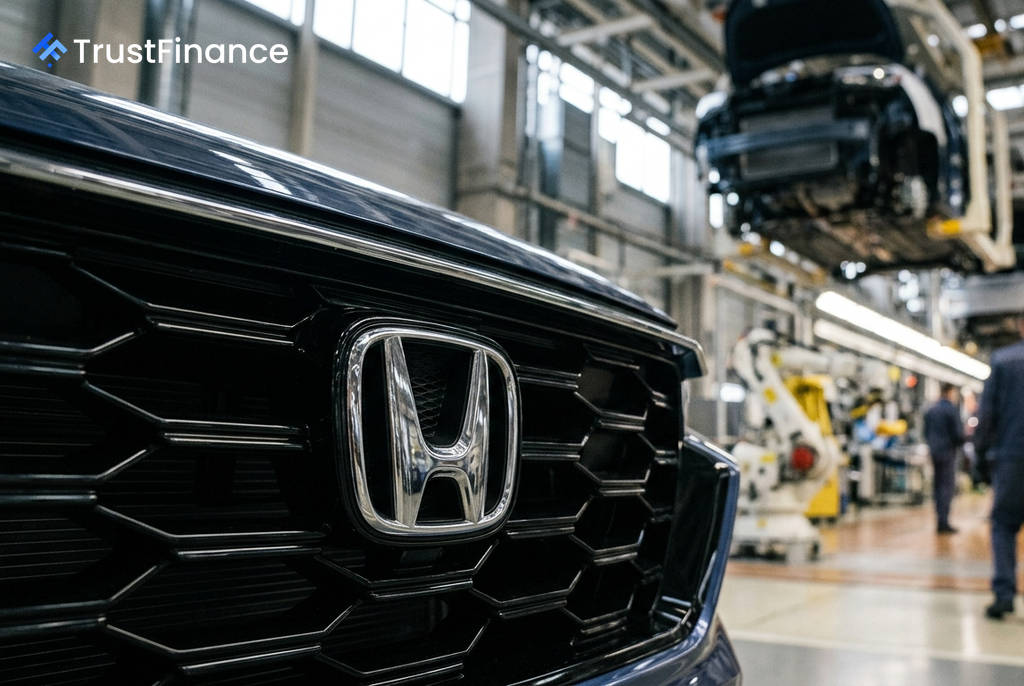
Honda Motor Co. is targeting more than $9.4 billion in cost savings by 2030 and has instructed its suppliers to implement drastic price reductions, according to a Reuters report citing internal company documents and a person familiar with the plan. The aggressive strategy is a direct response to intensifying competition from Chinese electric vehicle (EV) manufacturers that are rapidly gaining market share globally.
A Push for Deep Cost Reductions
According to the report, Honda outlined its plan to save 1.5 trillion yen ($9.4 billion) at a meeting with major suppliers this spring. The automaker is seeking cost reductions of 30% across three key component categories: pressed and forged parts, electrical components, and parts related to software-defined vehicles (SDVs).
To achieve these ambitious targets, Honda has asked its direct, or "tier-one," suppliers to overhaul their own procurement processes. The company is urging the use of standardized parts from second- and third-tier suppliers and has also encouraged its partners to expand their own use of Chinese-made components where feasible, the documents reportedly showed.
Responding to Competitive Pressures
The cost-cutting initiative underscores the immense pressure Japanese automakers face from Chinese competitors like BYD. These rivals are leveraging advanced battery technology and software to offer EVs at highly competitive prices, capturing significant market share in key regions including Southeast Asia and Europe.
 Ad
For Honda, the move is part of a broader effort to stabilize its struggling automotive business. The company is forecasting that its EV-related operations will ultimately generate losses exceeding $12 billion. In May, Honda reported its first-ever annual loss as a publicly traded company and has recently pivoted its focus toward gasoline-electric hybrids.
Broader Strategy and Industry Headwinds
This supplier-focused cost-down program complements other strategic moves by Honda. The company recently announced a partnership with rival Nissan to jointly develop standardized electronic control units for SDVs, aiming to streamline development and reduce costs from the 2029 financial year.
One source cited in the report described the cost-reduction targets as "extremely large" and questioned whether they were achievable. The urgency reflects a challenging environment for global automakers, who face not only heightened competition but also rising labor expenses and the significant R&D investments required for next-generation vehicle technology.
Read next
More on Stocks
FTC Orders Walmart, Uber, Delta to Disclose Data on Personalized Pricing
The U.S. Federal Trade Commission is demanding nine major companies, including leading retail, travel, and gig economy firms, to provide information on how they use consumer data for setting individual prices and wages.

Google Launches Gemini 4 Carbon AI Model to Bolster Cybersecurity Capabilities
Alphabet's Google has unveiled Gemini 4 Carbon, its latest AI model specifically designed for advanced cybersecurity tasks like vulnerability detection and secure code generation. The launch escalates competition with rivals OpenAI and Anthropic in the enterprise AI market.

Oracle Shares Surge After Unveiling $225 Billion Revenue Target for 2030
Oracle stock rose sharply after the company presented a long-term financial outlook targeting at least $225 billion in annual revenue by fiscal 2030, driven by its expanding AI infrastructure business.

DOJ Scrutinizes Nvidia's $12.9B Hugging Face Deal Amid Broader Antitrust Probe, Sources Say
The U.S. Department of Justice is reportedly examining Nvidia's planned $12.93 billion acquisition of AI platform Hugging Face as part of a wider, ongoing antitrust investigation into the chipmaker's market conduct.