
Story
Berenberg Initiates Saga with 'Buy' Rating, Citing Cruise Strength and Deleveraging
Berenberg has initiated coverage of British leisure and insurance group Saga plc with a “Buy” rating, setting a price target of 1,025 pence. The bank's analysts argue that the company is nearing the end of a successful transformation, positioning it for strong growth led by its ocean cruise division and a deleveraging balance sheet.
The Analyst Thesis
In a note to clients, Berenberg stated that Saga has evolved from a "complex, over-levered business" into a firm that is "predominantly travel-focused" with a "capital-light insurance offering." The price target implies approximately 62% upside from Saga's closing price of 589 pence on July 8.
The analysts highlighted that while the share price has already risen 240% in the last year as the market began to recognize the turnaround, they believe "there is far further to go." Berenberg's valuation was derived using a discounted cash flow model, peer multiples, and a sum-of-the-parts analysis.
Key Growth Drivers
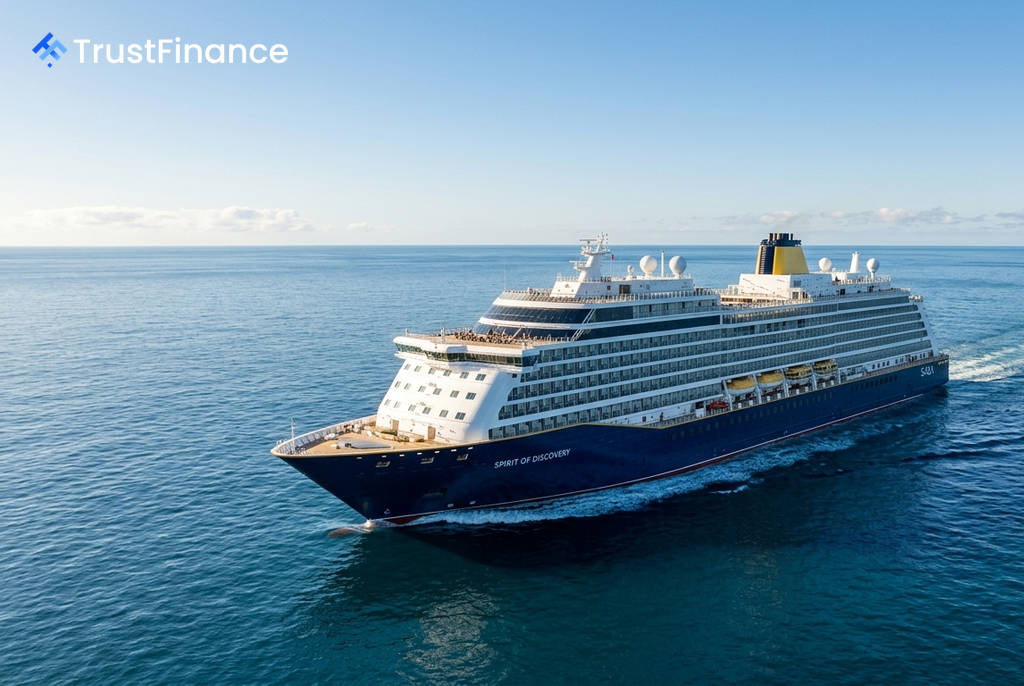
Saga's Ocean Cruise business is a primary driver of the positive outlook. The division, which operates two boutique ships, generated £105.3 million of trading EBITDA in the fiscal year ending January 2026. According to the latest company update from April, load factors are running at approximately 93%, with per diems tracking around 13% higher year-on-year.
 Ad
A strategic shift in the insurance business is also central to the thesis. Saga recently sold its in-house underwriting unit to insurer Ageas for £67.5 million, transitioning to a standalone insurance broker model. Berenberg expects this move to de-risk the company's earnings and create a "highly visible, resilient" stream of cash flow.
Financial Outlook and Deleveraging
Berenberg forecasts a clear path toward a stronger balance sheet, which it identified as a key management priority. The bank projects that Saga's net debt will fall significantly in the coming years.
- Net Debt (FY2026): £500 million
- Net Debt (est. FY2027): £438 million
- Net Debt (est. FY2028): £350 million
This debt reduction is expected to lower the company's leverage from just under 4 times in fiscal 2026 to under 1 time by fiscal 2030, according to Berenberg's estimates. The bank also forecasts revenue growth of 9% and profit-before-tax growth of 24% for fiscal 2027.