
Story
Aerospace Sector Faces Engineering Talent Drain Amid Fierce Competition from AI
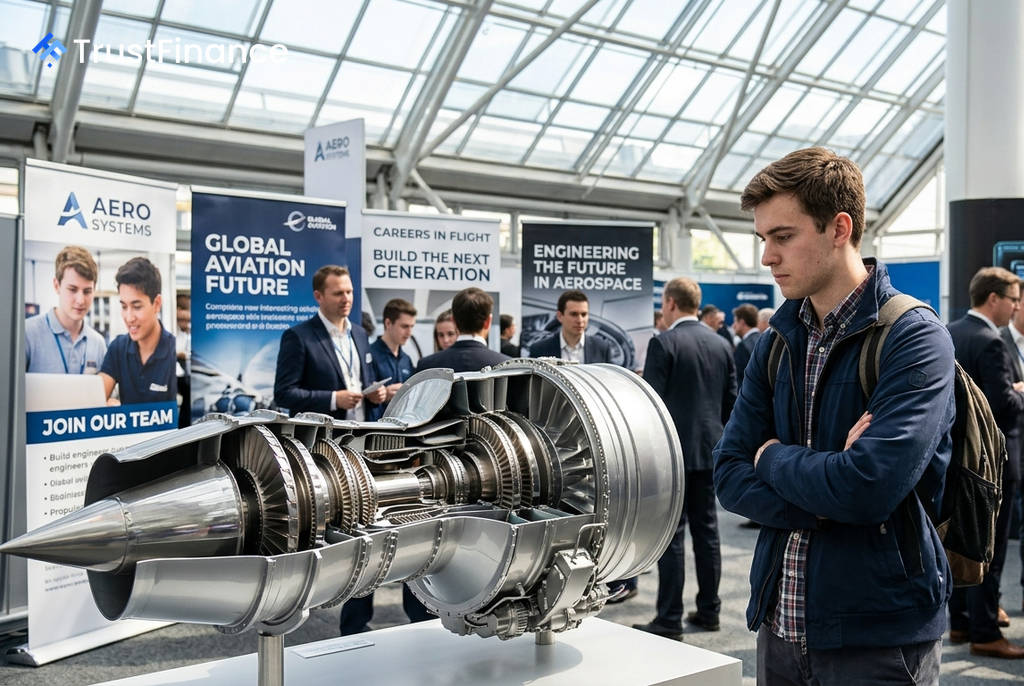
The global aerospace and defense sector is confronting a critical shortage of skilled young engineers, as competition from high-paying technology and artificial intelligence firms diverts talent from the industry. This growing gap threatens the ability of major manufacturers like Boeing and Airbus to ramp up production and work through a record backlog of orders.
A Widening Talent Gap
Industry groups are sounding the alarm over a workforce that is aging faster than it can be replaced. In the United Kingdom, the aerospace and defense sector faces an annual shortfall of around 10,000 specialized engineers, according to trade group ADS. The talent pipeline has failed to keep pace with the sector's 31% growth over the last decade.
A March report from the Royal Aeronautical Society highlights the demographic challenge: more than 50% of licensed aerospace engineers in Britain are over the age of 50, while fewer than 10% are under 30. This comes as many companies are still recovering from past cost-saving measures that included scrapping long-term apprenticeship programs which traditionally fed the talent pool.
Competition from Big Tech
The primary driver of the talent drain is intense competition from other industries that require similar engineering skills. Technology and AI firms, in particular, often offer higher salaries and lower barriers to entry, making them more attractive to recent graduates.
 Ad
"If you’re an engineer coming out of Purdue or MIT or any other of the premier aerospace engineering programmes, you might say maybe I’ll go to Anthropic or OpenAI as opposed to Boeing or Airbus," said Jerrold Lundquist, managing director of the advisory firm The Lundquist Group. This dynamic forces aerospace companies to compete directly with some of the world's most valuable tech firms for a limited number of graduates.
Industry Response and Outlook
In response, the aerospace industry is ramping up recruitment efforts, showcased by events like the Farnborough airshow. Companies are using engine-building exercises and flight displays to generate enthusiasm among younger generations. Kevin Craven, chief executive of ADS, noted that innovations in areas like flying taxis and sustainability could also help attract new engineers.
The UK government is also hopeful that renewed investment in defense, spurred by geopolitical events like the war in Ukraine, will boost the sector's appeal. According to ADS, the aerospace, defense, and security sectors contributed £46.8 billion ($62.4 billion) to the UK economy last year. However, industry observers and potential recruits alike suggest that more proactive outreach and education are needed outside of major events to ensure a stable talent pipeline for the future.
Read next
More on Stocks
FTC Orders Walmart, Uber, Delta to Disclose Data on Personalized Pricing
The U.S. Federal Trade Commission is demanding nine major companies, including leading retail, travel, and gig economy firms, to provide information on how they use consumer data for setting individual prices and wages.

Google Launches Gemini 4 Carbon AI Model to Bolster Cybersecurity Capabilities
Alphabet's Google has unveiled Gemini 4 Carbon, its latest AI model specifically designed for advanced cybersecurity tasks like vulnerability detection and secure code generation. The launch escalates competition with rivals OpenAI and Anthropic in the enterprise AI market.

Oracle Shares Surge After Unveiling $225 Billion Revenue Target for 2030
Oracle stock rose sharply after the company presented a long-term financial outlook targeting at least $225 billion in annual revenue by fiscal 2030, driven by its expanding AI infrastructure business.

DOJ Scrutinizes Nvidia's $12.9B Hugging Face Deal Amid Broader Antitrust Probe, Sources Say
The U.S. Department of Justice is reportedly examining Nvidia's planned $12.93 billion acquisition of AI platform Hugging Face as part of a wider, ongoing antitrust investigation into the chipmaker's market conduct.