
Story
Yen Carry Trade Reversal Unlikely Despite Rising Bond Yields, UBS Says

A major reversal of the popular yen carry trade remains highly unlikely despite a recent surge in Japanese government bond (JGB) yields, according to an October 14 research report from UBS. The bank's strategists assigned a "very low probability" to a significant unwinding of yen-funded investments, arguing the trade's appeal persists.
The yen carry trade involves borrowing in Japan's low-interest-rate currency to invest in higher-yielding assets overseas. A large-scale reversal could disrupt global markets by forcing investors to sell foreign assets and buy back yen.
Rate Differentials Remain Key
Concerns over the carry trade's stability have grown following a sharp sell-off in JGBs, which has pushed yields up by approximately 140 basis points over the past two months, UBS noted. However, the report highlights that government bond yields have also risen globally, preserving the wide interest rate differentials that underpin the strategy's profitability.
While markets anticipate further tightening, UBS's Japanese macroeconomic team forecasts that the Bank of Japan's interest rates will peak around 2% within 12 months. The bank expects the yen to remain a weak currency, which would continue to support the carry trade.
 Ad
Emerging Market Exposure
Should Japanese investors begin to repatriate capital, certain emerging markets could face disruption. UBS identified several markets with relatively high Japanese equity ownership compared to their market capitalization, which could expose them to shifting investment flows.
- High Japanese ownership: The United Arab Emirates, Singapore, Australia, South Africa, and India.
- Historically sensitive to JGB yields: Korean and Brazilian equities have shown particular sensitivity to rising Japanese bond yields.
- Potential outperformers: In contrast, equities in South Africa, Korea, and Thailand, as well as materials stocks, have historically tended to outperform during periods of yen appreciation.
Despite these risks, UBS maintained a constructive outlook on emerging-market equities. The bank cited strong earnings growth and more reasonable valuations following a recent sell-off as reasons for its positive stance, identifying Korea, Brazil, and China as its preferred markets.
Read next
More on Forex
U.S. Treasury Yields Hit One-Month Low as French Unrest Widens Eurozone Spreads
U.S. Treasury yields fell on expectations of a Fed pause and lower oil prices, while a sell-off in French bonds amid social unrest caused a significant widening of yield spreads against German debt.

Euro Weakens Amid French Unrest; Dollar Holds Steady on Fed Pause Bets
The euro fell against major currencies on Monday, pressured by significant social and political turmoil in France, while the U.S. dollar remained stable as markets anticipate the Federal Reserve will hold interest rates steady.
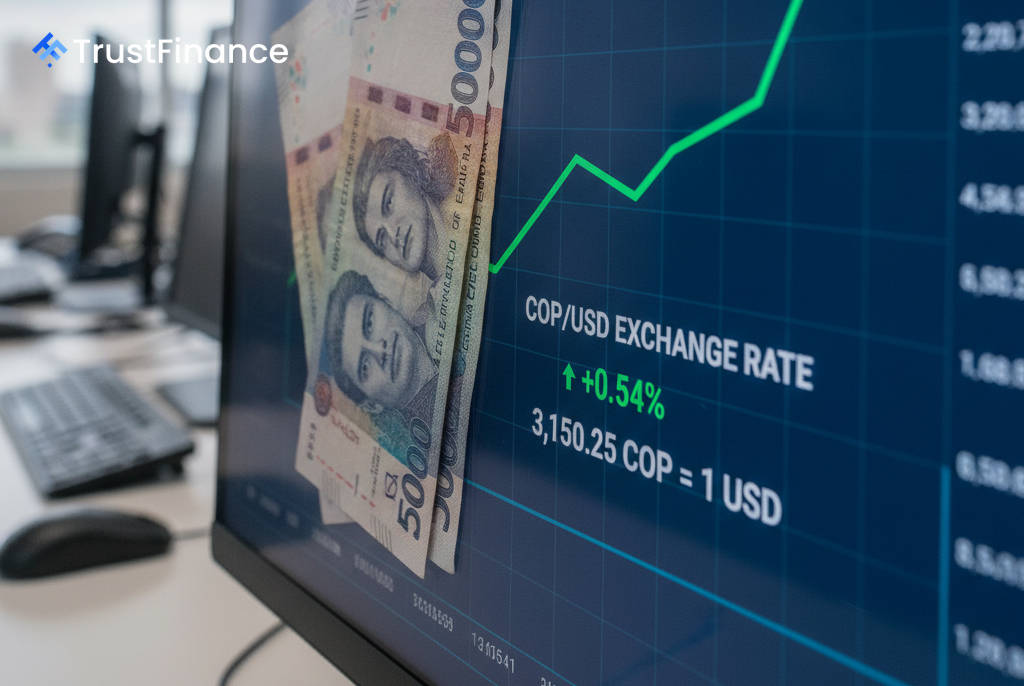
Colombian Peso Hits One-Month High on Hawkish Interest Rate Outlook
The Colombian peso appreciated to its highest level in over a month after a central bank official suggested interest rates may need to remain elevated, boosting the currency's appeal for yield-seeking investors.

Pound and Euro Weaken as AI Stock Volatility Tests Dollar's Haven Status
The British pound and euro declined Monday as turmoil in AI-related stocks led investors to scale back bets on Federal Reserve rate hikes, a dynamic that is questioning the U.S. dollar's traditional role as a safe haven.