
Story
Yen Bearishness Hits Four-Year High on Policy Concerns, BofA Survey Shows
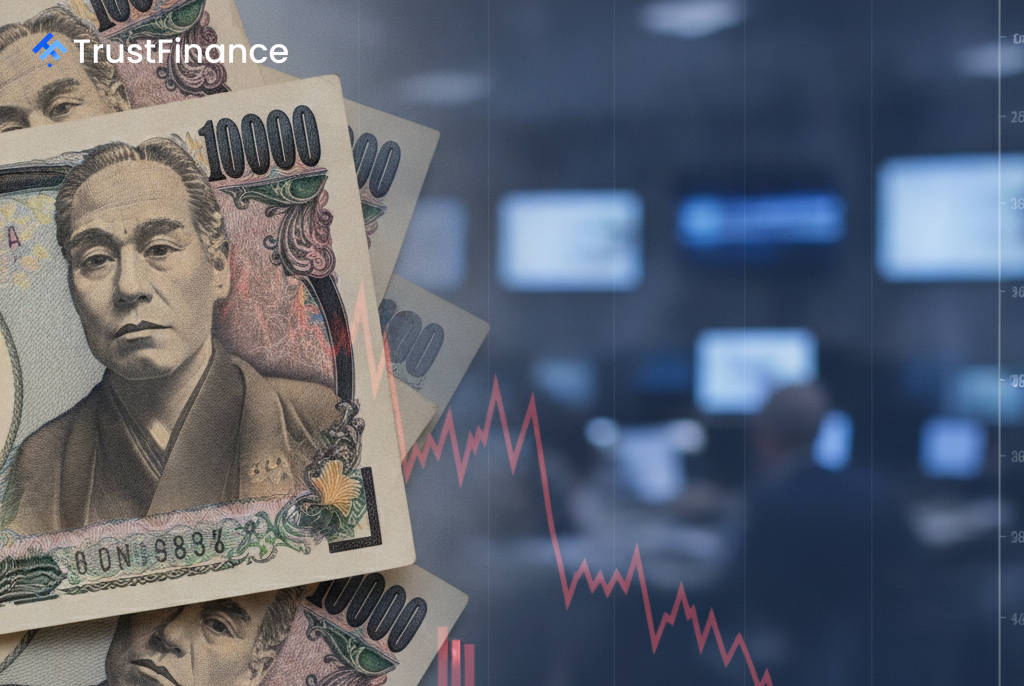
Investor sentiment toward the Japanese yen has plunged to its most bearish level in four years, according to a new survey from Bank of America Global Research. The report indicates that deepening concerns over Japan's monetary and fiscal policies are now outweighing the persistent threat of currency intervention from Tokyo.
Policy Fears Drive Negative Sentiment
BofA's July FX and Rates Sentiment Survey found that yen bearishness has reached its most extreme point since 2022. Respondents overwhelmingly cited risks related to the Bank of Japan (BoJ) and the nation's fiscal outlook as the primary driver for their negative view.
Factors such as interest-rate differentials and currency valuation were considered secondary, highlighting the market's focus on Japan's domestic policy direction. The findings come as the U.S. dollar trades against the yen near levels last seen in 1986, keeping traders on high alert for official action.
Speculators Ramp Up Short Bets
While the survey suggests general investor positioning has only recently turned "modestly bearish" due to intervention risk, speculative traders have taken a far more aggressive stance. Bank of America highlighted that data from the Commodity Futures Trading Commission (CFTC) shows leveraged funds are holding their largest net short yen positions since 2007.
 Ad
This divergence suggests that while many market participants remain cautious, a significant segment is betting heavily on further yen depreciation. BofA noted that the constant threat of intervention has likely prevented positioning from becoming even more bearish.
Central Bank Divergence in Focus
The bearish outlook is anchored in the wide policy gap between Japan and the United States. Although respondents view the BoJ as the major central bank most likely to deliver more rate hikes than markets currently expect, the pace of normalization is still seen as insufficient to materially strengthen the yen.
Recent comments from Japanese officials, including suggestions that the Government Pension Investment Fund could increase allocations to domestic bonds, indicate policymakers are feeling the pressure. Traders are now focused on the Bank of Japan's upcoming policy meeting on July 30-31, while expectations for the U.S. Federal Reserve to maintain elevated interest rates continue to support the dollar.