
Story
Supertanker Orders Surge to 25-Year High as US-Iran Conflict Reroutes Global Oil Trade

Summary
Shipowners have placed orders for a record number of oil supertankers this year, a spree valued at over $20 billion, as geopolitical conflict redraws global crude trade routes and boosts demand for long-haul shipping.
A conflict between the U.S. and Iran is driving a historic wave of investment in the oil tanker market, with shipowners ordering more than twice as many supertankers so far this year as in all of 2025. The buying spree, the largest in at least 25 years and worth over $20 billion, signals a major bet that long-haul crude shipments will dominate the market for years to come.
Geopolitical Shock Reshapes Oil Flows
The surge in orders is a direct consequence of the virtual closure of the Strait of Hormuz, a critical chokepoint that previously handled about one-fifth of global oil supplies. With access to Middle Eastern crude severely restricted, Asian and European refiners are increasingly sourcing oil from the Atlantic basin, leading to longer voyages and higher demand for vessel capacity.
- Data from shipping analytics platform Signal Group shows 217 Very Large Crude Carrier (VLCC) orders so far in 2026, compared to 93 last year.
- Allied Shipbroking recorded 164 VLCC orders, up from 83 in 2025.
- A single VLCC, which costs about $130 million to build, can carry approximately two million barrels of oil.
"We believe owners betting on increased long-haul shipments from the Atlantic to Asia are playing a large part in the renewed demand for VLCC ordering," said Rebecca Galanopoulos, a senior analyst at Veson Nautical.
Soaring Rates and Strained Capacity
 Ad
AdThe rerouting of trade has sent shipping costs to record highs. According to Allied Shipbroking, spot prices for VLCCs recently climbed above $500,000 per day, a dramatic increase from about $132,000 before the conflict began. The market is so tight that brokerage Pareto Securities estimates it is now more expensive to buy a 10-year-old tanker than to order a new one.
Capacity is also being strained by the need to shuttle oil out of the Gulf to be reloaded onto larger tankers in the Gulf of Oman, a practice that ties up vessels. This has prompted Middle Eastern producers like Saudi Arabia to secure their own fleets, a need made more urgent by damage to a key pipeline to the Red Sea, according to Lars Barstad, CEO of tanker group Frontline.
Long-Term Fleet Dynamics
Beyond the immediate crisis, the ordering boom is supported by underlying structural factors. After years of underinvestment, fleet renewal has become critical, with Veson Nautical noting that around 20% of the existing VLCC fleet is more than 20 years old. Shipowners are showing confidence in sustained demand, with recent contracts including delivery dates as far out as 2029 and 2030.
Analysts also point to future production growth from the Americas. Ioannis Papadimitriou of Vortexa forecasts that output from countries like Brazil, Guyana, and Argentina could grow by 2.5 million barrels per day by 2030, largely supplying Asian and European markets and reinforcing the trend toward longer-haul voyages on larger vessels.
Read next
More on Commodities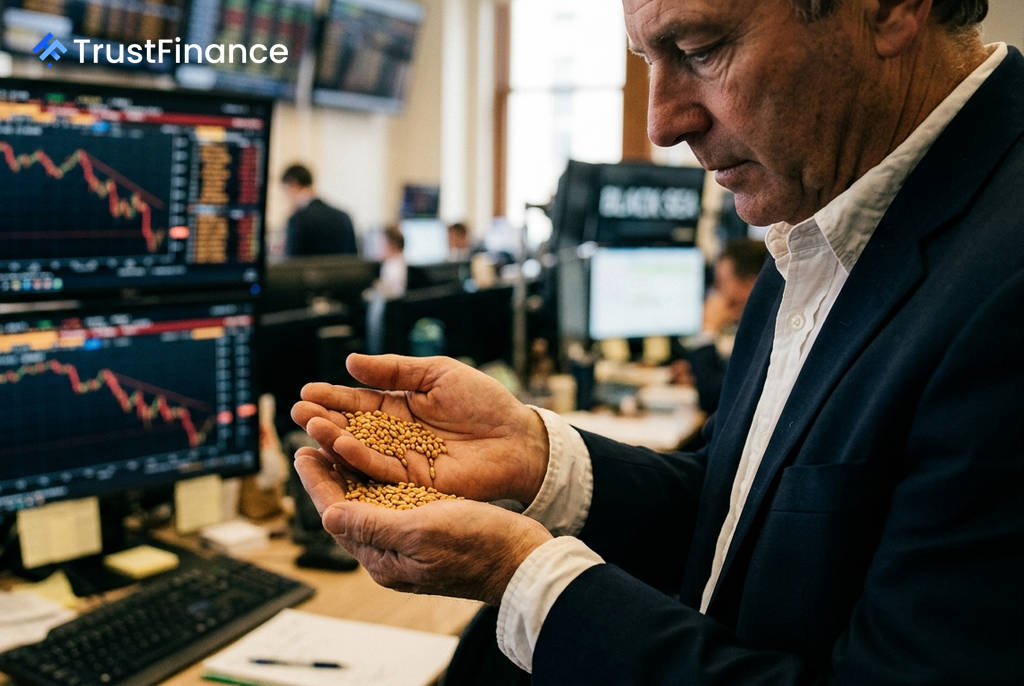
Wheat Futures Decline Amid Black Sea Diplomatic Hopes and Lack of Fresh Catalysts
Chicago wheat futures closed lower on Thursday as traders weighed reports of a potential shipping truce in the Black Sea, while U.S. export sales data offered no bullish surprises.

US to Grant Visas to Iranian President for UN General Assembly Amid Ongoing Conflict
The U.S. State Department will allow a delegation of top Iranian officials, including President Masoud Pezeshkian, to attend the UN General Assembly in New York, despite the ongoing military conflict between the two nations.

JPMorgan Abandons Oil Market Baseline Amid Extreme Geopolitical Uncertainty
JPMorgan Chase no longer holds a clear baseline view for oil markets, citing an inability to model the endgame of ongoing Middle East conflicts that have driven Brent crude above $100 per barrel.
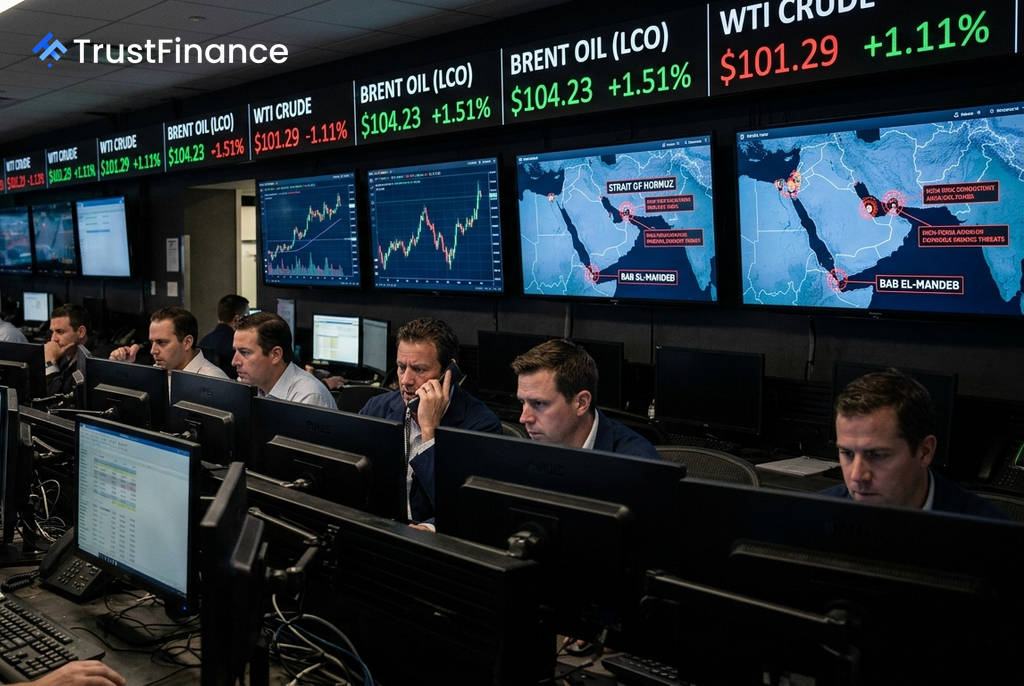
JP Morgan Withdraws Oil Market Forecast, Citing 'No Clear Endgame' in Iran Conflict
The investment bank has abandoned its baseline view on oil for the first time since the Middle East conflict began, stating it cannot model an outcome amid significant supply disruptions and demand destruction.