
Story
Stellantis, Ford Most at Risk as Chinese Automakers Target 19% of EU Market, Bernstein Says
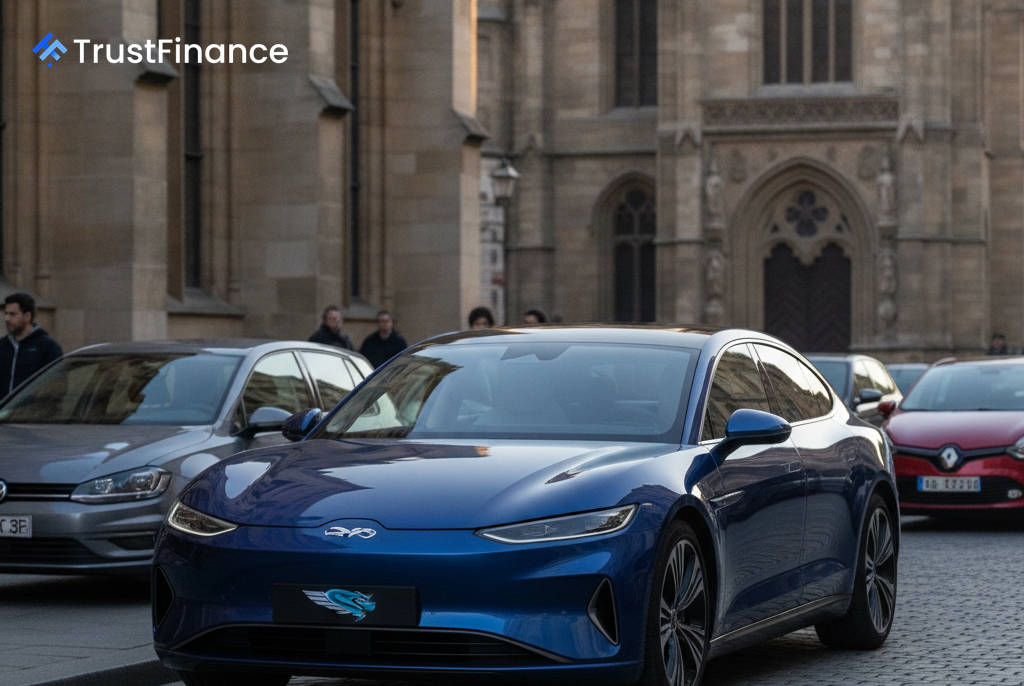
Chinese automakers are poised to capture nearly one-fifth of the European car market by 2035, posing what analysts at Bernstein call "the most existential question facing the European automotive sector." A new report identifies which legacy manufacturers are most vulnerable to the competitive surge and which are better positioned to defend their market share.
A Shifting Market Landscape
The market penetration of Chinese automakers in Europe has expanded at a furious pace, according to a note from Bernstein analyst Stephen Reitman. The firm's analysis highlights a significant shift in market dynamics:
- Domestic Chinese brands such as BYD and Chery have grown their collective market share from just 1% in 2024 to 6.8% in the first seven months of 2026.
- Chinese-owned European brands, including Volvo and MG, now account for an additional 5.1% of the market.
Bernstein forecasts that the total market share for all Chinese carmakers will climb from 12.3% in 2026 to 18.7% by 2035. Over the same period, European manufacturers are projected to see their collective share decline from 62% to 59%.
Identifying Winners and Losers
The report singles out Stellantis as one of the most at-risk legacy automakers, citing what Reitman described as "a bloated portfolio of poorly defined, overlapping brands." Ford and Volkswagen's SEAT brand were also named as particularly vulnerable to the new competition.
 Ad
In contrast, premium manufacturers are expected to be more insulated. Bernstein suggests that the strong brand loyalty commanded by marques like BMW, Mercedes, and Porsche should provide a significant defensive advantage against new market entrants.
Outlook and Defensive Strategies
The advance of Chinese brands is not expected to be entirely unchecked. The Bernstein note anticipates that European Union industrial policy, including potential tariffs and local content requirements, will likely slow the pace of growth and compel Chinese firms to localize their production facilities.
Reitman argues that ultimately, "product substance is the best defense." The report points to models like the Renault 5, a best-selling battery-electric vehicle in its segment, and Volkswagen's upcoming range of smaller electric vehicles as examples of strong product offerings that can help fend off competitors.
Despite the clear threat, the analysis also notes that major players like Volkswagen, BMW, Mercedes, and Renault have successfully maintained or even grown their European market share over the past decade, suggesting a greater resilience than investors often credit.
Read next
More on Stocks
FTC Orders Walmart, Uber, Delta to Disclose Data on Personalized Pricing
The U.S. Federal Trade Commission is demanding nine major companies, including leading retail, travel, and gig economy firms, to provide information on how they use consumer data for setting individual prices and wages.

Google Launches Gemini 4 Carbon AI Model to Bolster Cybersecurity Capabilities
Alphabet's Google has unveiled Gemini 4 Carbon, its latest AI model specifically designed for advanced cybersecurity tasks like vulnerability detection and secure code generation. The launch escalates competition with rivals OpenAI and Anthropic in the enterprise AI market.

Oracle Shares Surge After Unveiling $225 Billion Revenue Target for 2030
Oracle stock rose sharply after the company presented a long-term financial outlook targeting at least $225 billion in annual revenue by fiscal 2030, driven by its expanding AI infrastructure business.

DOJ Scrutinizes Nvidia's $12.9B Hugging Face Deal Amid Broader Antitrust Probe, Sources Say
The U.S. Department of Justice is reportedly examining Nvidia's planned $12.93 billion acquisition of AI platform Hugging Face as part of a wider, ongoing antitrust investigation into the chipmaker's market conduct.