
Story
French Bond Yields Hit 20-Year High on Fiscal Concerns, Spread Over German Bunds Widens

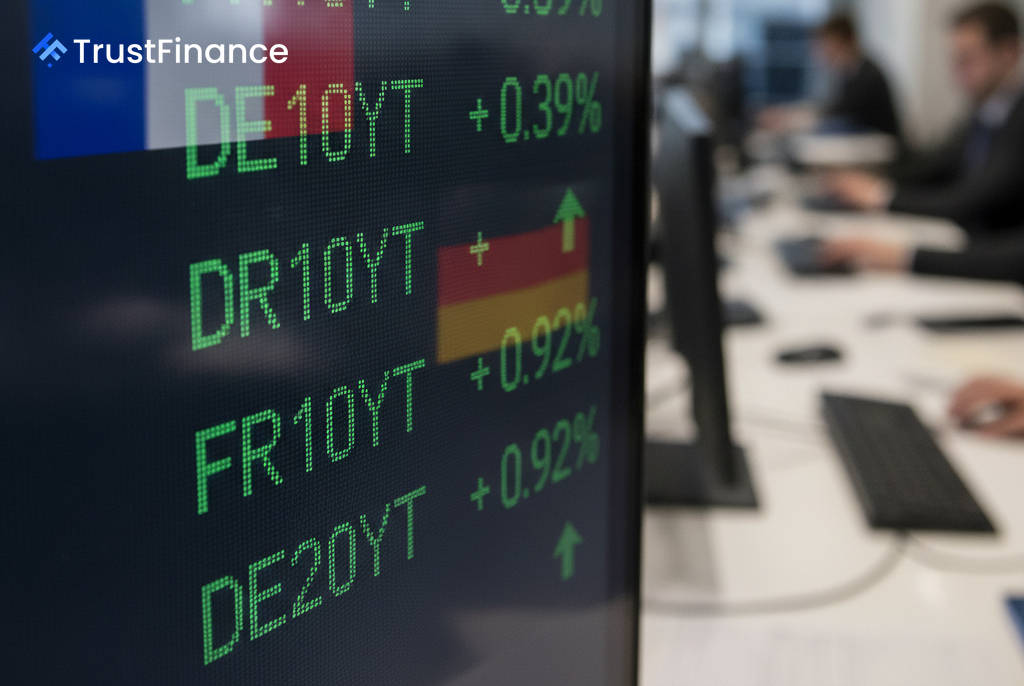
French government bond yields are climbing to their highest levels since 2002 amid mounting investor anxiety over the country's fiscal trajectory, creating a stark divergence with German debt, which is rallying on safe-haven demand.
French Debt Under Pressure
The yield on France's 10-year government bond (OAT) hovered near 4.96% on Friday and was on track for its fifth consecutive weekly rise. The sell-off follows the release of France's 2027 draft budget, which projects a deficit of 5.4% of GDP and has failed to reassure investors about the government's ability to control its spending.
The persistent selling pressure reflects growing concern in the market about the sustainability of France's public finances, leading investors to demand higher compensation for holding its debt.
Widening Spread and Flight to Safety
The growing risk premium has pushed the spread between French and German 10-year borrowing costs past 140 basis points, its widest level since the Eurozone sovereign debt crisis in 2012, according to Reuters. This widening gap indicates a classic flight-to-quality trade within the single-currency bloc.
In contrast, Germany's 10-year bond yield, the benchmark for the Eurozone, fell to 3.475%, marking a one-week low. The demand for German Bunds has put them on course for their first weekly yield decline in eight weeks as investors seek shelter from volatility in peripheral European markets.
 Ad
Macroeconomic Headwinds
This divergence comes after a challenging third quarter for Eurozone debt markets, which saw a broad sell-off that pushed yields to multi-year highs. The market has been grappling with a combination of factors, including persistent energy price shocks and a series of interest rate increases from the European Central Bank, forcing investors to price in a "higher-for-longer" monetary policy regime.
Key Data on the Horizon
Investors are now closely watching two key economic releases that could set the tone for markets heading into the weekend:
- Eurozone Flash CPI: Preliminary September inflation data for the Eurozone. Economists polled by Reuters expect headline inflation to accelerate to 3.6% from 3.2% in August.
- U.S. Non-Farm Payrolls: The September jobs report from the United States. A strong labor market print could reinforce the case for high global borrowing costs, while a softer reading may extend the bid for core European government bonds.
Read next
More on Forex
Polish Zloty Hits 11-Month Low Against Euro on Energy Price Pressure
The Polish zloty weakened to 4.410 against the euro, its lowest point since November 2023, as rising energy prices and caution ahead of a U.S. Federal Reserve decision weighed on the currency.

Sterling Slips as Dollar Strengthens Ahead of Fed Decision and UK Budget
The British pound lost ground against a resurgent U.S. dollar on Wednesday as market attention shifted from tech sector volatility to upcoming central bank decisions and the UK budget announcement.
Eurozone Bond Yields Climb as French Fiscal Concerns Return Ahead of Fed, ECB Decisions
Yields on French and German government bonds rose as relief from a ratings affirmation for France proved temporary, with investors refocusing on fiscal challenges and awaiting key policy verdicts from the U.S. Federal Reserve and the European Central Bank.

Canadian Dollar Slips as Markets Await Bank of Canada, Fed Decisions
The Canadian dollar edged lower against its U.S. counterpart, snapping a seven-day winning streak as investors adopted a cautious stance ahead of Wednesday's key interest rate announcements from both the Bank of Canada and the U.S. Federal Reserve.