
Story
El Niño Threatens Brazil's Coffee Crop with Up to 20% Loss, Industry Group Says
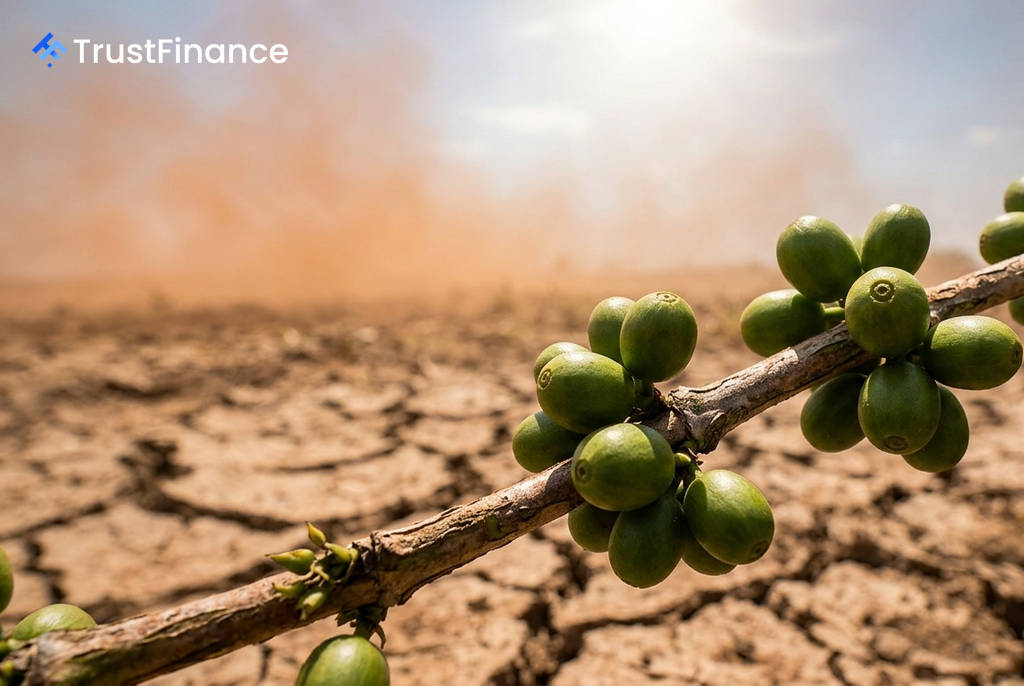
The El Niño weather phenomenon could slash Brazil's anticipated record coffee harvest by as much as one-fifth, according to a warning from the Brazilian Coffee Industry Association (Abic). This potential loss comes despite growers being better equipped to handle climate shocks than in previous years.
Harvest Forecast at Risk
State crop agency Conab had initially forecast a bumper harvest of 66.7 million 60-kilogram bags of arabica and canephora (robusta) beans for the current cycle. However, Abic's executive director, Celirio Inacio da Silva, stated that deteriorating weather conditions could significantly curtail this output.
"We are now talking about a crop loss of 15% to 20%, which in a normal year would be within expectations. But in the current scenario, that is very bad news," da Silva said in an interview. As a recent precedent, the 2023/24 El Niño event contributed to Brazil's 2024 coffee crop falling to 54.2 million bags from an initial government forecast of 58.8 million.
Regional Impacts and Grower Resilience
Specialists expect El Niño to disrupt the coffee crop's biological cycle, particularly during the critical flowering period in the second half of 2026. Excessive heat and erratic rainfall can lead to uneven flowering, which complicates harvesting and diminishes bean quality.
 Ad
Despite the headwinds, the industry has made significant strides in climate resilience. Investment in technology, especially the expansion of irrigation systems, has reduced dependence on rainfall. However, vulnerability varies by region and bean type.
- Arabica: Recent unusual rainfall exceeding 50 millimeters in southeastern arabica-growing regions has already delayed the harvest and caused a significant number of coffee cherries to fall, according to the Expocacer cooperative.
- Canephora: In Espirito Santo, the largest canephora-producing state, growers are concerned that prolonged dry spells and extreme heat could disrupt bean filling through January 2027. Heat poses a greater risk than lack of water, as the canephora plant's metabolism stops at 35°C (95°F), noted Luiz Carlos Bastianello, president of the Cooabriel cooperative.
- Robusta: Conditions are more favorable in northern states like Rondonia, where farmers expect a record harvest of 3 million bags. Juan Travain, president of the state coffee association Caferon, noted that nearly all robusta plantations in the region are irrigated, unlike many arabica farms, providing a crucial defense against heat and drought.
Market Implications
A significant reduction in Brazil's coffee output, the world's largest, could have a substantial impact on global coffee prices. Traders and investors will be closely monitoring weather patterns in Brazil's key coffee-growing regions in the coming months. Any confirmation of widespread crop damage could introduce significant volatility into arabica and robusta futures markets.