
Story
Yield Is Top Driver for Currency Markets in 2026, Deutsche Bank Says
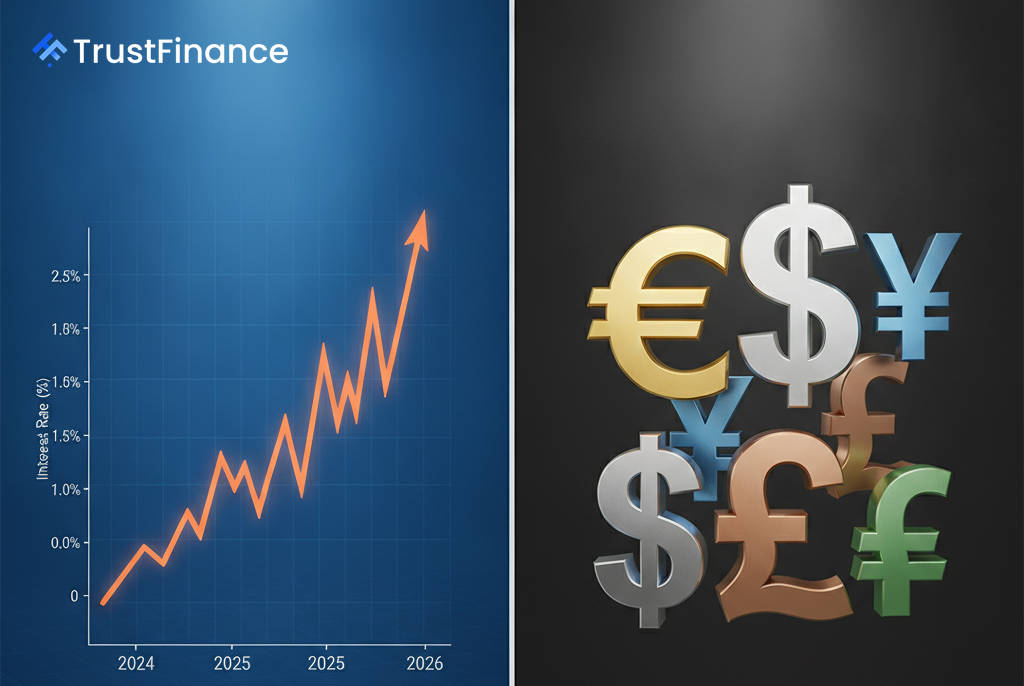
Yield differentials have become the primary driver of foreign exchange markets in 2026, making carry trades a resilient strategy in a stable global economy, according to a recent analysis from Deutsche Bank AG.
In a note published Friday, strategists led by George Saravelos, the bank's head of currency strategy, stated that risk-adjusted carry has been the most influential factor behind currency movements this year. This focus on yield has persisted despite major market events, including geopolitical tensions and significant shifts in technology stock valuations.
Outlook for Major Currencies
For the U.S. dollar, a hawkish repricing of Federal Reserve policy has been the main positive catalyst, Saravelos noted. However, the bank believes a much larger rally would require markets to price in an additional 75 to 100 basis points in rate hikes, which would re-establish the dollar's status as a high-yielding currency.
Deutsche Bank does not anticipate a significant further decline for the euro or a broad-based dollar rally. The analysis cited potential upside risks to European growth expectations that could provide support for the single currency.
 Ad
The Japanese yen remains under pressure from its low front-end yields relative to other major currencies. While government efforts to promote domestic investment could eventually strengthen the yen, Deutsche Bank said it prefers using the Swiss franc as a funding currency for carry trades.
The Role of Domestic Flows
To illustrate how policy can affect exchange rates, the bank highlighted Japan’s 2014 Government Pension Investment Fund reform as a historical example. That event showed how shifts in domestic investment flow expectations can generate significant currency movements, even if the policy's full implementation takes time.