
Story
Yen Bearishness Hits Most Extreme Level Since 2022, BofA Survey Shows
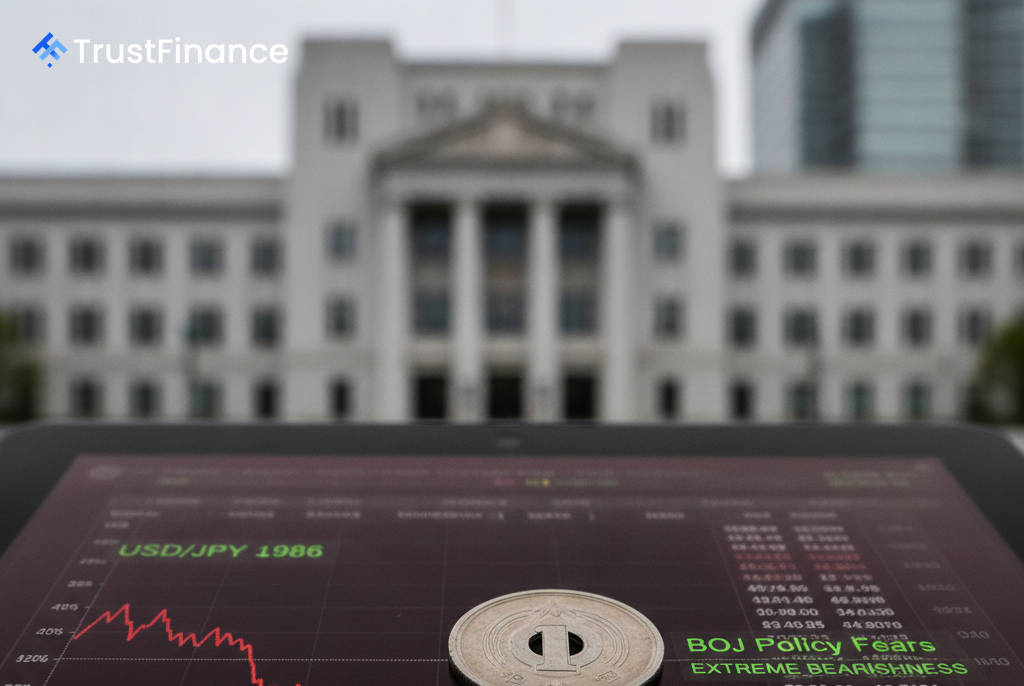
Investor pessimism toward the Japanese yen has intensified to its most extreme level since 2022, as deep-seated concerns over Japan's monetary and fiscal policies overshadow the persistent threat of currency intervention. The findings were detailed in Bank of America Global Research's latest FX and Rates Sentiment Survey for July.
Policy Fears Drive Negative Sentiment
According to BofA's survey, respondents overwhelmingly identified risks associated with the Bank of Japan (BoJ) and the nation's fiscal outlook as the primary reason for expecting further yen weakness. These policy concerns now outweigh other factors, such as the wide interest-rate differentials with other major economies or arguments based on valuation.
The report noted that while overall investor positioning has only recently turned "modestly bearish," this broader caution is largely attributed to the risk of intervention by Japanese authorities to support the currency. The dollar-yen exchange rate continues to trade near levels last seen in 1986, keeping markets on high alert for official action.
Speculative Shorts Hit 17-Year High
In a sharp contrast to the broader caution, speculative traders have adopted a much more aggressive stance against the yen. Citing data from the Commodity Futures Trading Commission (CFTC), BofA highlighted that leveraged funds are now holding their largest net short position on the yen since 2007.
 Ad
This record short-selling underscores a strong market conviction that the yen will continue to depreciate, despite repeated warnings from Japanese officials. The survey suggests the ever-present threat of intervention is likely the main factor preventing overall market positioning from becoming even more bearish.
Market Eyes BoJ's Next Move
While BofA's survey found that investors now view the BoJ as the major central bank most likely to deliver more rate hikes than markets currently expect, the pace of this policy normalization is still seen as too slow to provide significant support for the currency.
Policymakers appear increasingly sensitive to the market pressure, with recent comments from officials suggesting a focus on encouraging domestic investment. All eyes are now on the Bank of Japan's upcoming policy meeting on July 30-31, where it will update its quarterly economic and inflation forecasts.