
Story
Walmart Stock Downgraded by Oppenheimer on Near-Term Headwinds
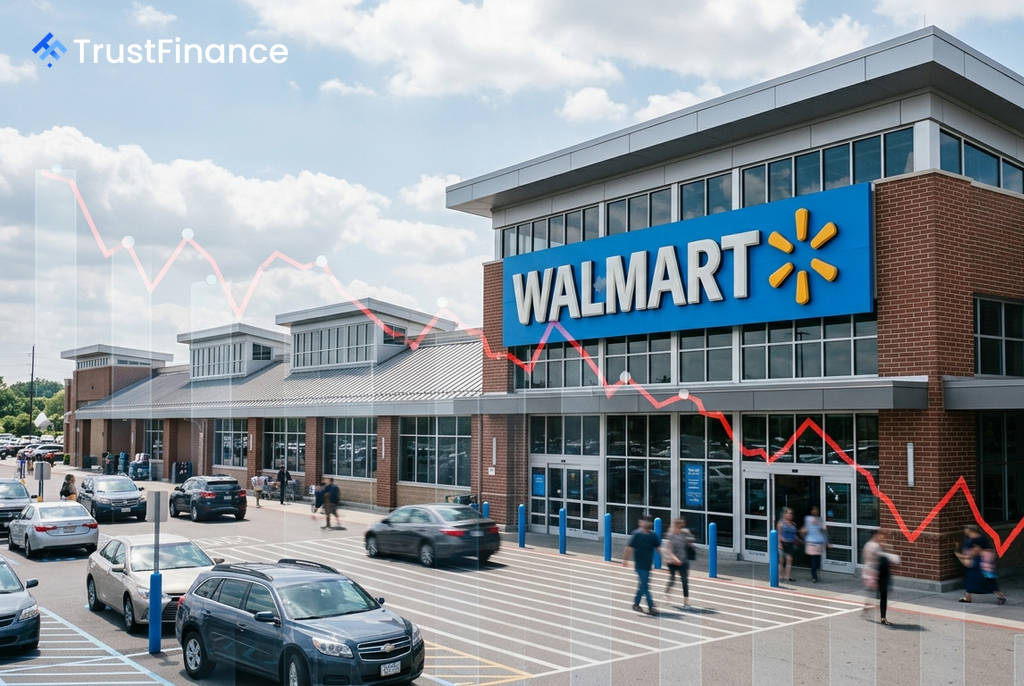
Oppenheimer downgraded shares of Walmart Inc. (WMT) to Perform from a previous Outperform rating, citing a challenging short-term outlook for the retail giant. The firm also removed its $140 price target on the stock, which fell 1.4% in premarket trading following the analyst note released Monday.
Rationale for the Downgrade
Analysts at Oppenheimer, led by Rupesh Parikh, outlined three primary factors for the less compelling near-term case ahead of Walmart's August 20 earnings release. The firm is concerned about potential pharmacy-related headwinds to U.S. comparable sales stemming from the Inflation Reduction Act.
Oppenheimer also pointed to a valuation it described as "peakish," which could make the stock vulnerable to a lower re-rating if sales growth slows. Finally, the analysts noted that current Wall Street forecasts already sit above the company's own longer-term guidance, creating a high bar for performance.
Market Context and Expectations
Reflecting these concerns, Oppenheimer now models a 3% comparable sales increase for Walmart U.S. in the second quarter, below the consensus Street estimate of 3.8%. The firm expects continued strength in the grocery segment to be offset by moderating growth in general merchandise and health and wellness categories.
 Ad
Walmart's stock is down 1% year-to-date, significantly underperforming the S&P 500's 11% gain. This marks a sharp reversal from 2024 and 2025, when the stock heavily outperformed the index. According to Oppenheimer, Walmart currently trades at approximately 36 times next-twelve-months earnings estimates, well above its historical average of near 23 times.
Long-Term Outlook Remains Favorable
Despite the downgrade, Oppenheimer stressed that its intermediate-term earnings forecasts are unchanged and that it remains "very upbeat" on Walmart’s longer-term prospects. The firm does not expect the anticipated slowdown in pharmacy growth to impact the company's overall profitability.
Oppenheimer's long-term confidence is based on several factors, including:
- Continued market share gains
- Growth in alternative revenue streams like advertising and memberships
- Improving e-commerce profitability
- Benefits from investments in artificial intelligence
Read next
More on Stocks
FTC Orders Walmart, Uber, Delta to Disclose Data on Personalized Pricing
The U.S. Federal Trade Commission is demanding nine major companies, including leading retail, travel, and gig economy firms, to provide information on how they use consumer data for setting individual prices and wages.

Google Launches Gemini 4 Carbon AI Model to Bolster Cybersecurity Capabilities
Alphabet's Google has unveiled Gemini 4 Carbon, its latest AI model specifically designed for advanced cybersecurity tasks like vulnerability detection and secure code generation. The launch escalates competition with rivals OpenAI and Anthropic in the enterprise AI market.

Oracle Shares Surge After Unveiling $225 Billion Revenue Target for 2030
Oracle stock rose sharply after the company presented a long-term financial outlook targeting at least $225 billion in annual revenue by fiscal 2030, driven by its expanding AI infrastructure business.

DOJ Scrutinizes Nvidia's $12.9B Hugging Face Deal Amid Broader Antitrust Probe, Sources Say
The U.S. Department of Justice is reportedly examining Nvidia's planned $12.93 billion acquisition of AI platform Hugging Face as part of a wider, ongoing antitrust investigation into the chipmaker's market conduct.