
Story
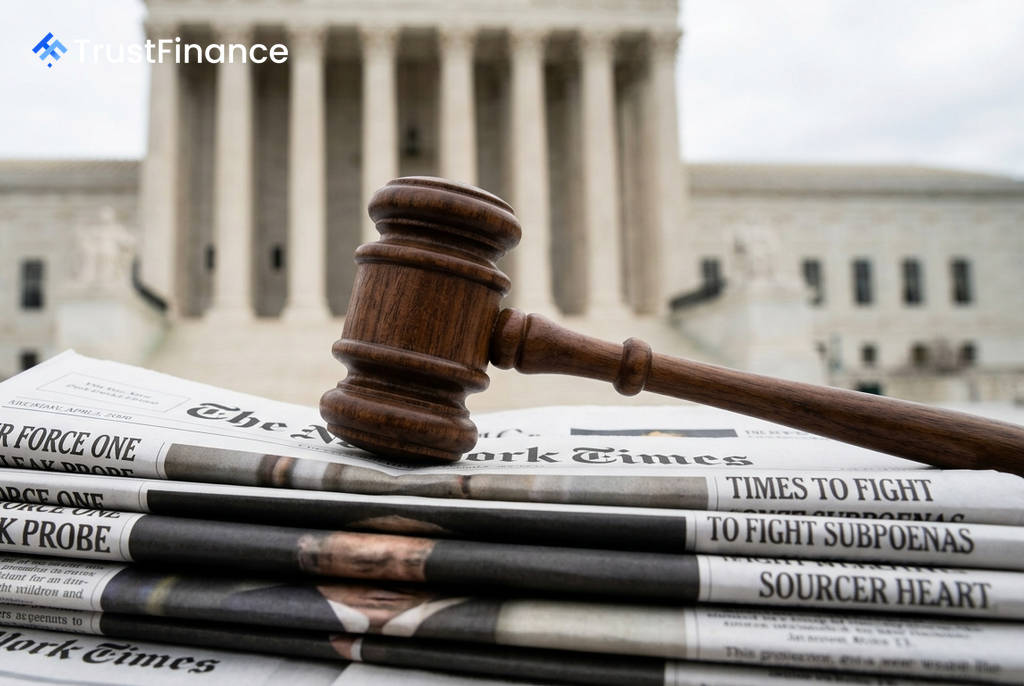
New York Times to Fight Federal Subpoenas in Air Force One Leak Probe
Summary
Federal prosecutors have subpoenaed five New York Times reporters to testify in a grand jury investigation into leaks about security issues with the new Air Force One. The newspaper has pledged to challenge the move, citing First Amendment protections.
Federal prosecutors have subpoenaed five reporters from The New York Times (NYSE: NYT) to testify before a grand jury, escalating a leak investigation related to their reporting on security concerns with the new Air Force One. The newspaper has stated it will challenge the subpoenas, setting the stage for a significant legal confrontation over press freedom and the protection of journalistic sources.
The Subpoenas and Investigation
The subpoenas, issued Friday by the office of Manhattan U.S. Attorney Jay Clayton, order the journalists to appear on Wednesday, according to the Times. The action follows the newspaper's reporting on security shortcomings in a new presidential aircraft, a Boeing 747 that was donated by Qatar and refitted by defense contractor L3Harris Technologies.
In an internal email reviewed by Reuters, Times Executive Editor Joe Kahn confirmed the subpoenas were tied to this coverage. While the newspaper's top lawyer described the move as an attempt to intimidate journalists, the Department of Justice stated it is targeting leakers of classified information, not the media.
The Legal Landscape
Under U.S. law, journalists have limited protection against federal subpoenas. The Supreme Court has held that the First Amendment does not provide reporters an absolute right to refuse to testify in criminal cases unless a subpoena is issued in bad faith or for harassment.
 Ad
AdKey aspects of the legal framework include:
- Federal courts recognize a qualified privilege, weighing the government's need for information against press freedom. This protection is weakest in criminal grand jury investigations.
- There is no federal shield law to protect journalists' sources, unlike laws that exist in many states.
- Department of Justice policy requires high-level approval for such subpoenas and mandates that prosecutors first attempt to negotiate with news organizations, though these internal rules are not enforceable in court.
Potential Outcomes
The New York Times has announced it will fight the subpoenas, likely by asking a judge to quash them. The newspaper could argue that the subpoenas are overly broad, violate First Amendment protections, or that prosecutors failed to follow the DOJ's own internal guidelines. In past cases involving reporters from The Washington Post and The Wall Street Journal, the government has withdrawn subpoenas after they were challenged.
If the reporters are granted immunity but still refuse to testify, they would lose their Fifth Amendment right against self-incrimination. A continued refusal could lead a judge to hold them in contempt of court, which could result in fines or jail time until they comply.
Read next
More on Stocks
Anthropic Pushes IPO Target to November Amid AI Safety Scrutiny
AI startup Anthropic is delaying its highly anticipated initial public offering to November, aiming to include third-quarter financials as the industry grapples with calls for a more cautious development pace.

Accenture Shares Jump on $1 Billion AI Safety Partnership with Anthropic
Accenture announced a major strategic partnership with AI lab Anthropic to advance AI model safety, sending its shares up over 7% in after-hours trading and overshadowing a midday stock downgrade.

Stifel Names Ondas Holdings Top Pick in Unmanned Systems Sector
Stifel analyst Jonathan Siegmann has designated Ondas Holdings (NASDAQ:ONDS) a top pick, citing its strategic acquisition of GATE Technologies and its key role in the expanding precision strike and drone markets.

Dollar Surges on Hawkish Fed Signals, Posts Best Weekly Gain in Three Months
The U.S. dollar recorded its strongest weekly performance in over three months as Federal Reserve indications of future rate hikes bolstered the currency. Analysts see continued support from a robust U.S. economy, though the potential for further gains is debated.