
Story
Micron's Taiwan Union Threatens Strike Vote Over Profit-Sharing Demands
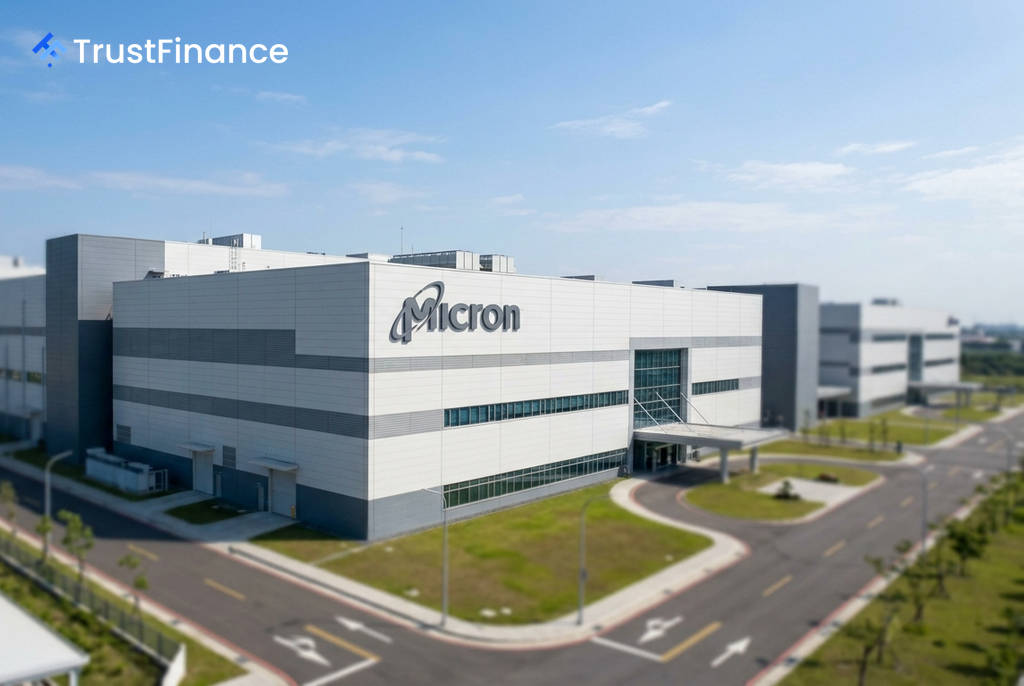
A union representing workers at Micron Technology's (NASDAQ: MU) facilities in Taiwan has warned it may proceed with a strike vote unless the U.S. chipmaker agrees to a permanent profit-sharing system. The escalating labor dispute at Micron's largest manufacturing hub could pose a risk to the global supply of memory chips essential for artificial intelligence infrastructure.
Union Demands and Strike Threat
The union is demanding a long-term, verifiable profit-sharing mechanism, citing similar programs at South Korean competitors Samsung Electronics and SK Hynix. Specifically, the union has called for 15% of Micron’s operating profit to be allocated to its global employees.
Jerry Lin, chairman of a union at Micron's Taoyuan operations, stated that if the company fails to present a "concrete proposal" in mediation sessions scheduled for September 18 and 21, the union will "declare the negotiations have broken down and move towards a strike vote," according to Reuters. The unions in Taoyuan and Taichung collectively represent more than 80% of Micron's roughly 15,000 employees in Taiwan.
Company Response
Micron recently announced fiscal 2026 rewards for its global workforce, including a T$1 million (approximately $31,498) cash bonus for eligible employees in Taiwan. The union criticized this one-time reward, stating it does not satisfy its demand for a permanent system and was announced inappropriately during ongoing labor mediation.
 Ad
In an emailed statement to Reuters, Micron did not directly address the strike threat but affirmed its commitment to the negotiation process. "We will continue listening to our team members’ perspectives and remain committed to engaging in the mediation process in good faith," the company said.
Market Implications
Taiwan is a critical production center for Micron’s DRAM and high-bandwidth memory (HBM) chips, which are key components for AI servers. While production has not yet been affected, any labor action or strike could exacerbate supply constraints in an already tight memory chip market fueled by the AI boom.
The dispute highlights the growing pressure on semiconductor companies to share the significant profits generated from the surge in demand for AI-related hardware with their workforce.
Read next
More on Stocks
FTC Orders Walmart, Uber, Delta to Disclose Data on Personalized Pricing
The U.S. Federal Trade Commission is demanding nine major companies, including leading retail, travel, and gig economy firms, to provide information on how they use consumer data for setting individual prices and wages.

Google Launches Gemini 4 Carbon AI Model to Bolster Cybersecurity Capabilities
Alphabet's Google has unveiled Gemini 4 Carbon, its latest AI model specifically designed for advanced cybersecurity tasks like vulnerability detection and secure code generation. The launch escalates competition with rivals OpenAI and Anthropic in the enterprise AI market.

Oracle Shares Surge After Unveiling $225 Billion Revenue Target for 2030
Oracle stock rose sharply after the company presented a long-term financial outlook targeting at least $225 billion in annual revenue by fiscal 2030, driven by its expanding AI infrastructure business.

DOJ Scrutinizes Nvidia's $12.9B Hugging Face Deal Amid Broader Antitrust Probe, Sources Say
The U.S. Department of Justice is reportedly examining Nvidia's planned $12.93 billion acquisition of AI platform Hugging Face as part of a wider, ongoing antitrust investigation into the chipmaker's market conduct.