
Story
Goldman Sachs Warns 'Super El Niño' Threatens Global Sugar Supply
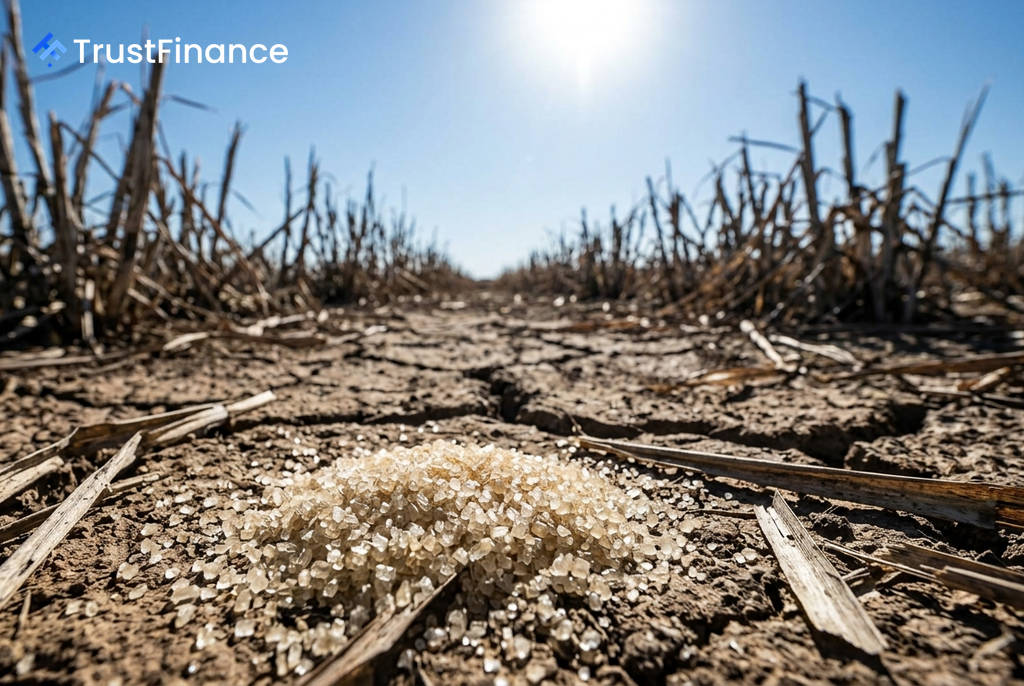
A "Super El Niño" weather pattern could significantly tighten the global sugar market, with the most severe impacts expected in key producing regions, according to a new analysis from Goldman Sachs.
The investment bank noted that approximately 70% of the world's sugar exports originate from Brazil, India, and Thailand—three countries highly vulnerable to the drought and flood conditions associated with El Niño.
Four Key Risks to Production
Goldman Sachs identified four primary channels through which El Niño could constrict the exportable supply of sugar. These factors create a complex outlook for the commodity, with risks extending beyond simple crop failure.
- Drought: Dry conditions during the growing season can directly reduce sugarcane yields per hectare.
- Floods: Excessive rainfall during harvest periods can hamper logistics and lower the sugar content of the cane, reducing final output.
- Ethanol Diversion: A weaker corn crop, also a potential result of El Niño, could force producers to divert more sugarcane toward ethanol production, as both serve as key feedstocks. This would leave less sugar for global markets.
- Export Restrictions: The bank views precautionary export restrictions by governments as a larger risk to global supply than the potential crop losses themselves.
 Ad
Timeline and Critical Watch Periods
The El Niño weather pattern is forecast to last from June 2026 through May 2027. Goldman Sachs has outlined several critical periods for investors to monitor for signs of market disruption.
Through October 2026, analysts will watch for continued drought in India and Thailand, which could impact harvests later in the year. In a sign of existing pressure, India has already banned sugar exports through September 2026. The country, which typically accounts for 6% of global exports, could potentially shift to a net importer.
From October 2026 to April 2027, the focus will shift to Brazil's 2027 sugarcane growing season and the potential for drought to reduce future volumes. Concurrently, from January to April 2027, the status of Brazil’s corn crop will be a key indicator, as a poor harvest could increase demand for sugar-based ethanol.
Read next
More on Stocks
FTC Orders Walmart, Uber, Delta to Disclose Data on Personalized Pricing
The U.S. Federal Trade Commission is demanding nine major companies, including leading retail, travel, and gig economy firms, to provide information on how they use consumer data for setting individual prices and wages.

Google Launches Gemini 4 Carbon AI Model to Bolster Cybersecurity Capabilities
Alphabet's Google has unveiled Gemini 4 Carbon, its latest AI model specifically designed for advanced cybersecurity tasks like vulnerability detection and secure code generation. The launch escalates competition with rivals OpenAI and Anthropic in the enterprise AI market.

Oracle Shares Surge After Unveiling $225 Billion Revenue Target for 2030
Oracle stock rose sharply after the company presented a long-term financial outlook targeting at least $225 billion in annual revenue by fiscal 2030, driven by its expanding AI infrastructure business.

DOJ Scrutinizes Nvidia's $12.9B Hugging Face Deal Amid Broader Antitrust Probe, Sources Say
The U.S. Department of Justice is reportedly examining Nvidia's planned $12.93 billion acquisition of AI platform Hugging Face as part of a wider, ongoing antitrust investigation into the chipmaker's market conduct.