
Story
GLP-1 Drug Users Drive Return to In-Store Apparel Shopping
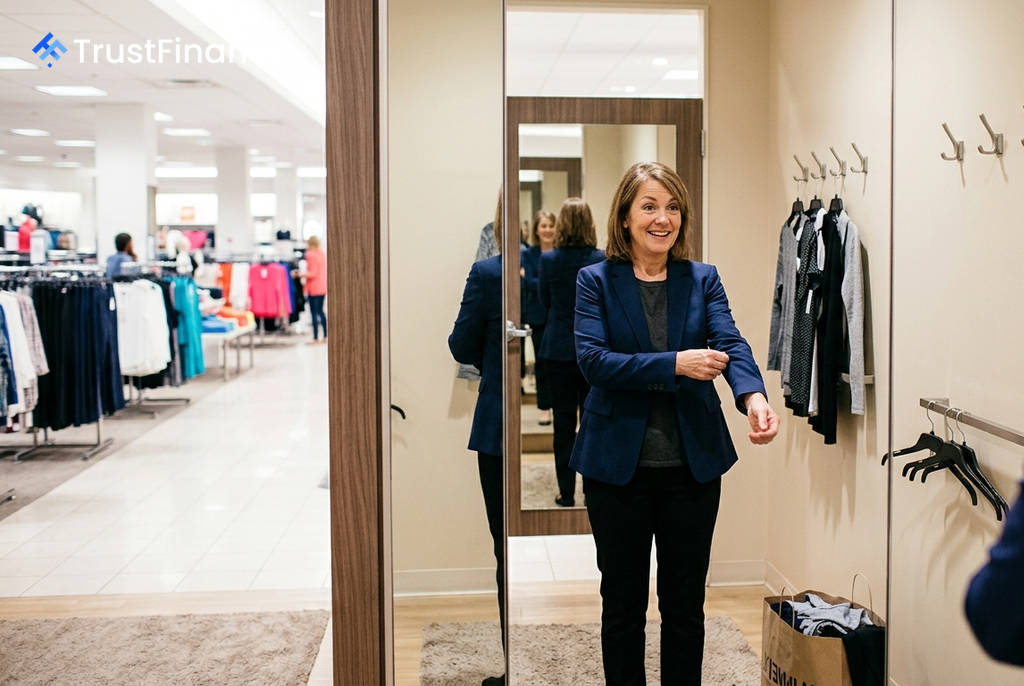
The growing adoption of GLP-1 weight-loss drugs is fueling an unexpected resurgence in brick-and-mortar apparel shopping, as consumers with changing body sizes seek out physical stores to find new wardrobes. This shift is compelling retailers to re-evaluate their in-store strategies, from inventory and fitting rooms to customer service.
A New Incentive for In-Store Visits
With an estimated 11% of Americans now using GLP-1 medications, according to a Gallup poll, a significant consumer segment is navigating substantial weight loss. For many, this makes trying on clothes in person a necessity. A survey of 500 people by retail solutions firm ReturnPro found that more than two-thirds of consumers using these drugs say sizing changes have made them more likely to shop in-store.
This trend has the potential to "at least slow the flight to purely online" shopping for apparel, said Don Johnson, a consumer strategist at EY-Parthenon, in comments to Reuters. Shoppers who spoke with Reuters confirmed the need for in-person experiences to determine what styles and sizes fit their new bodies after decades without significant size changes.
Retailers Re-evaluating Strategy
In response, retailers are beginning to adapt. Ali Furman, PwC’s consumer markets industry leader, told Reuters that department stores, discount chains, and boutiques are evaluating everything from the sizes they stock to their dressing room setups and styling services, with changes likely to be implemented within the next year.
 Ad
Some early indicators may already reflect this shift in foot traffic. Discount retailer Ross Stores, for instance, reported a 17% increase in first-quarter comparable-store sales, which its CEO attributed to more visitors and an improved in-store experience, though the company did not specifically cite GLP-1 drugs. Meanwhile, David’s Bridal CEO Kelly Cook noted that over the last six months, shoppers have been trying on twice as many dresses on average.
Demand for Personalized Service and Investment
As consumers return to stores, their expectations for service are high. Retailers are exploring new ways to assist customers who are unsure of their new size, including enhanced personal styling and technology. Victoria's Secret, for example, has incorporated AI into some fitting rooms to help shoppers request different items, according to the report.
Once their weight stabilizes, many GLP-1 users are more willing to invest in higher-priced clothing. The ReturnPro survey highlighted that 91% of premium spenders on these medications are more likely to shop in-store, compared to 69% of all users surveyed. This suggests a long-term opportunity for retailers that can successfully cater to this emerging customer base.
Read next
More on Stocks
FTC Orders Walmart, Uber, Delta to Disclose Data on Personalized Pricing
The U.S. Federal Trade Commission is demanding nine major companies, including leading retail, travel, and gig economy firms, to provide information on how they use consumer data for setting individual prices and wages.

Google Launches Gemini 4 Carbon AI Model to Bolster Cybersecurity Capabilities
Alphabet's Google has unveiled Gemini 4 Carbon, its latest AI model specifically designed for advanced cybersecurity tasks like vulnerability detection and secure code generation. The launch escalates competition with rivals OpenAI and Anthropic in the enterprise AI market.

Oracle Shares Surge After Unveiling $225 Billion Revenue Target for 2030
Oracle stock rose sharply after the company presented a long-term financial outlook targeting at least $225 billion in annual revenue by fiscal 2030, driven by its expanding AI infrastructure business.

DOJ Scrutinizes Nvidia's $12.9B Hugging Face Deal Amid Broader Antitrust Probe, Sources Say
The U.S. Department of Justice is reportedly examining Nvidia's planned $12.93 billion acquisition of AI platform Hugging Face as part of a wider, ongoing antitrust investigation into the chipmaker's market conduct.