
Story
Global Bond Yields Retreat on US Treasury Plan and Easing Iran Tensions
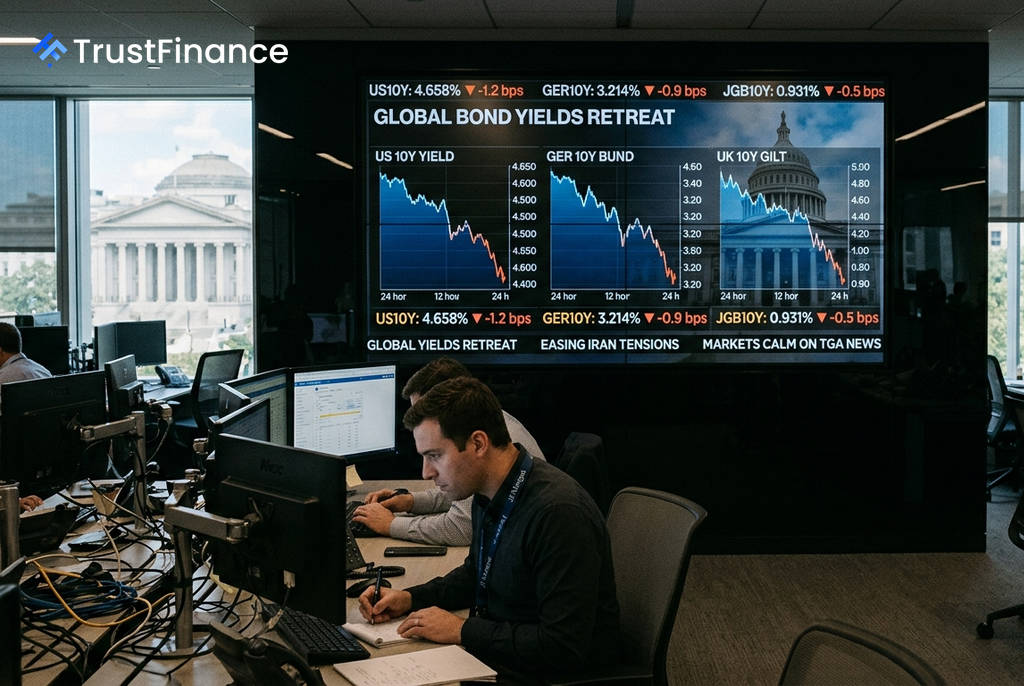
Global sovereign bond markets rallied on Tuesday, with U.S. Treasuries leading a broad decline in borrowing costs. The move provided a reprieve for fixed-income investors after weeks of volatility, spurred by technical signals from Washington and a de-escalation of geopolitical supply risks.
Yields Pull Back from Highs
U.S. Treasury yields fell across the curve, reversing a sharp recent climb. The decline in U.S. rates provided an immediate lift to European government bonds, where borrowing costs also moved lower.
Key U.S. Treasury yield movements include:
- The policy-sensitive 2-year Treasury note yield slipped to 4.215%.
- The benchmark 10-year Treasury note yield fell to 4.660%, retreating from a multi-month high near 4.75%.
- The 30-year Treasury bond yield dropped significantly to 5.197%, falling back below the key 5.20% level after touching a near 19-year high above 5.33% earlier in the month.
In Europe, Germany’s benchmark 10-year Bund yield decreased to 3.217%, while France’s 10-year OAT yield edged down to 4.117%.
Catalysts for the Rally
 Ad
Two primary factors appeared to drive the improved sentiment in fixed-income markets. First, reports suggested the U.S. Treasury may use its cash balance, the Treasury General Account (TGA), to fund an expanded bond buyback program. By using its existing ~$940 billion cash hoard instead of issuing more short-term bills, the Treasury could reduce the net supply of debt that primary dealers must absorb, easing pressure on the market.
Second, widely anticipated U.S. sanctions on Iran proved to be less severe than some investors had feared. The formal announcement largely reiterated existing positions without imposing an immediate, unexpected blockade on Middle Eastern energy supplies. This news caused Brent crude oil futures to pare gains, trading around $91.50 per barrel, and tempered concerns about a new energy-driven inflation shock.
Looking Ahead: Nvidia and Jackson Hole
With yield-driven anxiety subsiding, market focus is shifting to key corporate and central bank events later in the week. Investors are closely watching the upcoming second-quarter earnings report from Nvidia Corp (NVDA) on Wednesday. The chipmaker's results are seen as a bellwether for AI-related capital spending, which has fueled significant corporate bond issuance.
Bond traders are also positioning for the annual Jackson Hole economic symposium, where they will parse speeches from Federal Reserve officials for signals on monetary policy. Markets are seeking clarity on whether the central bank will tolerate persistently high long-term borrowing costs or signal a policy adjustment in the fall.
Read next
More on Forex
Polish Zloty Hits 11-Month Low Against Euro on Energy Price Pressure
The Polish zloty weakened to 4.410 against the euro, its lowest point since November 2023, as rising energy prices and caution ahead of a U.S. Federal Reserve decision weighed on the currency.

Sterling Slips as Dollar Strengthens Ahead of Fed Decision and UK Budget
The British pound lost ground against a resurgent U.S. dollar on Wednesday as market attention shifted from tech sector volatility to upcoming central bank decisions and the UK budget announcement.
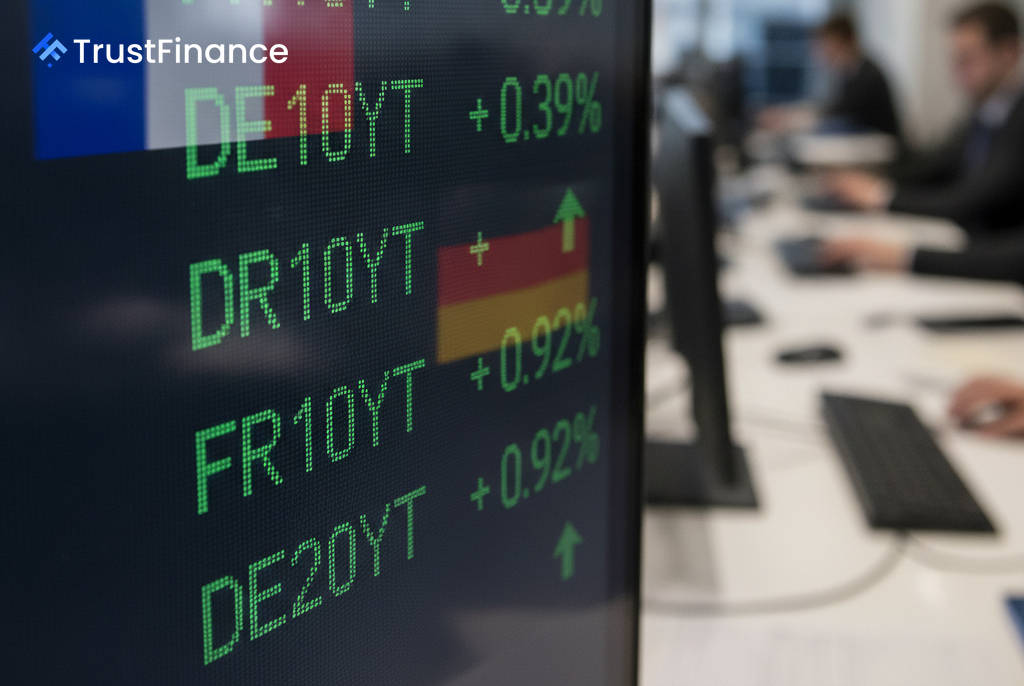
Eurozone Bond Yields Climb as French Fiscal Concerns Return Ahead of Fed, ECB Decisions
Yields on French and German government bonds rose as relief from a ratings affirmation for France proved temporary, with investors refocusing on fiscal challenges and awaiting key policy verdicts from the U.S. Federal Reserve and the European Central Bank.

Canadian Dollar Slips as Markets Await Bank of Canada, Fed Decisions
The Canadian dollar edged lower against its U.S. counterpart, snapping a seven-day winning streak as investors adopted a cautious stance ahead of Wednesday's key interest rate announcements from both the Bank of Canada and the U.S. Federal Reserve.