
Story
FAA Safety Official to Depart Following Scrutiny Over Fatal 2025 Air Collision
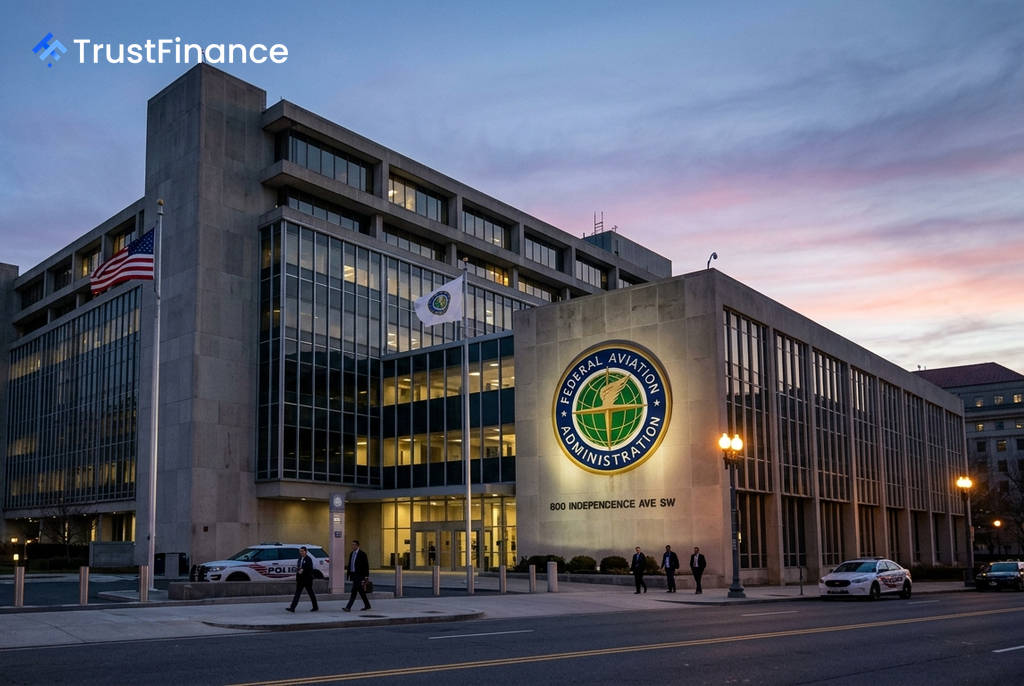
A senior Federal Aviation Administration official who managed the agency's response to a fatal 2025 mid-air collision near Washington, D.C. is stepping down. The departure of Deputy Administrator Chris Rocheleau follows a critical National Transportation Safety Board investigation that blamed FAA procedures for the crash that killed 67 people.
Key Official Steps Down
Chris Rocheleau announced he is leaving the agency next week for a new opportunity, according to an internal email seen by Reuters. Rocheleau was the acting FAA administrator at the time of the January 2025 collision between an Army helicopter and an American Airlines regional jet, and has since overseen safety issues as deputy administrator.
The FAA’s general counsel, Liam McKenna, will serve as acting deputy administrator, according to the agency. The leadership transition comes as the FAA navigates intense scrutiny over its air traffic control and safety protocols.
NTSB Faults Agency in Fatal Crash
The National Transportation Safety Board (NTSB) determined the 2025 collision was caused by the FAA’s decision to allow helicopters to fly near Reagan Washington National Airport without sufficient safeguards. The NTSB also faulted the agency for failing to act on data and recommendations to alter helicopter traffic routes.
 Ad
A troubling NTSB report last year revealed that since 2021, there were more than 15,200 occurrences of commercial airplanes and helicopters operating with dangerously close separation near the airport. In congressional testimony, Rocheleau acknowledged the oversight, stating, "Clearly something was missed."
FAA Implements Sweeping Reforms
In response to the incident and a subsequent close call in May 2025, the FAA has initiated significant operational and structural changes that directly impact the aviation industry. For investors and operators, these reforms signal a period of heightened regulatory focus and potential changes to operational procedures.
Key measures implemented by the agency include:
- Revising helicopter routes at several airports.
- Suspending the use of visual separation between airplanes and helicopters near major airports.
- Creating a new, consolidated safety oversight office as part of a broad agency restructuring.
- Implementing an FAA-wide safety risk management process to prevent future incidents.
Read next
More on Stocks
FTC Orders Walmart, Uber, Delta to Disclose Data on Personalized Pricing
The U.S. Federal Trade Commission is demanding nine major companies, including leading retail, travel, and gig economy firms, to provide information on how they use consumer data for setting individual prices and wages.

Google Launches Gemini 4 Carbon AI Model to Bolster Cybersecurity Capabilities
Alphabet's Google has unveiled Gemini 4 Carbon, its latest AI model specifically designed for advanced cybersecurity tasks like vulnerability detection and secure code generation. The launch escalates competition with rivals OpenAI and Anthropic in the enterprise AI market.

Oracle Shares Surge After Unveiling $225 Billion Revenue Target for 2030
Oracle stock rose sharply after the company presented a long-term financial outlook targeting at least $225 billion in annual revenue by fiscal 2030, driven by its expanding AI infrastructure business.

DOJ Scrutinizes Nvidia's $12.9B Hugging Face Deal Amid Broader Antitrust Probe, Sources Say
The U.S. Department of Justice is reportedly examining Nvidia's planned $12.93 billion acquisition of AI platform Hugging Face as part of a wider, ongoing antitrust investigation into the chipmaker's market conduct.