
Story
Citi Turns Tactically Bearish on British Pound Ahead of Expected Burnham Premiership
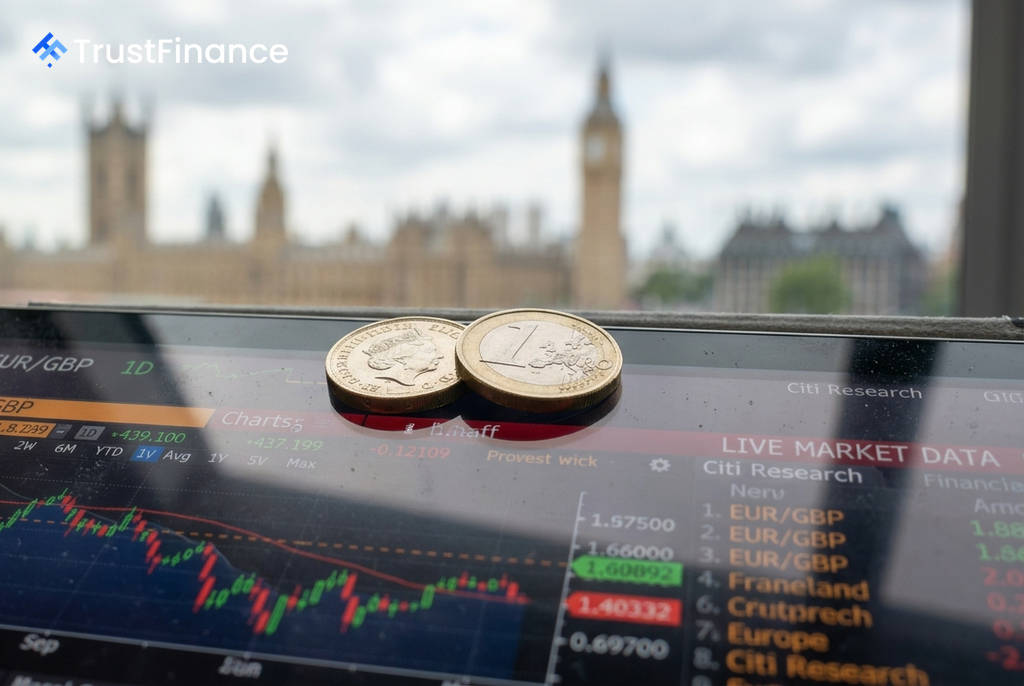
Citigroup analysts have adopted a tactically bearish stance on the British pound, anticipating potential weakness against the euro following the expected appointment of Andy Burnham as the UK's next Prime Minister. The bank sees a historical pattern of sterling underperformance in the wake of leadership changes and suggests a specific window for this trade to materialize.
Historical Precedent for Sterling Weakness
Citi identifies the period after July 20, when Andy Burnham is expected to be officially appointed Prime Minister, as a key potential catalyst. Analysts at the bank noted that all four previous post-Brexit prime ministerial changes have resulted in an "upward drift" in the EUR/GBP exchange rate.
According to the bank's analysis, this pattern is likely a function of market optimism being fully priced in before a new leader takes office. This leaves room for disappointment and a currency sell-off once the practical realities of governing set in.
Market Positioning and Strategy
In light of this historical tendency, Citi sees scope for the euro to strengthen against the pound, targeting a move toward the 0.8450-0.85 area. The bank suggested that any near-term dips in the EUR/GBP pair could present a tactical opportunity to position for a rebound after the new prime minister is in place.
 Ad
While the market has reacted positively to Burnham's comments about maintaining fiscal rules, Citi highlighted that a "high degree of uncertainty remains." This includes key decisions such as the appointment of the next chancellor.
Valuation and Carry Costs
Citi's recommendation is explicitly tactical, driven by the upcoming political event. The bank's note acknowledged that the high carry costs associated with shorting the pound make precise timing and a clear catalyst essential for such a position to be viable.
From a valuation perspective, the analysis also pointed out that the EUR/GBP pair is currently "screening undervalued versus relative rates." This suggests an underlying potential for the euro to appreciate against sterling, independent of the political catalyst.