
Story
US Diesel Prices Climb Despite Costly White House Interventions
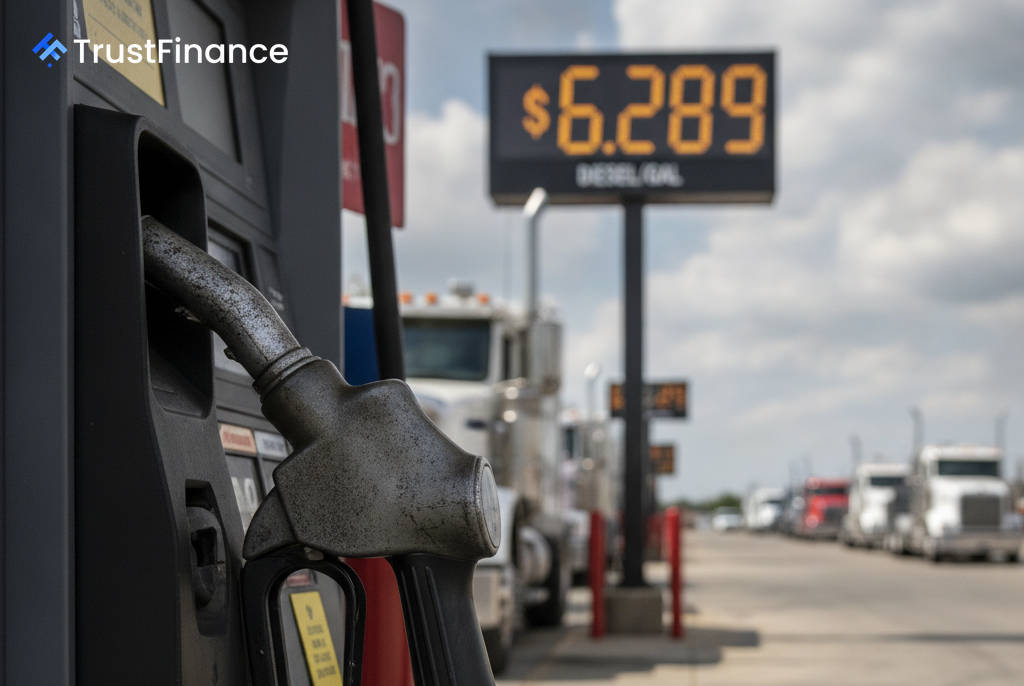
Despite a multi-pronged effort by the Trump administration to lower fuel costs, U.S. diesel prices are again on the rise, creating significant economic and political headwinds just weeks before the November midterm elections. The administration's costly interventions have so far failed to deliver meaningful price relief for key sectors like farming, freight, and construction.
According to the Energy Information Administration, the average price of diesel rose nearly 10 cents last week to $6.28 per gallon, reversing recent declines and remaining near record highs. The persistent high cost of diesel is a primary driver of U.S. inflation and a major concern for voters, with a recent Reuters/Ipsos poll indicating that nearly 80% of Americans blame President Trump for higher costs.
A Flurry of Costly Measures
In response to mounting political pressure, the administration has rolled out several high-stakes initiatives aimed at increasing supply and cushioning the financial blow to key constituencies. These measures include:
- An $8 billion new farm aid program, pushing total government payments to farmers to a record $55.4 billion this year.
- An executive order allowing the use of red-dyed diesel, normally reserved for off-road equipment, in highway vehicles.
- Easing sanctions on Russian fuel and pressuring European allies to release emergency stockpiles.
While the White House has defended its actions and attributed high prices to refinery closures and the war in Ukraine, the measures involve significant trade-offs, including increased federal spending and potential diplomatic friction.
Skepticism and Limited Impact
 Ad
Industry experts and analysts remain skeptical about the effectiveness of these short-term fixes. The executive order on red-dyed diesel has been met with confusion, as the IRS has not eliminated the federal diesel tax itself. David Fialkov of NATSO, a trade group for truck stop operators, called the guidance "murky" and said he does not "see any of these dyed diesel announcements making a meaningful dent in diesel prices."
Furthermore, the new farm aid is not expected to reach farmers until after the election, according to a USDA official. The payments address the symptoms of high costs but not the underlying market disruptions. Rob Larew, President of the National Farmers Union, noted that "one-time payments can’t provide the stability they need to plan for the future."
Geopolitical Tensions
The administration's move to ease sanctions on Russian diesel has drawn bipartisan criticism for potentially helping Moscow finance its war in Ukraine. Some analysts view the action as politically motivated ahead of the election. Edward Fishman of the Council on Foreign Relations described it as a "blame-shifting kind of scapegoating operation, more than a genuine attempt to moderate prices."
This series of costly and politically fraught decisions highlights the administration's struggle to contain a stubborn economic problem that continues to weigh on voters as they head to the polls.
Read next
More on Commodities
European Natural Gas Prices Hit Nearly Four-Year High on Mideast Tensions, Low Storage
European wholesale natural gas futures surged to their highest levels in almost four years, driven by supply fears stemming from Middle East conflicts and critically low storage levels ahead of the winter heating season.

Lula's Surprise Brazil Victory Poised to Reverse Market Rally
President Luiz Inacio Lula da Silva has won a surprise fourth term in Brazil, a result that defied investor expectations and is set to unwind a recent rally in Brazilian stocks, bonds, and the currency.

Natural Gas Rebound Stalls at Key Technical Resistance
Natural gas prices have bounced from oversold territory but are now confronting a critical resistance zone defined by the 50-day and 200-day moving averages. The outcome of this test could determine the commodity's short-term directional bias.

Agricultural Commodities Outperform Copper on Risk-Adjusted Basis, OptionMetrics Reports
Sugar, wheat, and soybeans have delivered superior risk-adjusted returns so far this year, quietly outperforming the much-hyped copper, according to a new analysis from options data firm OptionMetrics.