
Story
European Natural Gas Prices Hit Nearly Four-Year High on Mideast Tensions, Low Storage

European wholesale natural gas prices advanced for a fourth consecutive session on Monday, with the continental benchmark hitting its highest level in nearly four years. The surge reflects mounting market anxiety over persistent supply risks from the Middle East and historically low inventories as the region heads into its peak winter demand period.
Prices Reach Multi-Year Peaks
The front-month Dutch TTF contract, Europe's benchmark for natural gas, rose 3.6% to €97.19 per megawatt-hour (MWh), a level not seen in almost four years. In the United Kingdom, the equivalent NBP natural gas futures contract climbed 3.7% to 239.33 pence per therm.
This upward momentum follows a significant rally last week, where Dutch contracts gained nearly 7% and British gas rose over 6%. The sustained price increases underscore the fragility of the continent's energy markets.
Supply Squeeze Intensifies
Two primary factors are fueling the rally: geopolitical tensions and depleted inventories.
 Ad
- Geopolitical Risk: The market remains on edge following recent Houthi drone and missile strikes on Saudi energy facilities. These events have created transit bottlenecks for maritime energy flows through the Persian Gulf and the Strait of Hormuz, curbing tanker operations.
- LNG Deficit: As a result of mandatory vessel reroutings around the Cape of Good Hope, deliveries of Liquefied Natural Gas (LNG) from the Middle East to Europe are reportedly running approximately 80% below year-ago levels. This has created a structural deficit for European import terminals.
- Low Inventories: Compounding the supply issue, European Union underground gas storage sites are at roughly 74.6% capacity—the lowest seasonal level for late October recorded since 2009. With colder temperatures arriving, some member states have already begun withdrawals, shrinking the inventory buffer that would normally cushion against price shocks.
Economic Implications
The sharp rise in energy costs is reigniting concerns about inflation across the eurozone and the United Kingdom. While the European Central Bank and the Bank of England are expected to hold interest rates steady in their next meetings, the persistence of high energy prices poses a significant challenge.
According to the source, money markets have begun pricing in the possibility of follow-up 25-basis-point rate hikes by both central banks before the end of the year. Policymakers face the difficult task of managing these energy-driven, second-round price pressures without stifling economic activity.
Read next
More on Commodities
Lula's Surprise Brazil Victory Poised to Reverse Market Rally
President Luiz Inacio Lula da Silva has won a surprise fourth term in Brazil, a result that defied investor expectations and is set to unwind a recent rally in Brazilian stocks, bonds, and the currency.

Natural Gas Rebound Stalls at Key Technical Resistance
Natural gas prices have bounced from oversold territory but are now confronting a critical resistance zone defined by the 50-day and 200-day moving averages. The outcome of this test could determine the commodity's short-term directional bias.
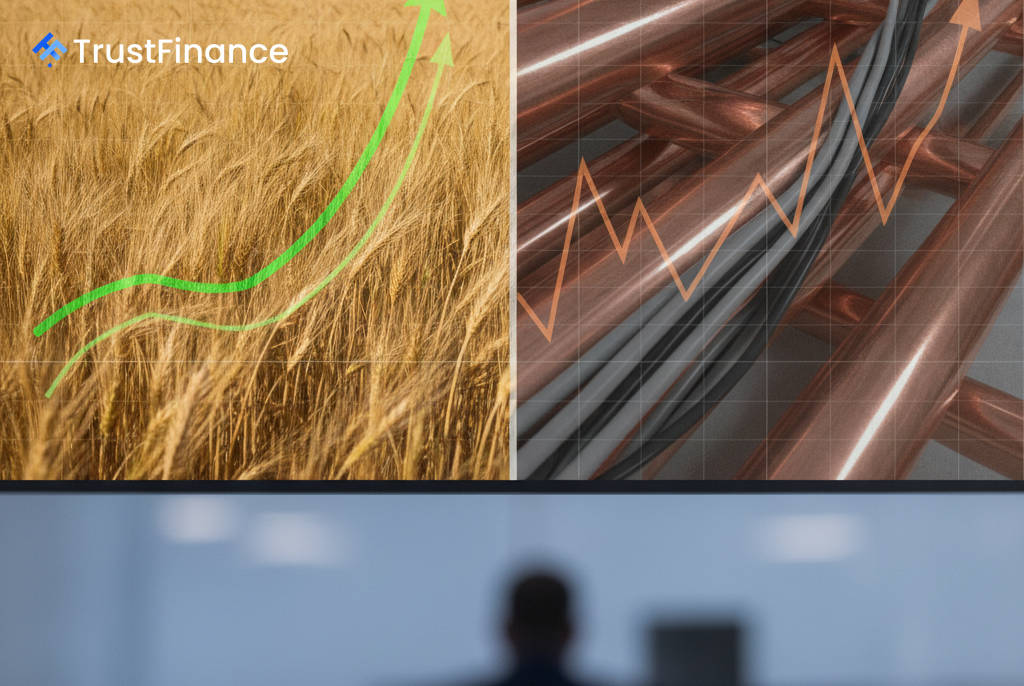
Agricultural Commodities Outperform Copper on Risk-Adjusted Basis, OptionMetrics Reports
Sugar, wheat, and soybeans have delivered superior risk-adjusted returns so far this year, quietly outperforming the much-hyped copper, according to a new analysis from options data firm OptionMetrics.
Trump Weighs Quick End to Potential Iran Conflict Against Letting It 'Wither'
President Donald Trump on Friday stated the United States could end a war with Iran "very quickly" but also publicly questioned whether it would be better to let the conflict gradually wind down.