
Story
Prysmian Shares Fall on Dilution, Leverage Concerns Following Atkore Acquisition Deal
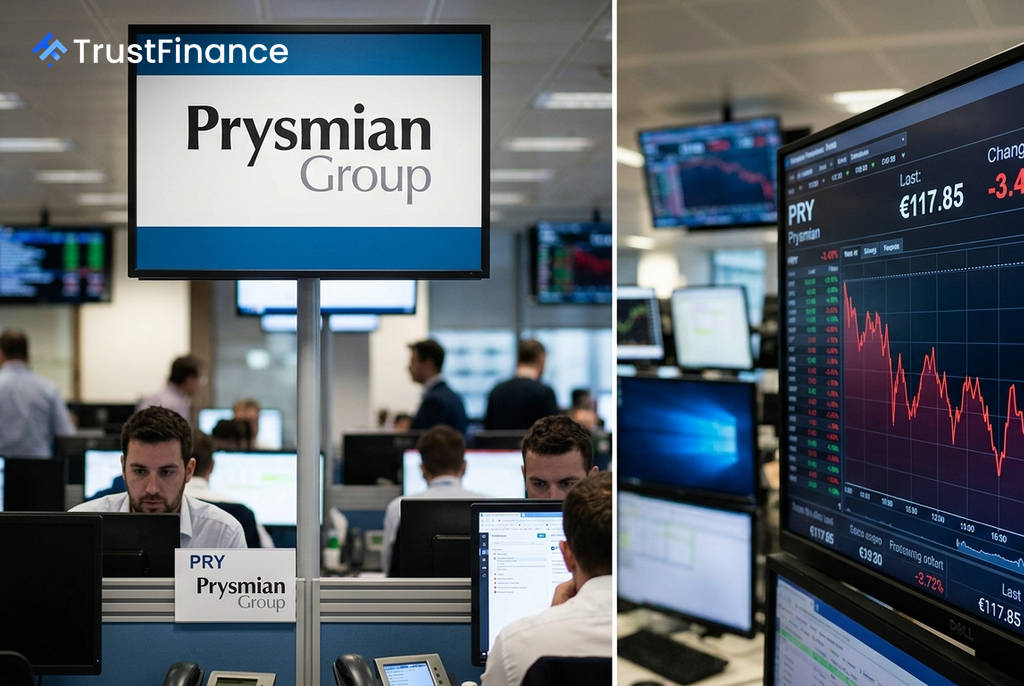
Shares in Prysmian (PRY.MI) fell nearly 2% on Tuesday, reversing a strong opening after the Milan-based cable manufacturer announced a definitive agreement to acquire U.S. electrical products firm Atkore Inc. (ATKR). The market's initial optimism soured as investors scrutinized the deal's financing structure and its impact on the company's balance sheet.
Deal Details
Prysmian agreed to acquire Atkore for $95.00 per share in an all-cash transaction, representing an enterprise value of approximately $3.8 billion. The price reflects a premium of roughly 30% to Atkore's most recent closing price, according to the announcement.
The acquisition, which was unanimously approved by the boards of both companies, is targeted to close by the end of 2026. This marks Prysmian’s third major U.S. acquisition in approximately two years, following its deals for Encore Wire and Channell.
Financing Concerns Drive Sell-Off
Investor concerns centered on the transaction's funding mechanism. Prysmian intends to finance the acquisition through a combination of new debt and equity, which includes the disposal of treasury shares.
 Ad
This equity component is a dilutive event for existing shareholders, as it increases the total number of shares outstanding. The deal also intensifies scrutiny over the company's leverage and its ability to maintain its investment-grade credit profile. Compounding the uncertainty, Prysmian's recently raised 2026 financial guidance explicitly excludes any contribution from Atkore, clouding the near-term earnings outlook.
Market Context
The stock's intraday reversal from an opening high of €123.70 to near €117.85 stood in contrast to a firmer European market, where the STOXX 600 index was trading higher. This divergence underscores that the sell-off was driven by company-specific deal dynamics rather than broader market sentiment.
Investors appear to be weighing the deal's strategic logic—which aligns with electrification and AI infrastructure themes—against significant financial risks. The market is pricing in execution risk, shareholder dilution, and balance sheet pressure until greater clarity on synergies and deleveraging emerges.
Read next
More on Stocks
FTC Orders Walmart, Uber, Delta to Disclose Data on Personalized Pricing
The U.S. Federal Trade Commission is demanding nine major companies, including leading retail, travel, and gig economy firms, to provide information on how they use consumer data for setting individual prices and wages.

Google Launches Gemini 4 Carbon AI Model to Bolster Cybersecurity Capabilities
Alphabet's Google has unveiled Gemini 4 Carbon, its latest AI model specifically designed for advanced cybersecurity tasks like vulnerability detection and secure code generation. The launch escalates competition with rivals OpenAI and Anthropic in the enterprise AI market.

Oracle Shares Surge After Unveiling $225 Billion Revenue Target for 2030
Oracle stock rose sharply after the company presented a long-term financial outlook targeting at least $225 billion in annual revenue by fiscal 2030, driven by its expanding AI infrastructure business.

DOJ Scrutinizes Nvidia's $12.9B Hugging Face Deal Amid Broader Antitrust Probe, Sources Say
The U.S. Department of Justice is reportedly examining Nvidia's planned $12.93 billion acquisition of AI platform Hugging Face as part of a wider, ongoing antitrust investigation into the chipmaker's market conduct.