
Story
PepsiCo Snack Sales Weaken Amid Shift in US Consumer Habits
Summary
The food and beverage giant reported a sales decline in its North American food business, as rising GLP-1 drug use and a focus on healthier eating curb demand for its core snack brands.
PepsiCo's efforts to reignite growth are facing significant headwinds as shifting U.S. consumer habits, including the widespread adoption of weight-loss drugs and higher living costs, have weakened demand for its flagship snack products. The company's latest quarterly results showed a reversal from an earlier recovery, signaling a more challenging path ahead for its food-centric portfolio.
Sales and Volume Decline
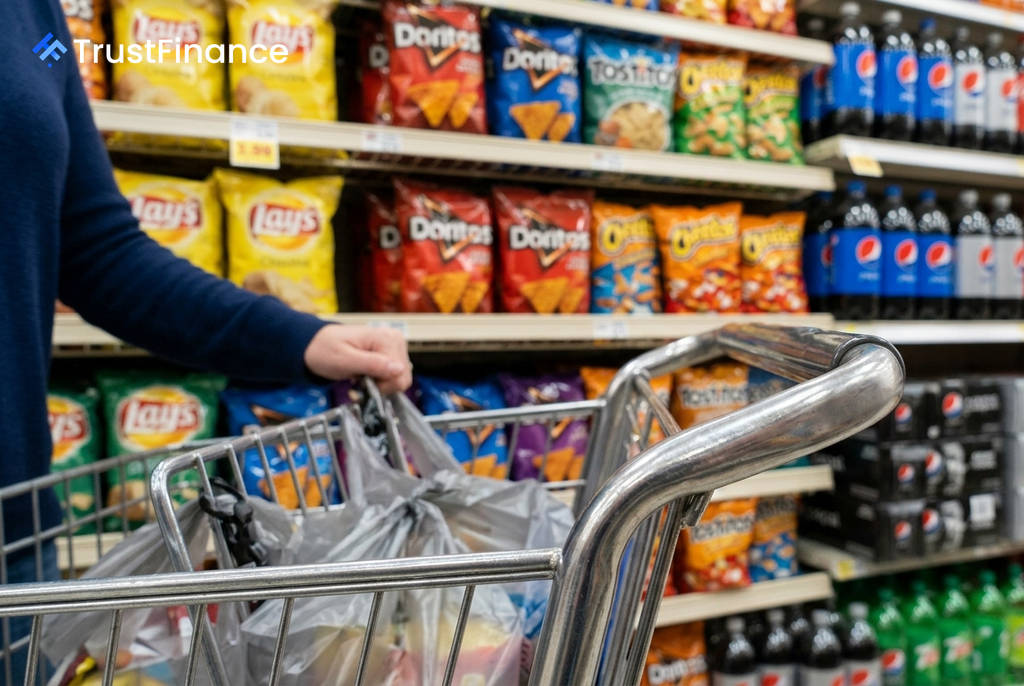
In its second-quarter results for the period ending June 13, PepsiCo reported a 2% sales slip in its Frito-Lay North American food business, with volume remaining flat. This performance comes despite the company implementing price cuts of up to 15% on key products like Lay’s, Doritos, and Cheetos, according to a Reuters report.
The results mark a significant slowdown from the first quarter, when the North American food business had returned to modest growth with a volume increase of around 2%. Overall, volumes in the unit have now fallen in four of the last six quarters. The company's North America beverage volume also fell 4%, a stark contrast to competitor Coca-Cola, which reported 4% volume growth in the region in its most recent quarter.
Headwinds from Health Trends
A primary driver of the slowdown is a fundamental shift in consumer behavior. Americans are increasingly making more deliberate snacking choices, favoring products with perceived health benefits like higher protein and lower sugar. This trend is amplified by the growing use of GLP-1 weight-loss drugs.
Key factors influencing the market include:
 Ad
Ad- GLP-1 Drug Adoption: Use of these drugs increased to 21% of U.S. households in May 2026, up from 9% in January 2025, according to a PwC analysis of Numerator data. Users report buying fewer sweet and salty snacks.
- Intentional Snacking: Consumers have moved from "snacking on autopilot to making much more deliberate decisions," said Suzy Davidkhanian, an analyst at eMarketer.
For PepsiCo, whose food brands generate approximately 58% of its annual revenue, this shift presents a major challenge to its long-term growth engine.
Market Reaction and Investor Pressure
The market has responded to the diverging fortunes of the beverage giants, with PepsiCo's stock down around 4% year-to-date, while Coca-Cola's has risen more than 20%. The performance is likely to increase scrutiny from activist investor Elliott Investment Management, which disclosed a roughly $4 billion stake in the company nearly 10 months ago.
PepsiCo executives acknowledged last week that improvement in its North America business would likely be more gradual than previously expected. Investors "certainly want better volumes in the face of them lowering price," said Stephanie Link, chief investment officer at Hightower Advisors, which holds PepsiCo stock.
Read next
More on Stocks
CFDA CEO Steven Kolb Resigns Following Physical Altercation with Protesters
Steven Kolb has stepped down as CEO of the Council of Fashion Designers of America after twenty years, following a widely publicized incident where he physically restrained animal rights activists at a New York Fashion Week show.

Anthropic Weighs New AI Model Release to Counter OpenAI Ahead of IPO, Sources Say
AI developer Anthropic is reportedly considering a new model launch to compete with OpenAI's recent success, a move that comes as the company prepares for an IPO and shortly after its CEO advocated for a slowdown in AI development.

Paramount, States Discuss CNN Oversight in Warner Bros. Merger Settlement Talks, Sources Say
Paramount and a dozen states are reportedly discussing a settlement to clear its $110 billion acquisition of Warner Bros. Discovery, with potential terms including independent monitoring of CNN and a commitment to theatrical film releases.

Trump Administration Extends H-1B Visa Restrictions for Another Year
The White House has extended restrictions on the H-1B non-immigrant visa program, continuing a policy that limits the ability of U.S. companies to hire skilled foreign workers.