
Story
PCB Fabricators Face Margin Squeeze as Copper and Glass Fiber Costs Soar
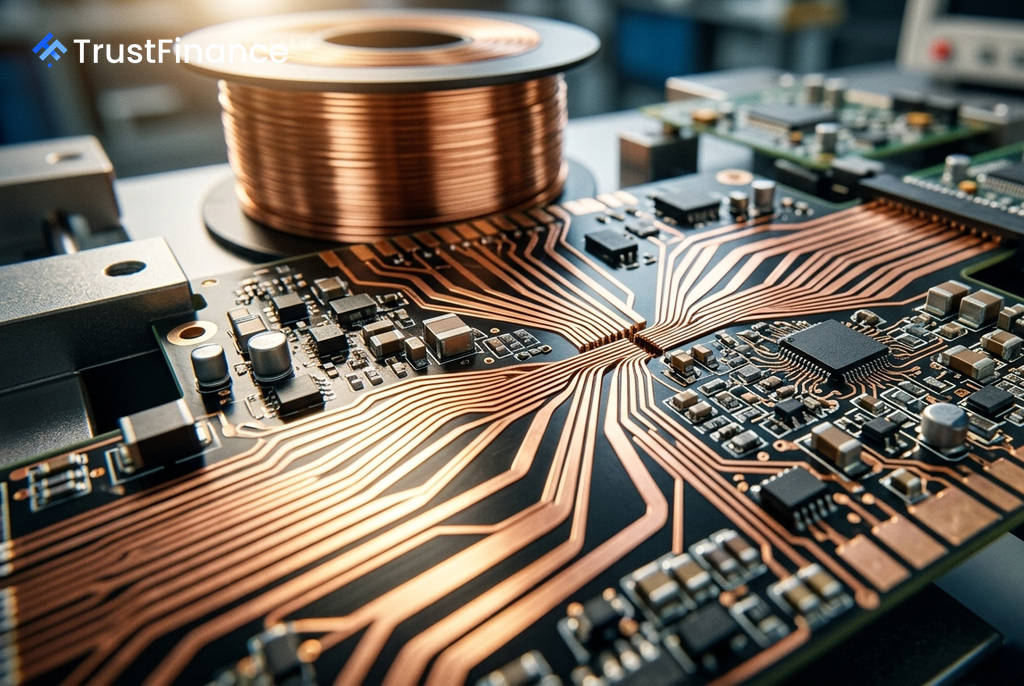
A sharp rise in the cost of key raw materials is creating a clear divide in the electronics supply chain, with printed circuit board (PCB) fabricators facing significant margin pressure while their upstream suppliers capitalize on pricing power.
Soaring prices for copper and shortages of glass fiber materials are the primary drivers, squeezing the producers of copper clad laminate (CCL), the foundational material for all PCBs.
Dual Input Cost Shocks
The pressure on PCB makers stems from two critical bottlenecks in the supply chain. First, copper prices are trading near all-time highs, with London Metal Exchange (LME) prices reaching $14,343 per metric ton. Copper futures (HG) have surged 45% over the past year, driven partly by fears of future U.S. tariffs, according to the source report. This has led key suppliers like Panasonic (6752) to reportedly increase prices for copper foil, a move Citi analysts see as a positive catalyst for the company.
Second, a shortage of glass fiber is compounding the issue. Israeli PCB manufacturer Eltek Ltd. (ELTK) explicitly cited "raw-material shortages, particularly fiber glass-based materials" in its Q2 2026 earnings call. The company reported that despite having its highest-ever order backlog, it swung to a $2.7 million net loss from a $0.4 million profit a year earlier as it could not secure the necessary materials to fulfill orders.
A Clear Divergence in the Supply Chain
The cost inflation has created a distinct set of winners and losers, depending on their position in the value chain.
 Ad
- Winners (Upstream Suppliers): Companies that produce the raw or intermediate materials are successfully passing on higher costs. Kingboard Laminates (1888), the world's largest CCL producer, has seen its stock rise 212% in 12 months. Citi recently raised its price target on the company to HK$95.
- Losers (Downstream Fabricators): PCB makers are struggling to absorb the rising input costs. Victory Giant Tech (2476) has seen its stock fall 29.3% year-to-date amid margin compression. Eltek's stock is down 22.5% over the past year.
India-based Amber Enterprises provided a clear example of the financial impact, reporting that its PCB margins compressed from 16% to 12% in the first quarter of fiscal year 2027, directly attributing the decline to rising CCL costs.
Broader Implications for Electronics
This trend is not isolated to the PCB market but reflects a broader wave of cost inflation across the electronics industry. Other reported price increases include:
- Nvidia servers: Facing price hikes of 15% or more due to soaring memory chip costs.
- Samsung foundry: Increasing prices by 10-15% for advanced nodes amid high demand for AI chips.
For investors, this dynamic highlights the pricing power held by companies that control supply-constrained materials and components. In the current environment, these upstream suppliers are better positioned to protect and expand their margins compared to the assemblers and fabricators caught in the middle.
Read next
More on Stocks
FTC Orders Walmart, Uber, Delta to Disclose Data on Personalized Pricing
The U.S. Federal Trade Commission is demanding nine major companies, including leading retail, travel, and gig economy firms, to provide information on how they use consumer data for setting individual prices and wages.

Google Launches Gemini 4 Carbon AI Model to Bolster Cybersecurity Capabilities
Alphabet's Google has unveiled Gemini 4 Carbon, its latest AI model specifically designed for advanced cybersecurity tasks like vulnerability detection and secure code generation. The launch escalates competition with rivals OpenAI and Anthropic in the enterprise AI market.

Oracle Shares Surge After Unveiling $225 Billion Revenue Target for 2030
Oracle stock rose sharply after the company presented a long-term financial outlook targeting at least $225 billion in annual revenue by fiscal 2030, driven by its expanding AI infrastructure business.

DOJ Scrutinizes Nvidia's $12.9B Hugging Face Deal Amid Broader Antitrust Probe, Sources Say
The U.S. Department of Justice is reportedly examining Nvidia's planned $12.93 billion acquisition of AI platform Hugging Face as part of a wider, ongoing antitrust investigation into the chipmaker's market conduct.