
Story
Global Bond Yields Ease as Fed Hike, BoE Pause Provide Market Clarity
Summary
Sovereign bond yields retreated from recent highs across major markets after the U.S. Federal Reserve's decisive rate hike and the Bank of England's hold provided investors with clearer policy outlooks.
Global sovereign bond yields pulled back on Thursday, providing relief to fixed-income markets after a period of intense selling. The move was driven by investor reactions to a key interest rate decision from the U.S. Federal Reserve, a hawkish pause by the Bank of England, and signs of potential diplomatic progress in the Middle East.
Treasury Yields Retreat from Key Levels
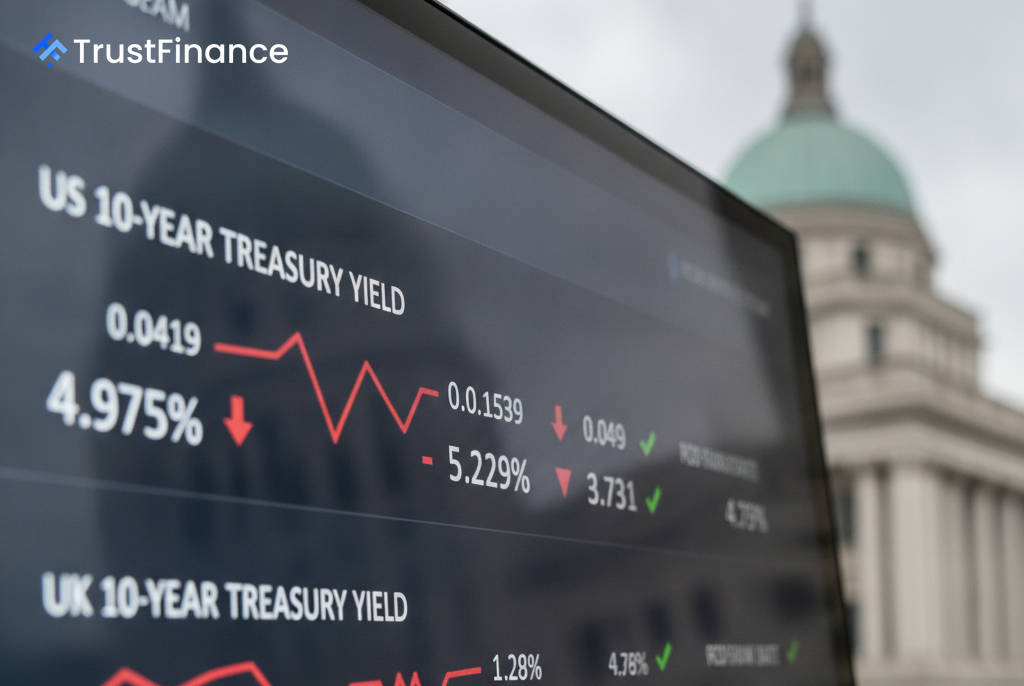
The benchmark U.S. 10-year Treasury yield fell to approximately 4.975%, retreating from the 5% threshold and snapping a nine-session sell-off. The policy-sensitive 2-year Treasury yield also eased to 4.715%, its first decline in eight sessions, after reaching its highest point since July 2024, according to Investing.com data.
The reversal followed the Federal Reserve's decision on Wednesday to raise its key interest rate by 25 basis points to a range of 3.75%-4.00%. While a hawkish move, the Fed's action was interpreted by markets as a firm commitment to anchoring inflation, providing a degree of certainty. "It was a firmly hawkish FOMC meeting and set of communications," said Sam Hill, head of market insights at Lloyds Bank, in a comment cited by the source.
Bank of England Holds Rates but Signals Future Hikes
In the United Kingdom, government bond (gilt) prices rallied after the Bank of England's Monetary Policy Committee voted 6-3 to keep its key Bank Rate on hold at 3.75%. The 10-year gilt yield fell for the fifth straight session to 5.229%, while the 2-year yield declined to 4.710%.
 Ad
AdDespite the pause, the BoE issued a stern warning, revising its inflation forecast upward. The central bank now expects consumer price inflation to exceed 4% early next year, a significant increase from its previous 3.2% peak forecast, citing disruptions to energy transit. Analysts widely expect a rate increase in November. "Unless energy prices fall back and a resolution to the Middle East occurs, it now feels as though the Bank will hike interest rates to 4.00% at the next policy meeting," said Paul Dales, Chief U.K. Economist at Capital Economics.
Geopolitics and a Look Ahead to the BoJ
Adding to the bid for government debt, yields were also pressured lower by reports of potential diplomatic progress in the seven-month Iran war. Comments from President Donald Trump suggesting a deal could be near helped ease the geopolitical risk premium that had been built into long-term bonds.
Market attention now shifts to the Bank of Japan, which is set to announce its policy decision on Friday. According to Investing.com, money markets are pricing in an 80% probability of a 25-basis-point rate hike to 1.25%, a move that would take Japanese interest rates to a 31-year high and further influence the global yield environment.
Read next
More on Forex
Bank of England Holds Rates; Pound Sterling Declines on Cautious Outlook
The British pound weakened against the U.S. dollar after the Bank of England kept interest rates unchanged. Investors weighed a hawkish inflation forecast against a cautious policy statement and persistent dollar strength.
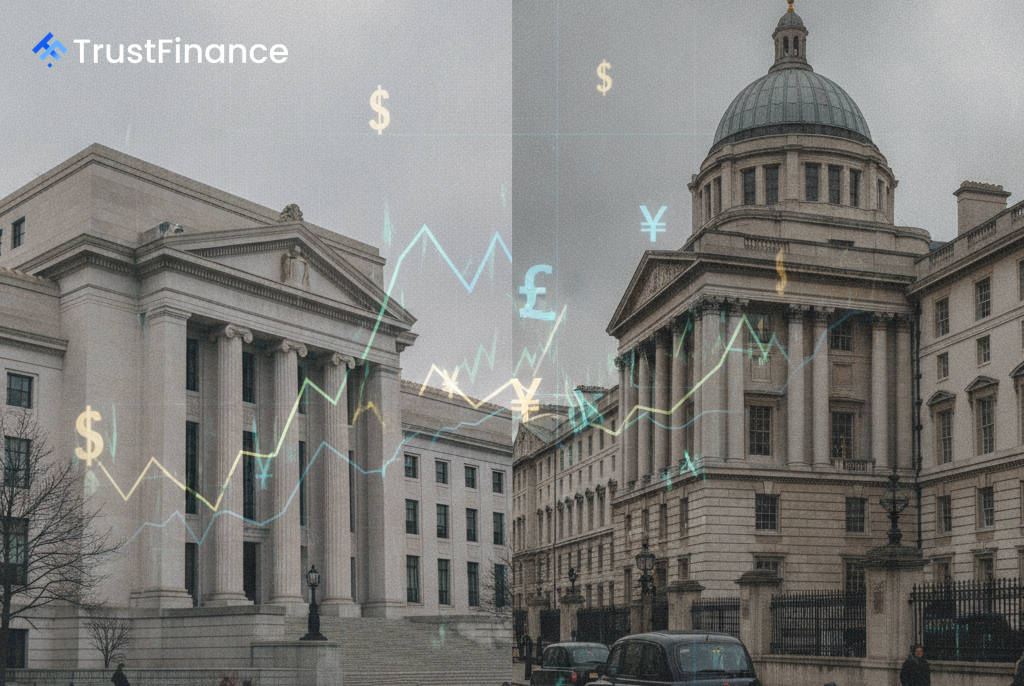
Dollar Pauses Six-Day Rally After Fed Hike; Sterling Slips as BoE Holds Rates
The U.S. dollar's recent advance stalled after a widely expected Federal Reserve rate increase, while the British pound declined as the Bank of England kept its policy rate unchanged despite a split vote.
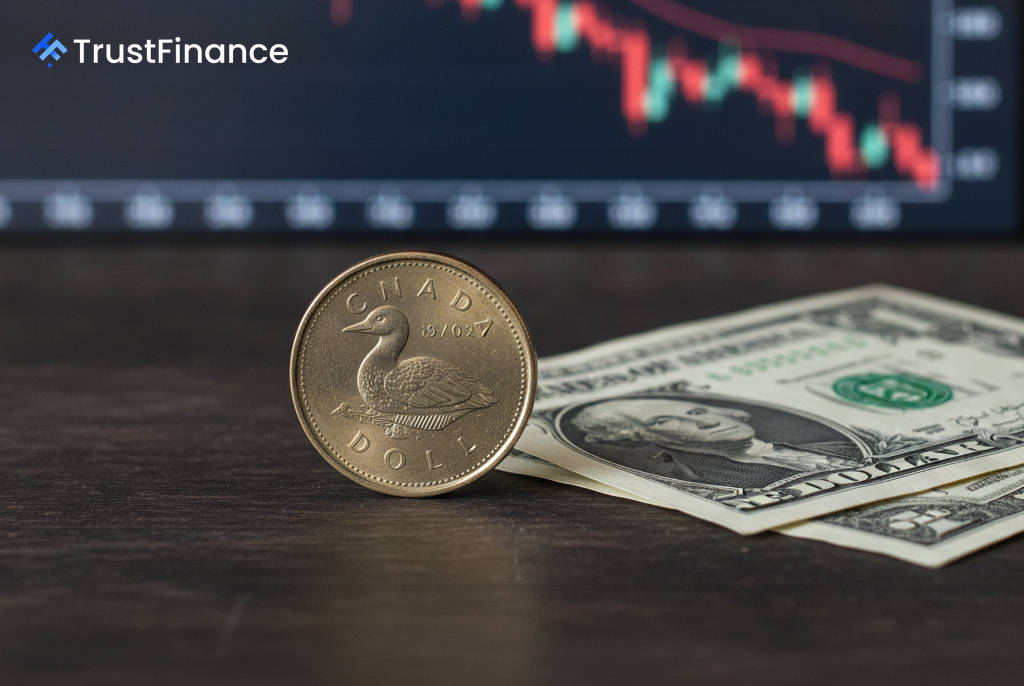
Canadian Dollar Hits One-Month Low as Hawkish Fed Lifts Greenback
The Canadian dollar declined to its lowest point in a month against its U.S. counterpart after the Federal Reserve raised interest rates and signaled further tightening. The move strengthened the U.S. dollar, highlighting the widening monetary policy gap between the two central banks.

Sterling Slips as Markets Brace for Fed Hike, UK Inflation Rises
The British pound lost ground against a strengthening U.S. dollar as investors awaited a widely expected Federal Reserve rate hike. A modest acceleration in UK inflation also weighed on the currency, though analysts believe it is unlikely to alter the Bank of England's policy path.