
Story
Figma Stock Grapples With Post-IPO Decline Despite Strong Growth Metrics

Summary
Shares of design software firm Figma Inc. have fallen sharply since its 2025 public debut, creating a valuation standoff between investors focused on its rapid revenue growth and those concerned by its GAAP losses and negative market sentiment.
Shares of Figma Inc. (FIG) are trading deep in negative territory more than a year after a volatile public debut, creating a sharp division among investors over the company's valuation despite its strong underlying business performance.
As of September 17, Figma's stock was trading at $23.42, a figure that is down 57.25% over the past year and 38.37% year-to-date, according to Investing.com data. The stock's performance represents a significant hangover from its August 2025 IPO, which saw it debut at $33, surge to a high of $142.92 on its first day, and subsequently fall to a low of $16.60 by April 2026.
Strong Fundamentals vs. GAAP Losses
Figma's operational metrics highlight the bull case for the company. It has demonstrated impressive top-line growth and profitability on a cash basis, separating it from many high-growth technology firms.
- Revenue Growth: Revenue over the last twelve months (LTM) grew +43.4%. The company's revenue expanded from $505 million to $1.06 billion over a three-year period.
- Free Cash Flow: Figma generated a positive free cash flow of $232.3 million (LTM).
- Gross Margin: The company maintained a high gross margin of 82.4% in 2025, a key indicator of profitability for a software-as-a-service (SaaS) business.
However, the bear case centers on the company's significant GAAP (Generally Accepted Accounting Principles) losses. Figma reported an EBITDA of -$1.27 billion and a net income of -$1.25 billion for 2025. The source notes these losses are driven primarily by non-cash expenses like stock-based compensation and charges related to its IPO, rather than operational cash burn, which is corroborated by the positive free cash flow figure.
 Ad
AdA Contested Valuation
The market's sentiment toward Figma remains cautious, even in the face of strong quarterly results. Following its Q2 FY2026 earnings report, where it beat earnings per share (EPS) estimates by 100%, the stock fell 11.62%. This reaction underscores investor uncertainty.
Adding another layer to the valuation debate is Adobe's abandoned $20 billion acquisition offer from September 2022. Today, Figma's enterprise value stands at $10.92 billion, a nearly 45% discount to that bid, for a business that has since grown its revenue to over $1 billion. This discrepancy highlights the potential for M&A activity but also reflects current market concerns about AI-driven competition and margin pressure.
Analyst opinions are fractured. The consensus analyst target price suggests a 30.4% upside from current levels. In contrast, InvestingPro's model-driven fair value estimate is $21.17, implying the stock is slightly overvalued. This divide captures the central conflict: whether Figma is a premium growth asset trading at a discount or a company facing understated risks in a competitive market.
Read next
More on Stocks
Nucor Stock Slides After Q3 Earnings Guidance Misses Analyst Forecasts
Nucor Corporation (NUE) shares fell after the company projected third-quarter earnings of $5.55 to $5.65 per share, below the Wall Street consensus of $5.99, citing the absence of significant one-time gains from the prior quarter.
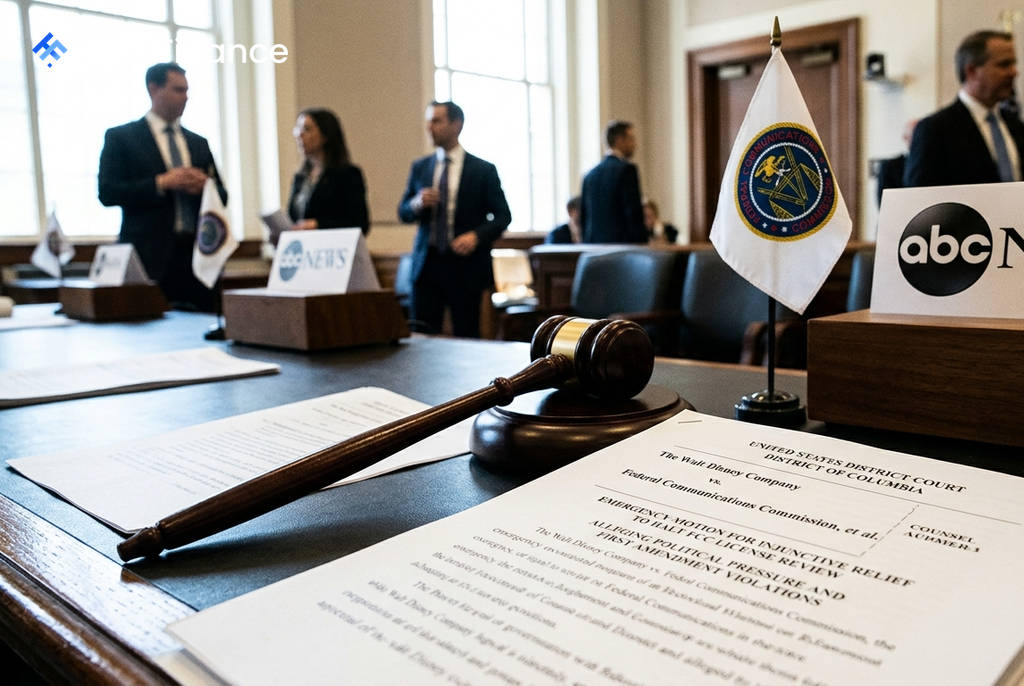
Disney Asks Court to Halt FCC License Review, Alleges Political Pressure From Trump
The Walt Disney Company has filed a legal challenge to stop the Federal Communications Commission from conducting an early review of its ABC station licenses, claiming the regulator is acting on President Trump's directives.
Starbucks Settles Florida Lawsuit Over Diversity Policies for $1 Million
The coffee giant has agreed to settle a lawsuit with Florida's attorney general, pledging to avoid race- or sex-based quotas in its employment practices and pay $1 million to cover the state's litigation costs.

Latin American Stocks Rally as Dollar Slides After Fed Rate Hike
Equities and currencies across Latin America gained as a pullback in the U.S. dollar following the Federal Reserve's latest interest rate increase boosted commodity-linked assets and improved investor sentiment toward emerging markets.