
Story
European Gas Prices Ease From 2023 Highs but Supply Risks Remain

Summary
European and UK wholesale natural gas prices pulled back slightly on Tuesday after a recent surge. However, prices remain anchored by low storage levels, geopolitical shipping risks, and rising oil prices.
European wholesale natural gas prices retreated from 2023 highs on Tuesday as traders booked profits, though prices remain elevated amid persistent concerns over tight supplies and geopolitical instability. The modest pullback follows a recent surge driven by low storage levels and escalating risks to global energy shipments.
Prices Pull Back from Peaks
The front-month contract on the Dutch Title Transfer Facility (TTF), Europe's gas pricing benchmark, slipped 0.7% to trade around €82.80 per megawatt-hour (MWh). This followed a session on Monday where the price reached a 2023 peak of €83.40 per MWh.
In the United Kingdom, the equivalent NBP wholesale contract also eased by 0.7% to 200.10 pence per therm, though it remained above the key 200-pence level.
Low Storage and Supply Vulnerabilities
Despite the daily decline, a significant risk premium is underpinning the market due to structural supply vulnerabilities. According to data from Gas Infrastructure Europe, the continent's underground storage facilities are at approximately 68% capacity, which is below the five-year seasonal average.
 Ad
AdThe low inventory levels amplify market sensitivity to supply shocks. JERA CEO Yukio Kani highlighted on Monday that Europe's depleted reserves leave the region acutely exposed to shipping disruptions and heightened global competition for spot liquefied natural gas (LNG) cargoes.
Geopolitical Tensions and Inflation Concerns
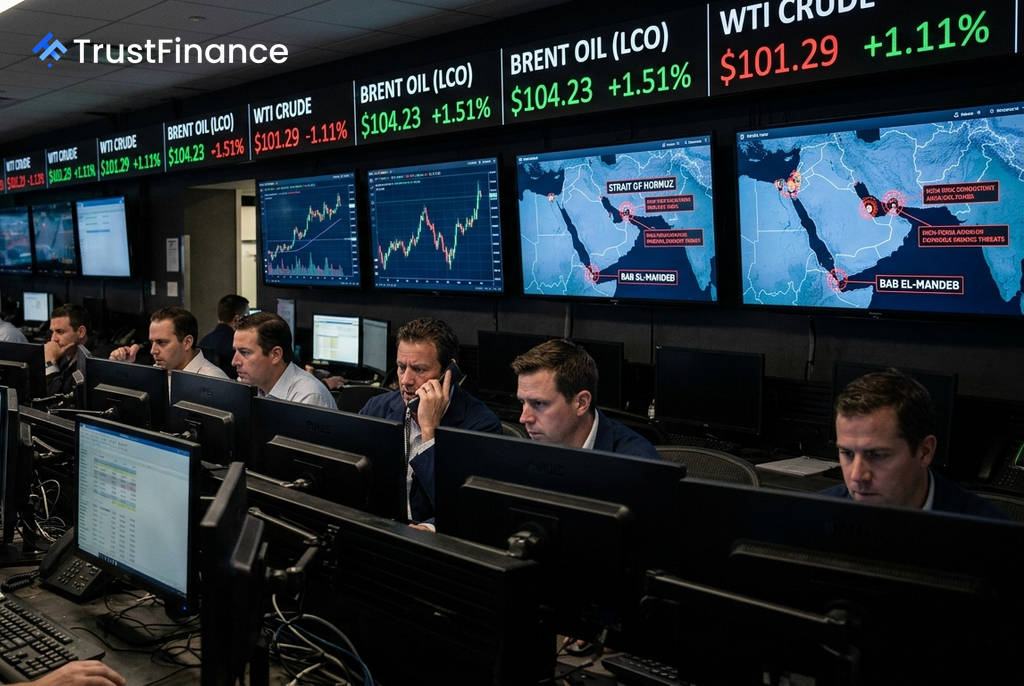
Escalating geopolitical risks in the Middle East are adding further upward pressure on energy prices. Brent crude futures rose 1.2% to surpass $113 a barrel on Tuesday after Saudi Arabia attributed a strike on a key pipeline to Iran-backed elements.
Ongoing Houthi attacks on Red Sea shipping and the postponement of a diplomatic meeting to secure tanker passage through the Strait of Hormuz are restricting LNG flows from key producers like Qatar. These energy price pressures are a key concern for central banks, as sustained high costs could force policymakers at the Federal Reserve and European Central Bank to maintain restrictive monetary policy to combat inflation.
Read next
More on Commodities
Wheat Futures Decline Amid Black Sea Diplomatic Hopes and Lack of Fresh Catalysts
Chicago wheat futures closed lower on Thursday as traders weighed reports of a potential shipping truce in the Black Sea, while U.S. export sales data offered no bullish surprises.

US to Grant Visas to Iranian President for UN General Assembly Amid Ongoing Conflict
The U.S. State Department will allow a delegation of top Iranian officials, including President Masoud Pezeshkian, to attend the UN General Assembly in New York, despite the ongoing military conflict between the two nations.

JPMorgan Abandons Oil Market Baseline Amid Extreme Geopolitical Uncertainty
JPMorgan Chase no longer holds a clear baseline view for oil markets, citing an inability to model the endgame of ongoing Middle East conflicts that have driven Brent crude above $100 per barrel.
JP Morgan Withdraws Oil Market Forecast, Citing 'No Clear Endgame' in Iran Conflict
The investment bank has abandoned its baseline view on oil for the first time since the Middle East conflict began, stating it cannot model an outcome amid significant supply disruptions and demand destruction.