
Story
China's CXMT to Begin HBM3E Production Despite Low Yields, Sources Say
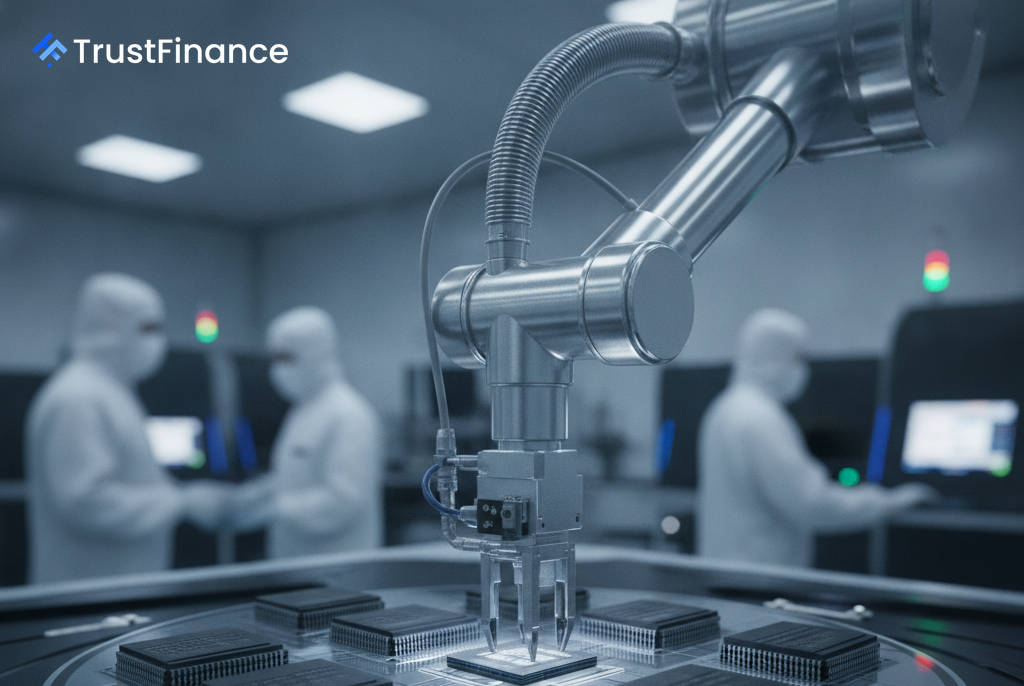
China's leading memory chipmaker, ChangXin Memory Technologies (CXMT), is planning to commence production of advanced HBM3E memory despite facing extremely low manufacturing yields, according to two people familiar with the matter. The decision underscores the severe shortage of high-bandwidth memory (HBM) in China, a critical component for artificial intelligence processors, as the country seeks to build a domestic semiconductor supply chain in the face of U.S. export controls.
Production Challenges
CXMT, China's largest producer of DRAM, has reportedly sent samples of its HBM3E chips to several domestic AI chip designers and expects to start limited production within the next two months. However, the production process is struggling with significant inefficiencies.
- The manufacturing yield, which measures the percentage of usable chips from a production line, is reportedly only 20% to 30%.
- This figure stands in stark contrast to the estimated 70% yield achieved by market leader SK Hynix for similar products.
- Low yields make production exceptionally expensive, as a large portion of the output must be discarded, which is expected to make CXMT's HBM3E more costly than comparable chips from international competitors.
Sources also indicated that in testing, the performance of CXMT's HBM3E was closer to the previous-generation HBM3 from SK Hynix, highlighting the technology gap with established global players.
Market Impact and Context
 Ad
The move to proceed with costly, low-yield production reflects the intense demand from Chinese AI firms. These companies have struggled to secure enough advanced memory to scale up their operations following tightened U.S. export controls on HBM products to China, which were implemented in December 2024. The shortage has reportedly forced Chinese AI chipmakers like Huawei and Cambricon to raise prices by 20% to 50%, according to a previous Reuters report.
By pressing forward, CXMT aims to provide a domestic alternative, even if it is less efficient and more expensive. This strategic push is a direct response to the difficulty Chinese firms face in acquiring HBM, which is essential for training and running the large language models that power modern AI.
Competitive Landscape
The global HBM market is dominated by a few key players. According to second-quarter data from Counterpoint Research, SK Hynix holds a 50% revenue share, followed by Samsung Electronics with 33% and Micron Technology with 18%. While CXMT is the world's fourth-largest supplier of conventional DRAM with a 10% market share, it remains significantly behind in the specialized HBM segment.
International rivals are already advancing to the next generation of technology. Samsung announced in July that it had shipped HBM4E samples to major customers, placing CXMT at least one full generation behind in the commercial production of high-bandwidth memory. U.S. restrictions on advanced chipmaking equipment continue to complicate efforts by Chinese firms to close this technological gap.
Read next
More on Stocks
New Zealand Dollar Sinks After RBNZ's Surprise Rate Hold; Dollar Firm Ahead of Fed
The New Zealand dollar fell sharply after the Reserve Bank of New Zealand unexpectedly kept interest rates on hold, while the U.S. dollar held near a two-week high as investors awaited the Federal Reserve's policy decision.

New Zealand Dollar Tumbles After RBNZ Unexpectedly Holds Rates
The New Zealand dollar fell sharply against the U.S. dollar after the Reserve Bank of New Zealand surprised markets by keeping its key interest rate unchanged, defying widespread expectations for a hike.
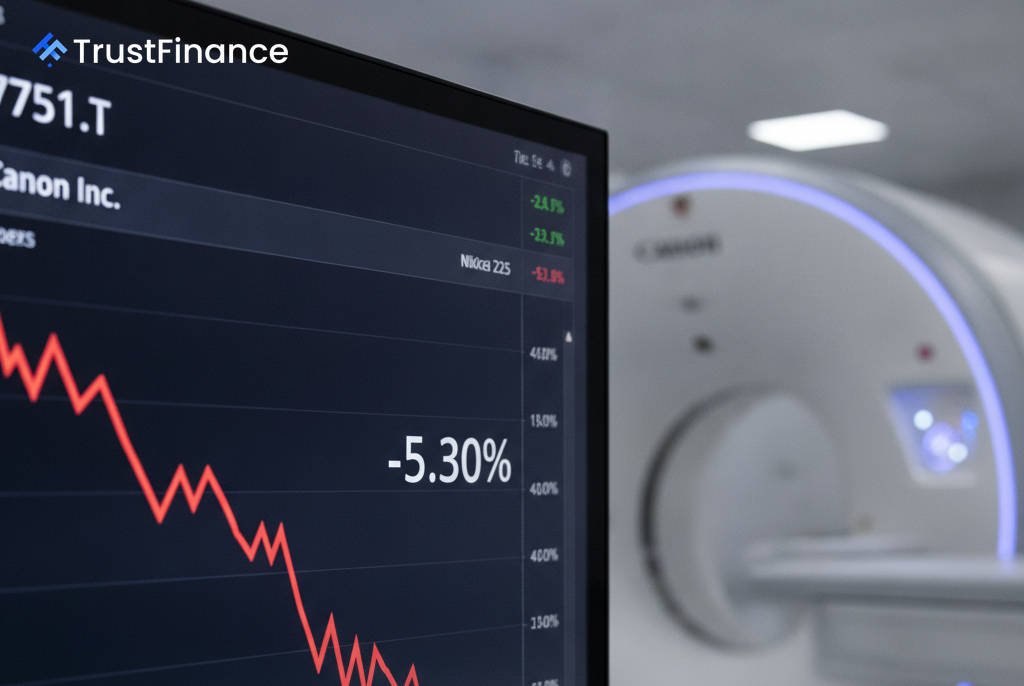
Canon Stock Drops Over 5% as Medical Division Crisis Worsens
Canon's stock fell sharply despite reporting solid Q3 earnings, as investors reacted to a significant cut in its full-year forecast driven by worsening supply chain issues in its medical equipment division.

Standard Chartered Boosts 2026 Outlook After Q3 Profit Surges 27%
The emerging markets-focused bank raised its full-year income growth and profitability targets after third-quarter pretax profit of $2.25 billion significantly surpassed analyst expectations.