
Story
Xiaomi Poised to Lead AI Home Appliance Market, Morgan Stanley Says
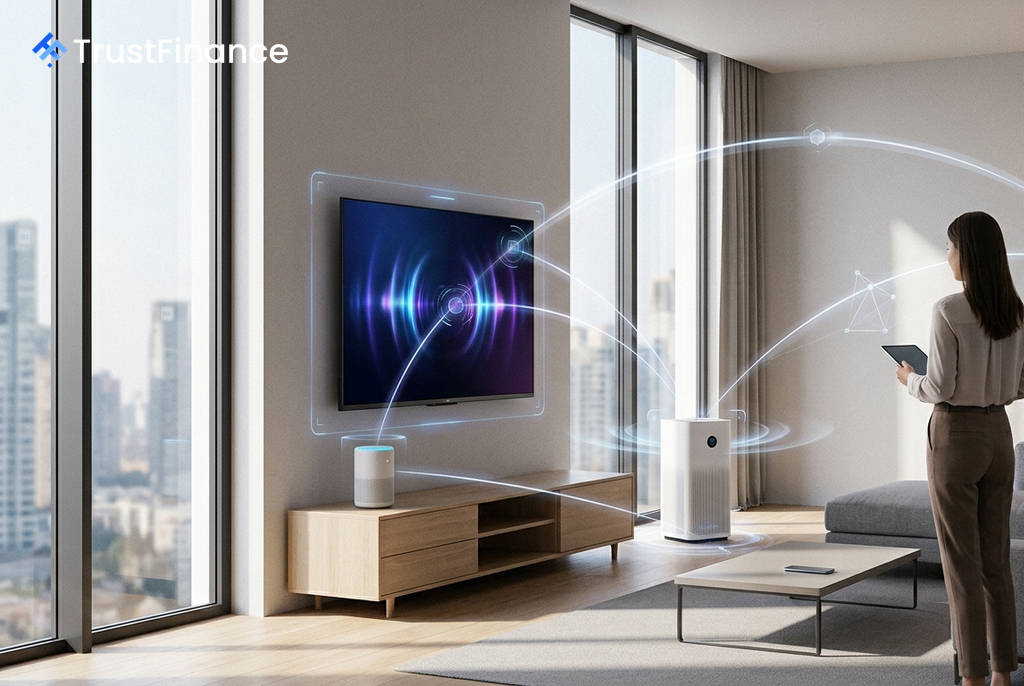
Xiaomi is well-positioned to emerge as a leading beneficiary of China's growing AI-powered home appliance market, according to a new report from Morgan Stanley. The investment bank reiterated its Overweight rating and HK$45 price target on the company, citing its integrated product ecosystem and significant long-term growth potential.
Integrated Ecosystem Seen as Key Advantage
Central to Morgan Stanley's bullish outlook is Xiaomi's comprehensive and interconnected ecosystem, unified by its HyperOS platform. Analysts highlighted the company's "Human + Car + Home" strategy, which integrates its portfolio of smartphones, wearables, televisions, appliances, and electric vehicles into a single user experience.
This strategy is expected to provide a significant competitive advantage over traditional appliance makers. By creating synergies across devices, Xiaomi can increase customer spending and deepen engagement, leveraging a massive existing user base of more than one billion connected devices globally.
Market Growth and Revenue Outlook
The brokerage projects significant expansion in the underlying market. According to the report, China’s AI home appliance market is forecast to grow from approximately $123 billion today to about $150 billion by 2030, driven by higher adoption rates and rising average selling prices.
 Ad
Morgan Stanley projects this trend could propel Xiaomi’s domestic AI home appliance revenue to exceed RMB200 billion by 2035. The firm also noted that the company's overseas revenue in the segment could potentially surpass that figure as it continues its international expansion.
Underestimated AI Potential
Beyond hardware sales, analysts believe the market is underestimating the value of Xiaomi's ongoing investments in artificial intelligence. The development of proprietary large language models (LLMs), AI agents, and advanced software could become a more meaningful valuation driver as earnings growth accelerates through 2027 and 2028.
These AI capabilities are expected to support product differentiation, justify premium pricing, and enhance overall profitability. While acknowledging near-term investor concerns about rising memory chip costs, the report stated that these pressures are viewed as manageable. Management has outlined countermeasures, including price adjustments and product mix improvements, with cost pressures expected to ease in the second half of 2026.