
Story
Weight-Loss Drug Prescriptions for Children Under 12 Surge Over 300-Fold, Study Finds
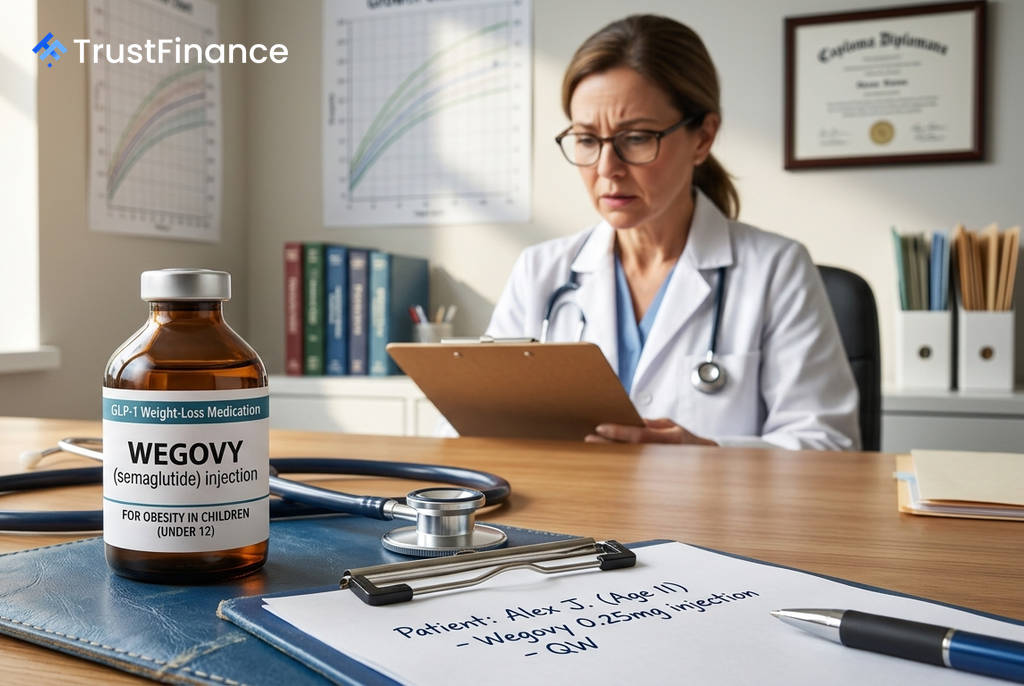
Prescriptions for popular GLP-1 weight-loss drugs for children under the age of 12 have surged more than 300-fold since 2019, according to a new study published in the journal *Pediatrics*. The findings highlight a rapid shift in the medical community's approach to treating severe pediatric obesity, creating a significant new market for pharmaceutical leaders.
Study Reveals Dramatic Uptake
Researchers analyzed a national electronic health records database of over 3.5 million children aged eight to 11 with obesity but not diabetes. The study found the rate of GLP-1 drug prescriptions within this group soared from 0.03% in 2019 to 9.3% as of June.
Key findings from the study include:
- A total of 20,282 children received GLP-1 drugs during the study period.
- 94% of the children prescribed the medications had severe obesity.
- Approximately 65% had at least one related health condition, such as high cholesterol, high blood pressure, or sleep apnea.
While the drugs are not officially approved by regulators for children under 12, the study notes that clinical guidelines permit their use in certain cases for patients as young as eight. Dr. Babak Orandi, the study's lead investigator from NYU Langone Health, stated that while the absolute number of children on these drugs is still low, the use is "accelerating rapidly."
Market Impact for Pharma Giants
 Ad
The trend directly benefits the primary manufacturers of GLP-1 agonists, Novo Nordisk (NYSE:NVO) and Eli Lilly (NYSE:LLY). The most frequently prescribed medication in the study was Novo Nordisk’s Wegovy, followed by its older drug, Saxenda, and Eli Lilly’s Zepbound.
This expanding patient demographic represents a potentially vast new revenue stream for these companies, which have seen their valuations soar on the success of these drugs in adults. The data suggests physicians are increasingly turning to these powerful new treatments for younger, more severe cases of obesity.
Access Disparities and Safety Concerns
The study also highlighted emerging inequalities in access to the costly medications. Children living in higher-income communities were 55% more likely to be prescribed the drugs, raising concerns about equitable availability.
Researchers emphasized the need for continued monitoring to ensure the long-term safety and effectiveness of these drugs in a pediatric population. "Physicians and health policymakers alike have a responsibility to ensure ... these valuable and sometimes costly treatments become available to more than those who have access to health insurance," said Allan Massie, a co-author of the study.
Read next
More on Stocks
FTC Orders Walmart, Uber, Delta to Disclose Data on Personalized Pricing
The U.S. Federal Trade Commission is demanding nine major companies, including leading retail, travel, and gig economy firms, to provide information on how they use consumer data for setting individual prices and wages.

Google Launches Gemini 4 Carbon AI Model to Bolster Cybersecurity Capabilities
Alphabet's Google has unveiled Gemini 4 Carbon, its latest AI model specifically designed for advanced cybersecurity tasks like vulnerability detection and secure code generation. The launch escalates competition with rivals OpenAI and Anthropic in the enterprise AI market.

Oracle Shares Surge After Unveiling $225 Billion Revenue Target for 2030
Oracle stock rose sharply after the company presented a long-term financial outlook targeting at least $225 billion in annual revenue by fiscal 2030, driven by its expanding AI infrastructure business.

DOJ Scrutinizes Nvidia's $12.9B Hugging Face Deal Amid Broader Antitrust Probe, Sources Say
The U.S. Department of Justice is reportedly examining Nvidia's planned $12.93 billion acquisition of AI platform Hugging Face as part of a wider, ongoing antitrust investigation into the chipmaker's market conduct.