
Story
Volkswagen's Journey: From Post-War Icon to Historic Restructuring
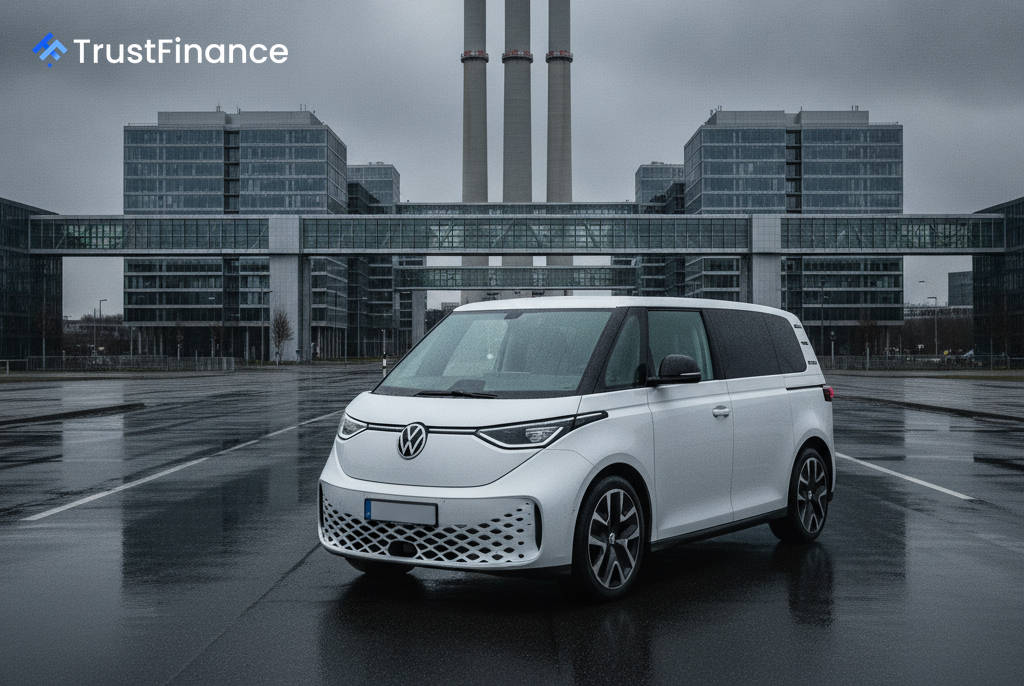
Volkswagen AG, the German automotive giant that rose from its pre-war origins to become a global powerhouse, is confronting what could be the most significant restructuring in its 89-year history. According to a Reuters report, the company is navigating a costly electric vehicle transition, intense competition in key markets, and internal pressures that are forcing a radical overhaul of its operations.
From 'People's Car' to Global Empire
Founded in 1937 by the Nazi regime's German Labour Front, the company was repurposed after World War Two under British supervision to produce its iconic Beetle. The car became a symbol of West Germany's post-war economic boom and a global cultural icon. The company was privatized in 1960, with the state of Lower Saxony retaining a 20% stake it still holds today.
Beginning with the acquisition of the Audi brand in 1965, Volkswagen embarked on a decades-long expansion. Under the leadership of Ferdinand Piech, grandson of founder Ferdinand Porsche, the group grew into a multi-brand empire, adding luxury and performance marques such as Bentley, Lamborghini, and Bugatti to its portfolio.
The 'Dieselgate' Catalyst
A critical turning point came in September 2015 with the "Dieselgate" emissions scandal. The company admitted to using illegal software to cheat on U.S. diesel emissions tests, a crisis that has cost it more than €32 billion ($36 billion) in fines, vehicle refits, and legal fees. The scandal accelerated a strategic pivot toward electric vehicles (EVs), with the company launching its all-electric ID. series.
 Ad
However, the transition has been fraught with challenges. The shift led to internal tensions over potential job losses and persistent software development problems, which ultimately contributed to the ouster of then-CEO Herbert Diess in 2022.
China Woes and Mounting Pressures
China, once a cornerstone of Volkswagen's global business model, has transformed from a primary profit driver into a significant challenge. In 2023, Chinese EV manufacturer BYD surpassed Volkswagen as the country's top-selling automaker, highlighting the intense pressure from local competitors who are setting the pace on software, development speed, and aggressive pricing.
This collapse in its most important market has compounded the financial strain from high EV development costs. According to reports, management is now pursuing a deep restructuring to restore profitability. News has emerged of plans to potentially double layoffs across the group to 100,000 employees and close up to four plants, including its model EV factory in Zwickau. Volkswagen's supervisory board has reportedly accepted the plan under pressure from management and the Porsche and Piech families, who remain the company's top shareholders.
Read next
More on Stocks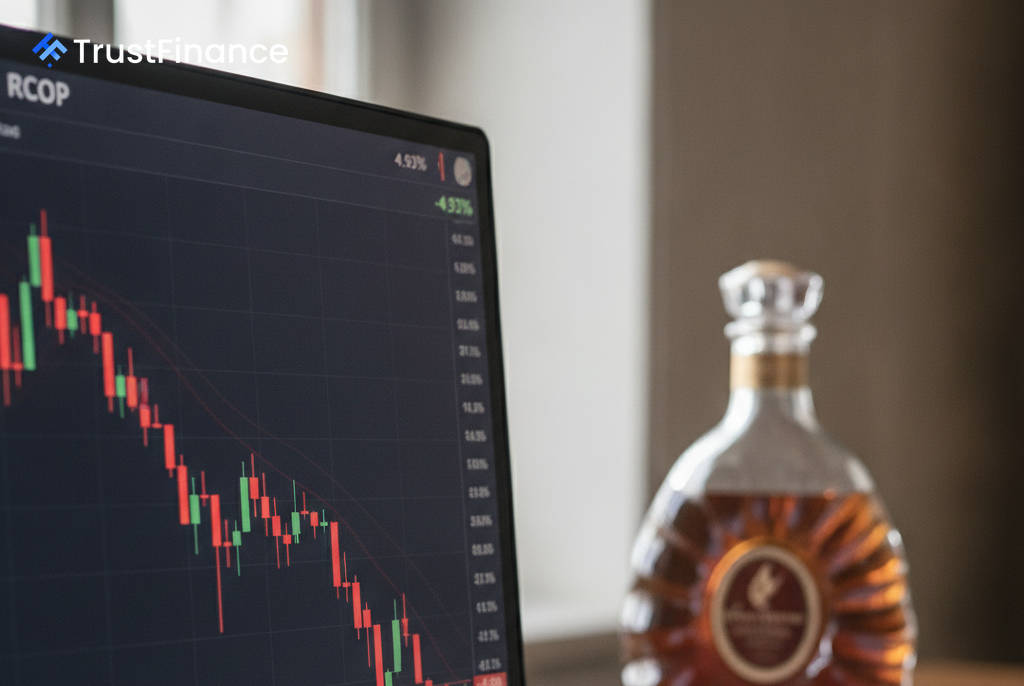
Remy Cointreau Stock Slides as Divisional Weakness, Downgrades Overshadow Sales Beat
Shares of the French spirits maker fell nearly 5% despite beating headline sales estimates, as a significant miss in its liqueurs division and two analyst downgrades raised concerns about the stock's high valuation.
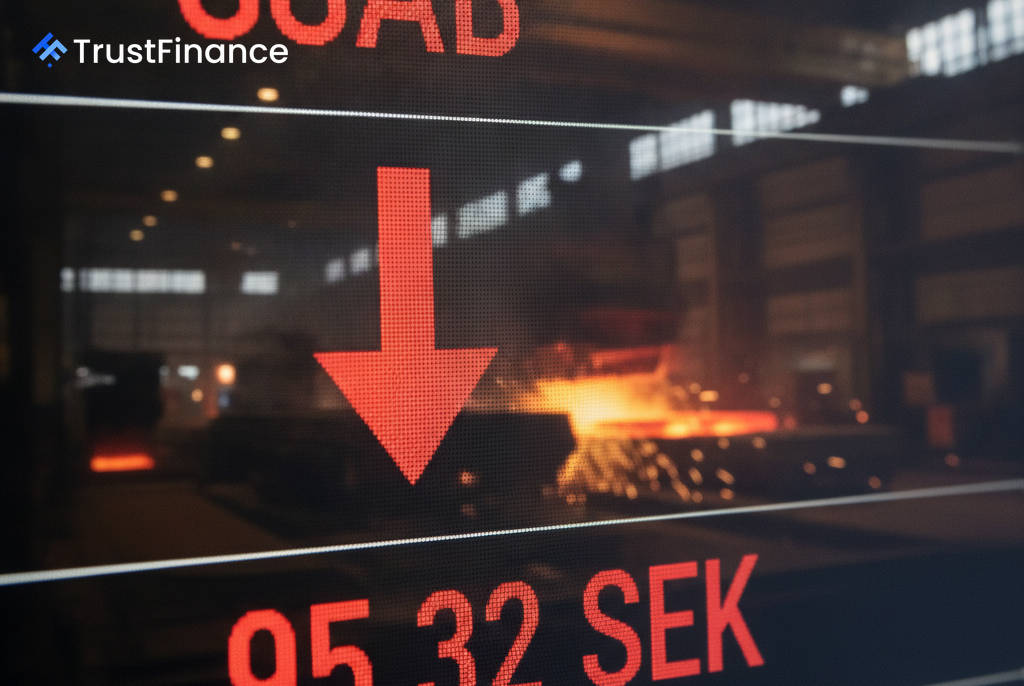
SSAB Shares Decline as Cautious Outlook and Rising Costs Overshadow Q3 Results
Shares in Swedish steelmaker SSAB fell after its third-quarter results, while meeting consensus, revealed a sharp sequential drop in profit and a cautious outlook on rising costs that worried investors.

Logitech Stock Plunges Over 10% as Supply Chain Warning Eclipses Earnings Beat
Logitech shares fell sharply despite reporting better-than-expected Q2 results, as investors reacted to a significant supply chain disruption forecast to impact holiday-quarter revenue and margins.
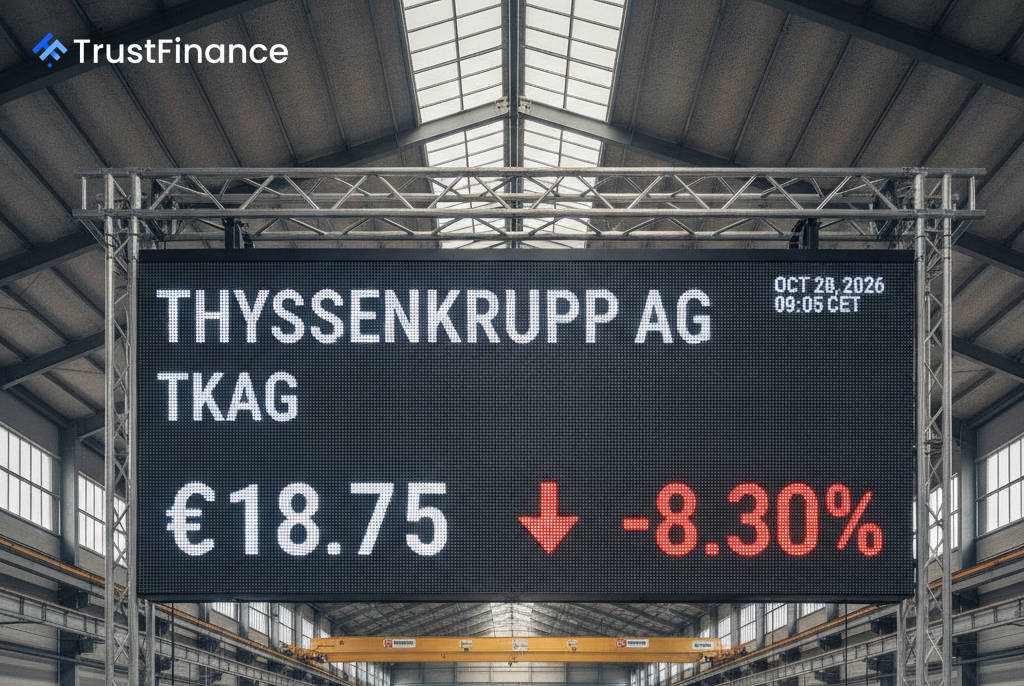
Thyssenkrupp Shares Decline as Materials Unit tk accelis Begins Trading
Shares of German industrial conglomerate Thyssenkrupp fell after its materials trading and processing unit, tk accelis, was spun off and began trading as a separate entity. Thyssenkrupp has retained a majority stake in the newly listed company.