
Story
Volkswagen CEO Warns Staff of Potential for 50,000 Additional Job Cuts
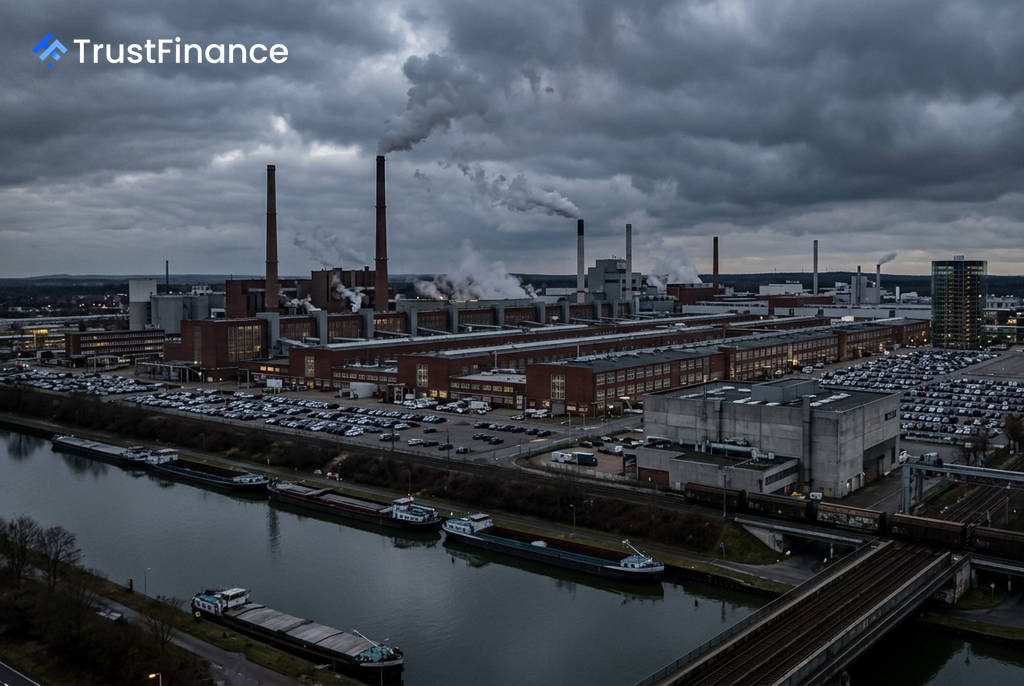
Volkswagen AG CEO Oliver Blume has warned staff in an internal memo of the potential for an additional 50,000 job cuts worldwide, a move that could bring the automaker's total workforce reduction to as many as 100,000 positions. The drastic measure is being considered as the company battles significant competitive pressures and a major cost disadvantage.
Cost Disadvantage Drives Deeper Cuts
In the memo seen by Reuters, Blume stated that after a previously agreed-upon 50,000 job reduction across the group, including its Porsche and Audi subsidiaries, further cost-cutting is imperative. The communication cited a calculated 20% cost disadvantage compared to key competitors, which translates to a "theoretical deduction" of another 50,000 jobs.
"We are currently assessing across all brands, companies and regions how many adjustments are actually necessary and feasible," Blume wrote. The memo effectively confirms for the first time that the automaker is evaluating job losses on this scale as it seeks to streamline operations and boost profitability.
Restructuring Plans Face Internal Resistance
The communication to employees follows a recent supervisory board meeting where restructuring plans were presented. According to sources familiar with the matter, labor representatives on the committee blocked initial proposals, which were said to include job cuts and the possible closure of four German factories.
 Ad
Blume's memo specifically addressed the uncertain future of plants in Emden, Hanover, Zwickau, and Neckarsulm. "As of today, we still cannot confirm competitive use cases for the plants... in the 2030s," he wrote, highlighting the severe pressure on its domestic manufacturing network amid stiff competition in China and the impact of tariff costs.
Search for Alternatives to Closures
Despite the stark numbers, Blume indicated a preference for "intelligent solutions" over outright factory closures. He has previously suggested options such as repurposing underutilized factories for the defense industry or for producing Chinese Volkswagen models in Europe.
This internal message stands in contrast to the company's more vague public statement following the board meeting, which focused on reducing production capacity and halving its model lineup. Analysts noted at the time that those measures fell short of what may be needed to solve Volkswagen's current challenges.