
Story
Nvidia Affirms Product Roadmap and Broadening AI Demand, Citi Reports
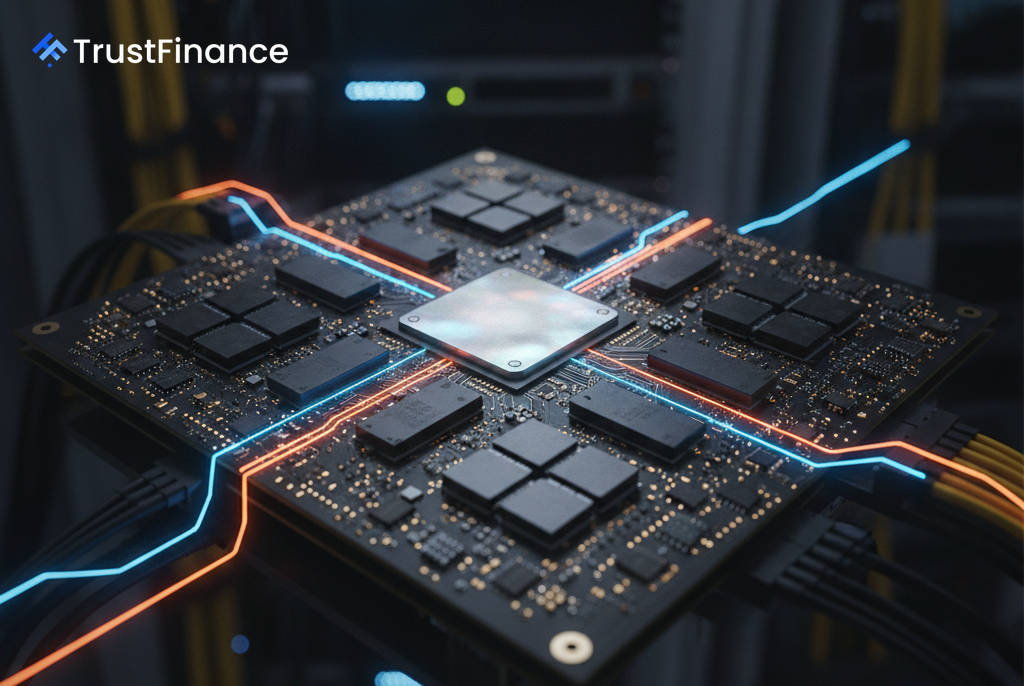
Nvidia Corp. has reaffirmed to investors that its AI infrastructure roadmap remains on track and that demand is strong across a broadening set of customers, according to a recent Citi analyst note following discussions with the company's investor relations team.
Demand Expands Beyond Cloud Giants
Nvidia communicated that while large cloud providers, or hyperscalers, were the initial drivers of AI infrastructure spending, demand has gained significant momentum over the past two years from other segments. The company highlighted growing adoption from:
- AI laboratories
- Sovereign customers (nations building their own AI infrastructure)
- Enterprise on-premise deployments
Nvidia expects these segments to represent a larger portion of the market as AI adoption accelerates, addressing a key investor question about the sustainability of its growth. The company told Citi that overall AI demand remains "very strong."
Roadmap and Technical Details Confirmed
 Ad
The chipmaker confirmed its product development plans are proceeding without disruption. Management stated that its Rubin Ultra roadmap is "fully intact" and that the NVLink architecture revealed at Computex is unchanged.
Nvidia also clarified that co-packaged optics (CPO) for networking are already in production with its Spectrum-X platform and seeing high customer adoption. Beginning with the Feynman platform in calendar year 2028, customers will have the option of using either CPO or traditional copper interconnects for NVLink.
Financial Guidance and Analyst View
Nvidia reiterated its financial targets, maintaining its gross margin guidance in the mid-70% range and its goal of returning 50% of cash flow to shareholders this year. The company noted its recent $25 billion debt offering was for financial flexibility and that buybacks could increase over time.
Following the discussion, Citi reiterated its view of Nvidia as its top buy-rated mega-cap data center semiconductor stock. The bank cited the company's strong access to constrained high-bandwidth memory (HBM) supplies as a key competitive advantage.