
Story
Meta to Begin In-House AI Chip Production in September, Memo Reveals
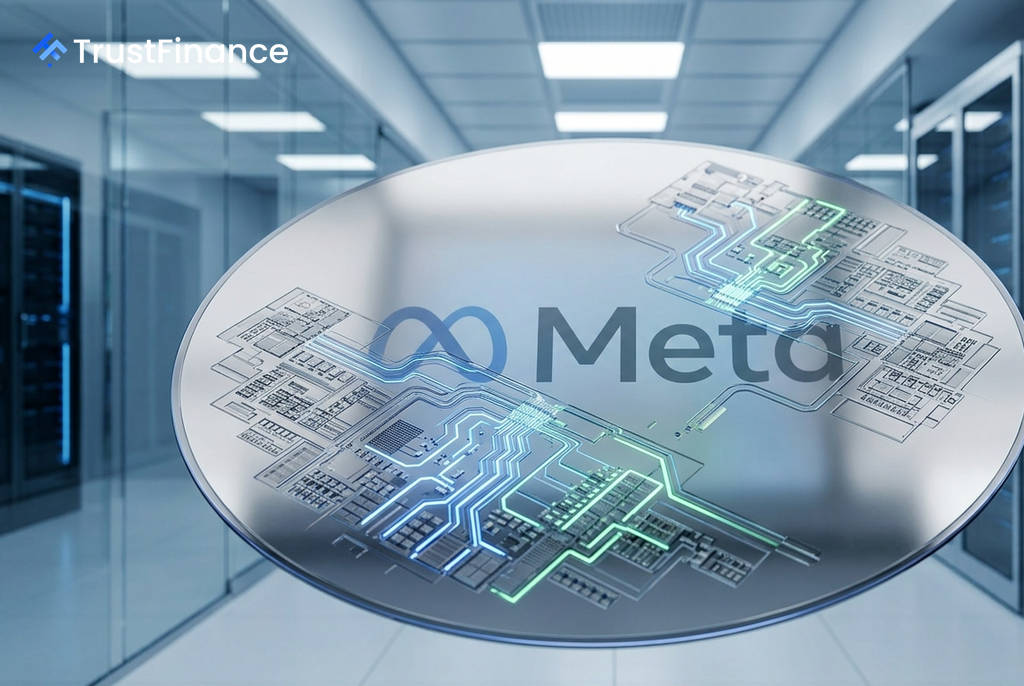
Meta Platforms is set to begin manufacturing its own artificial intelligence chip in September, a key step in its strategy to significantly expand its computing power and gain more control over its technology stack, according to an internal memo reviewed by Reuters.
In-House Silicon Initiative
The custom chip, codenamed "Iris," is part of a multi-generational project for Meta Training and Inference Accelerators (MTIA) designed in-house. According to the memo, the chip recently completed a six-week testing phase without any major issues, signaling positive momentum for a project that has been in development for over five years.
Meta is collaborating with Broadcom on the chip's design and will use Taiwan Semiconductor Manufacturing Co (TSMC) for production. The primary goal is to augment the vast quantities of GPUs the company purchases from suppliers like Nvidia and AMD. The memo noted that adopting the latest third-party GPUs at Meta's scale "has been a heavy lift, and it has cost us time."
Aggressive Infrastructure Expansion
The move is part of a broader plan to massively scale the company's AI infrastructure. The memo outlines a clear roadmap for expanding its computing capacity:
 Ad
- 2026 Goal: Deploy 7 gigawatts of computing infrastructure. This includes 1 gigawatt added in the first half of the year and another 2.5 gigawatts planned by year-end.
- 2027 Goal: Double total capacity again to reach 14 gigawatts.
To fund this expansion, Meta expects to spend as much as $145 billion on AI infrastructure this year alone. To secure its supply chain, the company has reportedly established long-term agreements with component makers including Samsung for memory chips, Sandisk for flash storage, and Sumitomo Electric for fiber-optic equipment.
Market Context and Implications
Developing custom silicon is an increasingly common strategy for major technology firms, or "hyperscalers," seeking to optimize performance for their specific AI workloads and reduce dependency on a concentrated chip market. "You can’t become an AI titan if you are dependent on another company for chips," said Mike Gualtieri, a vice president and principal analyst at Forrester, in a comment to Reuters.
This trend comes amid soaring demand for AI components that has led to shortages and rising prices, a phenomenon some analysts have dubbed "chipflation." By bringing chip development in-house, Meta aims to mitigate these costs and supply chain risks while accelerating its AI development for platforms like Facebook and Instagram. Meta declined to comment on the memo's contents.