
Story
Mercury Systems Initiated at Overweight by Piper Sandler on Defense Tech Demand
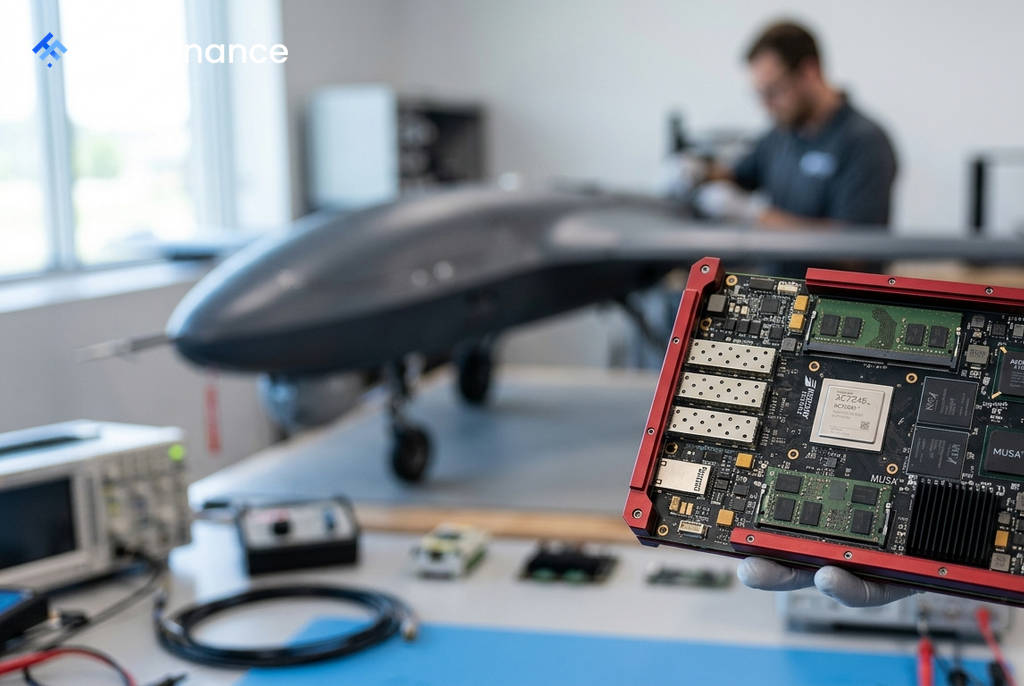
Piper Sandler has initiated coverage on Mercury Systems (MRCY) with an Overweight rating, arguing the defense-electronics supplier is well-positioned to capitalize on the growing demand for autonomous and software-driven military technology. The brokerage set a $126 price target on the stock, implying roughly 15% upside from its recent price of $109.15, according to the analyst note.
Thesis Driven by Autonomous Systems
The positive outlook is rooted in the increasing need for ruggedized, high-performance computing across military platforms. Piper Sandler highlighted that Mercury Systems is poised to benefit from expanding processing requirements driven by the growth in autonomous systems and next-generation command-and-control initiatives.
The firm noted that Mercury's Common Processing Architecture is already integrated into more than 300 active defense programs across over 25 prime contractors, demonstrating its established position in the market.
Strong Momentum and Growth Outlook
Despite the stock gaining approximately 200% over the past two years, Piper Sandler believes recent business momentum can support further organic growth. The analyst note pointed to Mercury's latest quarter, which saw record bookings and a significant increase in its project backlog.
Key performance indicators cited by the brokerage include:
 Ad
- Record bookings of $348 million, a 74% year-over-year increase.
- Backlog growth of 18%.
Looking ahead, Piper Sandler projects a compound annual growth rate (CAGR) for revenue of about 10% through 2030. The firm also forecasts adjusted EBITDA margins progressing toward the low-to-mid 20% range and free-cash-flow conversion of around 50%.
Margin Expansion and Identified Risks
A key part of Mercury's operational turnaround, according to the note, is its strategic shift toward an 80% production and 20% development business mix. Production programs reportedly carry margins that are approximately 1,000 basis points higher than development work, creating a clear path for enhanced profitability as production volumes increase.
However, Piper Sandler also flagged potential risks for investors to consider. These include the cyclical nature of government spending, customer concentration—with its three largest customers accounting for 33% of revenue—and potential supply-chain constraints for critical components like FPGAs, ASICs, and processors.
Read next
More on Stocks
FTC Orders Walmart, Uber, Delta to Disclose Data on Personalized Pricing
The U.S. Federal Trade Commission is demanding nine major companies, including leading retail, travel, and gig economy firms, to provide information on how they use consumer data for setting individual prices and wages.

Google Launches Gemini 4 Carbon AI Model to Bolster Cybersecurity Capabilities
Alphabet's Google has unveiled Gemini 4 Carbon, its latest AI model specifically designed for advanced cybersecurity tasks like vulnerability detection and secure code generation. The launch escalates competition with rivals OpenAI and Anthropic in the enterprise AI market.

Oracle Shares Surge After Unveiling $225 Billion Revenue Target for 2030
Oracle stock rose sharply after the company presented a long-term financial outlook targeting at least $225 billion in annual revenue by fiscal 2030, driven by its expanding AI infrastructure business.

DOJ Scrutinizes Nvidia's $12.9B Hugging Face Deal Amid Broader Antitrust Probe, Sources Say
The U.S. Department of Justice is reportedly examining Nvidia's planned $12.93 billion acquisition of AI platform Hugging Face as part of a wider, ongoing antitrust investigation into the chipmaker's market conduct.