
Story
Huawei Trial Begins as US Prosecutors Allege Decades of Corporate Theft and Sanctions Violations
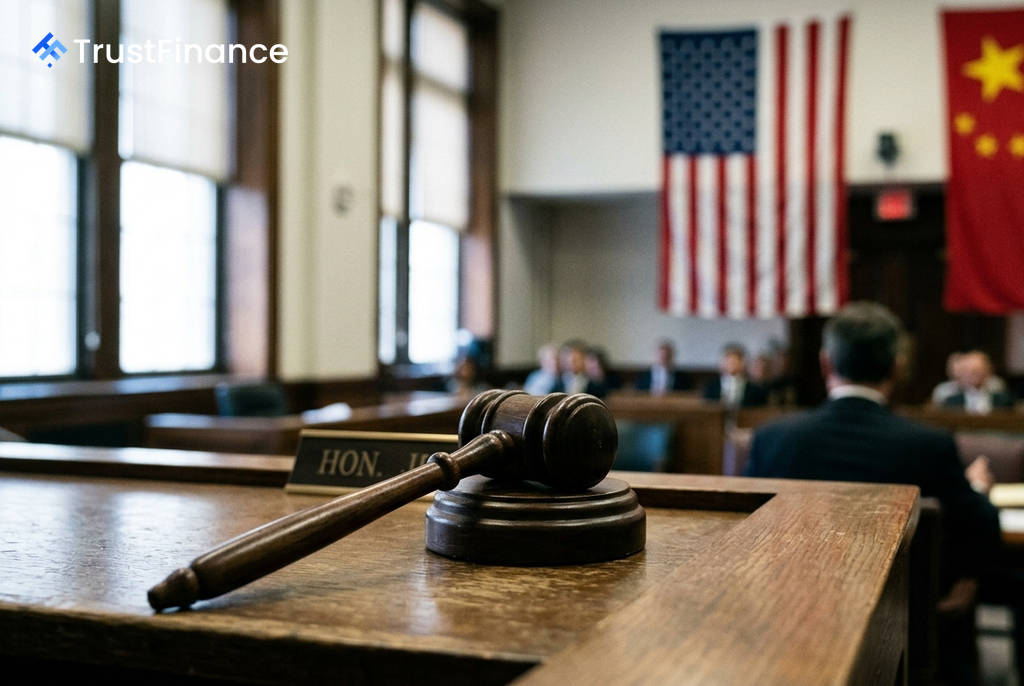
A U.S. federal prosecutor on Wednesday described Chinese technology giant Huawei as a criminal enterprise that systematically stole from American companies and violated sanctions to build its global telecommunications empire. The allegations came during opening statements in a long-awaited trial in Brooklyn federal court, marking a significant escalation in the years-long U.S. campaign against the company.
"Theft, lies, cover-up," said Taylor Stout, a trial attorney for the U.S. Department of Justice. "For 20 years, that’s how Huawei, a massive Chinese telecommunications company, victimized American companies and abused the American financial system, all in an effort to dominate the telecommunications industry around the world."
Prosecution Outlines Racketeering Case
The government's case centers on a sprawling indictment that includes charges of racketeering, a pattern of illegal activity conducted by an enterprise. Prosecutors allege Huawei conspired to steal trade secrets from at least five U.S. firms to gain an unfair competitive advantage.
Key allegations presented to the jury include:
- Stealing operating system source code for internet routers from Cisco Systems.
- Illegally obtaining a robotic arm used for testing phones from T-Mobile.
- Misrepresenting its business in Iran to circumvent U.S. sanctions and move millions of dollars through the American financial system.
Stout told jurors they would hear from witnesses who caught Huawei "red-handed trying to steal American tech," according to Reuters.
 Ad
Defense Argues 'Competition, Not Conspiracy'
Huawei's defense team painted a starkly different picture, portraying the company as a successful innovator being unfairly targeted by the U.S. government. Defense attorney Brian Heberlig argued that prosecutors were "cherry-picking isolated events" and twisting ordinary business activities to appear criminal.
"It’s about competition, not conspiracy. Innovation, not theft. Ordinary business dealings, not criminal conduct," Heberlig said in his opening statement. He argued that specific incidents of alleged theft were the actions of individual employees, not a corporate conspiracy, and that management took corrective action. Regarding the Iran sanctions, Heberlig stated that the banks allegedly misled by Huawei were aware of its business in the country.
Context and Market Implications
The trial is the culmination of an investigation that began publicly in 2018 with the arrest of Huawei's Chief Financial Officer, Meng Wanzhou, in Canada on a U.S. warrant. While charges against Meng were dismissed in 2022 as part of a deferred prosecution agreement, admissions she made are expected to be introduced as evidence in the corporate trial.
The case has profound implications beyond the courtroom, reflecting the intense geopolitical and economic rivalry between the U.S. and China over technological supremacy. Huawei is already subject to significant U.S. restrictions that limit its access to American technology and bar its networking equipment from U.S. infrastructure. The trial, expected to last three months, could result in further penalties and reinforce the company's isolation from Western markets, impacting global technology supply chains.
Read next
More on Stocks
FTC Orders Walmart, Uber, Delta to Disclose Data on Personalized Pricing
The U.S. Federal Trade Commission is demanding nine major companies, including leading retail, travel, and gig economy firms, to provide information on how they use consumer data for setting individual prices and wages.

Google Launches Gemini 4 Carbon AI Model to Bolster Cybersecurity Capabilities
Alphabet's Google has unveiled Gemini 4 Carbon, its latest AI model specifically designed for advanced cybersecurity tasks like vulnerability detection and secure code generation. The launch escalates competition with rivals OpenAI and Anthropic in the enterprise AI market.

Oracle Shares Surge After Unveiling $225 Billion Revenue Target for 2030
Oracle stock rose sharply after the company presented a long-term financial outlook targeting at least $225 billion in annual revenue by fiscal 2030, driven by its expanding AI infrastructure business.

DOJ Scrutinizes Nvidia's $12.9B Hugging Face Deal Amid Broader Antitrust Probe, Sources Say
The U.S. Department of Justice is reportedly examining Nvidia's planned $12.93 billion acquisition of AI platform Hugging Face as part of a wider, ongoing antitrust investigation into the chipmaker's market conduct.