
Story
Federal Reserve Hikes Interest Rates for First Time in Three Years, Signals More Tightening

Summary
The U.S. Federal Reserve raised its benchmark interest rate by a quarter-point to a 3.75%-4.00% range, its first increase in three years, signaling a more aggressive stance against persistent inflation.
The U.S. Federal Reserve has raised its benchmark interest rate by 25 basis points to a target range of 3.75% to 4.00%, marking the first rate hike in three years. The central bank also signaled that further monetary tightening is likely as it seeks to bring persistent inflation back to its 2% target.
A Hawkish Stance on Inflation
The decision by the Federal Open Market Committee (FOMC) on Wednesday was unanimous. According to the policy statement, the move is intended to "support a timelier return" to the Fed's inflation goal, a message investors interpreted as more hawkish than anticipated.
Fed Chair Kevin Warsh justified the hike by pointing to persistently above-target inflation and recent signs of a strengthening economy. The Fed's updated economic projections, or "dot plot," revealed that 16 of 18 policymakers expect at least one additional quarter-point rate increase by the end of 2026.
Market Reaction and Outlook
The move prompted a notable reaction in fixed-income markets. While short-dated Treasury yields rose, longer-dated yields fell, a dynamic that suggests growing investor confidence in the Fed's ability to manage inflation over the long term. The 10-year Treasury yield eased to just below 5% following the decision.
 Ad
AdU.S. stock indexes closed lower on Wednesday, though equity futures pointed to a higher open on Thursday. Looking ahead, Fed funds futures indicate that traders are pricing in a roughly 50% probability of another rate hike at the central bank’s next meeting in October.
Global Context
The Fed's action precedes key decisions from other major central banks. The Bank of England is expected to hold its interest rate steady on Thursday, while the Bank of Japan is widely anticipated to announce a rate hike on Friday.
In commodity markets, oil prices extended recent losses after both Brent and WTI crude benchmarks fell about 3% on Wednesday. The decline followed reports that Saudi Arabia is offering additional crude supply, which could help ease concerns over recent regional supply disruptions.
Read next
More on Commodities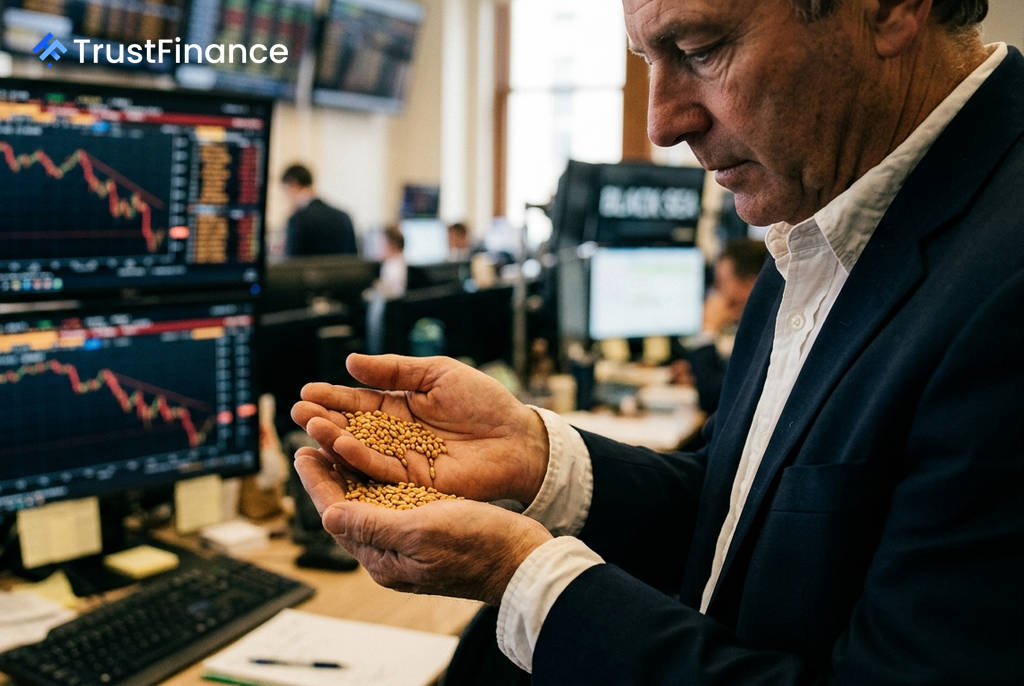
Wheat Futures Decline Amid Black Sea Diplomatic Hopes and Lack of Fresh Catalysts
Chicago wheat futures closed lower on Thursday as traders weighed reports of a potential shipping truce in the Black Sea, while U.S. export sales data offered no bullish surprises.

US to Grant Visas to Iranian President for UN General Assembly Amid Ongoing Conflict
The U.S. State Department will allow a delegation of top Iranian officials, including President Masoud Pezeshkian, to attend the UN General Assembly in New York, despite the ongoing military conflict between the two nations.

JPMorgan Abandons Oil Market Baseline Amid Extreme Geopolitical Uncertainty
JPMorgan Chase no longer holds a clear baseline view for oil markets, citing an inability to model the endgame of ongoing Middle East conflicts that have driven Brent crude above $100 per barrel.
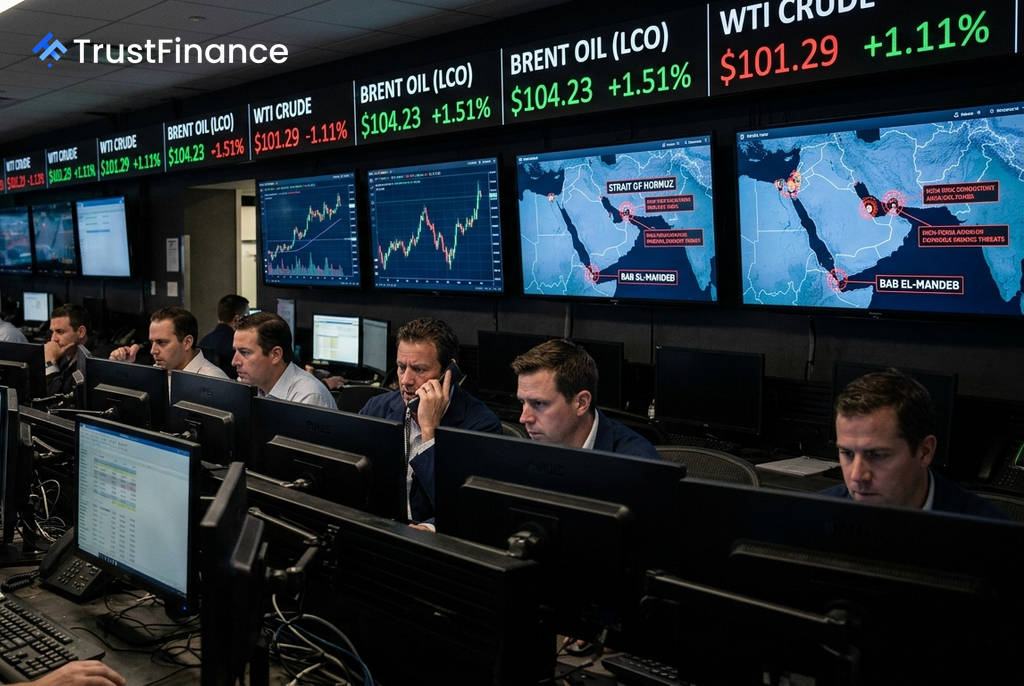
JP Morgan Withdraws Oil Market Forecast, Citing 'No Clear Endgame' in Iran Conflict
The investment bank has abandoned its baseline view on oil for the first time since the Middle East conflict began, stating it cannot model an outcome amid significant supply disruptions and demand destruction.