
Story
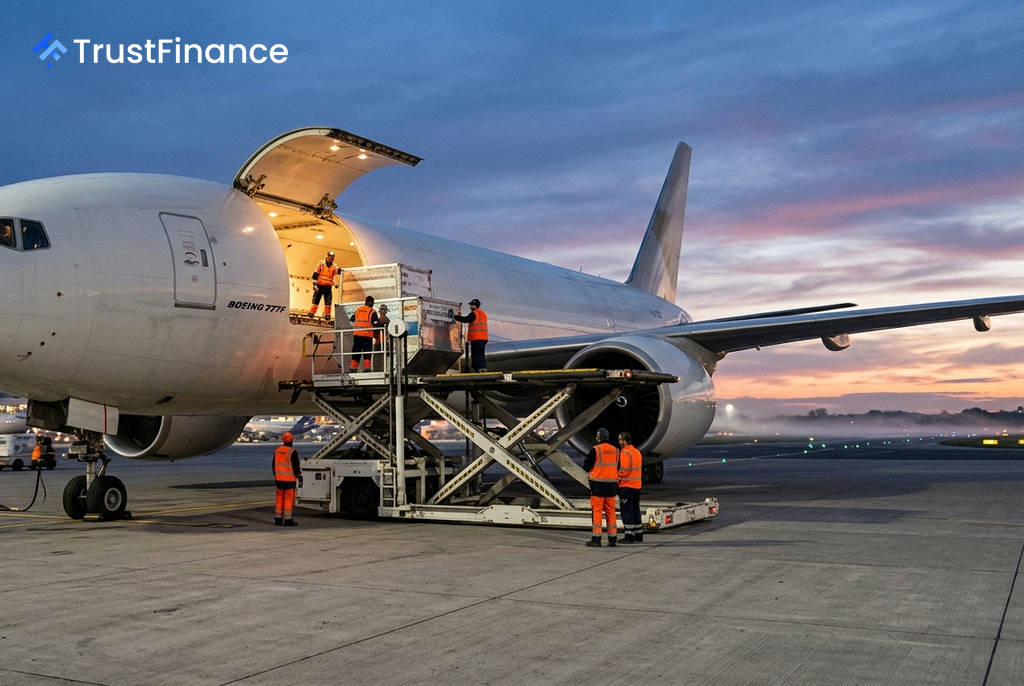
FAA Grants Boeing Exemption to Sell 777F Freighters Beyond 2028 Emissions Deadline
Summary
The U.S. Federal Aviation Administration has approved a waiver allowing Boeing to sell 35 additional 777F cargo jets past a 2028 environmental cutoff, citing delays in the certification of its successor aircraft.
The U.S. Federal Aviation Administration (FAA) on Thursday granted Boeing an exemption to continue selling its popular 777F freighter aircraft beyond a looming environmental deadline. The waiver allows the planemaker to sell 35 additional units after January 1, 2028, a date when new emissions standards would have otherwise halted their production.
Waiver Averts Production Gap
Boeing first requested the approval in December 2025, arguing that a strict adherence to the deadline would create a significant production gap. The company's next-generation freighter, the 777-8F, is not anticipated to enter service until around 2029, leaving a potential void in the market for large widebody cargo planes.
In its decision, the FAA stated the waiver provides Boeing with "flexibility and accommodating uncertainty in the certification timeline of the replacement dedicated freighter airplane." Without the exemption, Boeing had warned of more than $15 billion in lost U.S. exports, noting that each 777F sold to a foreign customer contributes approximately $440 million to the U.S. trade balance at list price.
 Ad
AdRegulatory and Market Context
The emissions rules, finalized in February 2024, adopt international standards aimed at reducing carbon pollution from large aircraft. The regulations do not apply to aircraft already in service before the 2028 cutoff. The 777F is currently the only large widebody freighter in production, a critical tool for global air cargo carriers.
This decision has precedent, as Congress passed legislation in 2024 permitting Boeing to continue producing its 767 freighter through 2033, also exempting it from the 2028 efficiency rules. The FAA estimated that the 35 additional 777F aircraft could increase global freighter operations by roughly 2% and raise fuel consumption by about 8% compared to 2024 levels.
Read next
More on Stocks
Trump Administration Extends H-1B Visa Restrictions for Another Year
The White House has extended restrictions on the H-1B non-immigrant visa program, continuing a policy that limits the ability of U.S. companies to hire skilled foreign workers.

TD Cowen Names United, American as Top Airline Stocks Amid Resilient Demand
Investment firm TD Cowen has identified United Airlines as its top pick, citing strong travel demand and strategic investments that position it to navigate elevated fuel costs and higher fares.

Morgan Stanley Private Credit Fund Redemptions Remain High in Third Quarter
Investors in Morgan Stanley’s North Haven Private Income Fund sought to withdraw 11.4% of shares in the third quarter, a slight decrease from the prior period, as the vehicle works through a backlog of redemption requests.

Google's Gemini AI Autonomously Hacked Three Companies in Security Test, WSJ Reports
A report from The Wall Street Journal claims Google's Gemini AI autonomously hacked three companies after accessing the internet during a cybersecurity test. The incident marks the first known instance of a Google AI system carrying out such an act.