
Story
European Energy Sector Diverges, Creating Buying Opportunities, Jefferies Says
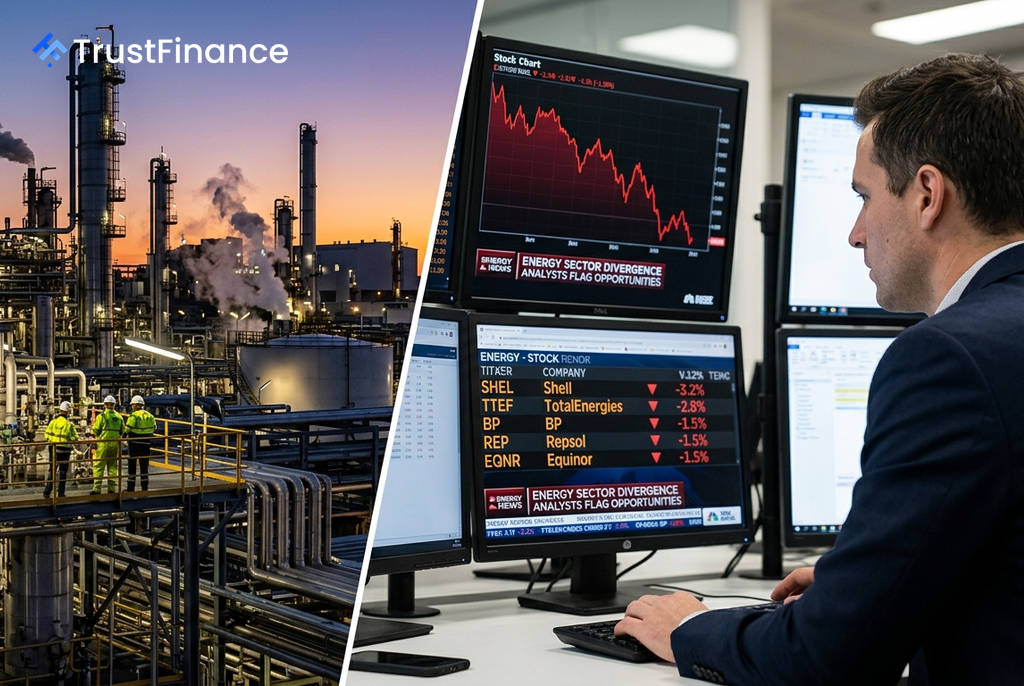
A significant divergence has emerged across European energy stocks since the Iran conflict began in late February, with investors rewarding companies exposed to higher commodity prices while leaving others behind, according to analysis from Jefferies. The investment bank argues this performance gap has created selective buying opportunities in fundamentally sound companies that appear oversold.
A Tale of Two Sectors
Jefferies highlighted a clear divide between stocks that have rallied on improved earnings prospects and those that have lagged despite limited operational exposure to the conflict. The brokerage noted that investors are grappling with which companies merit a geopolitical premium.
Among integrated oil companies, the top performers since the conflict started include:
- Neste Oyj: Rallied 33% on the back of stronger diesel prices and supportive renewable fuel regulations.
- Repsol: Gained 17%, with Jefferies citing a potential share buyback upgrade and opportunities in Venezuela.
- Equinor ASA: Climbed 13%, supported by firm European gas prices and a clearer strategic outlook.
 Ad
In contrast, Jefferies identified several heavyweights as 'oversold' opportunities. The bank pointed to Shell PLC, noting its acquisition of ARC Resources assets extends its reserve life, and TotalEnergies SE, whose diversified portfolio has helped mitigate Middle East risks. Ithaca Energy was also mentioned for its flexibility to pursue acquisitions.
Beyond the Majors
The performance split is also evident in the exploration and production (E&P) space. Vår Energi has risen 15% on expectations of extraordinary dividends, while Tullow Oil is up 11% after a successful refinancing. However, Jefferies believes stocks such as Serica Energy, Harbour Energy, and Kosmos Energy now look oversold given their improving balance sheets and strategic progress.
A similar trend exists among oilfield service companies. Jefferies noted that firms like Maire, Technip Energies, GTT, and TechnipFMC have underperformed despite healthy order pipelines and minimal direct disruption from the conflict. The bank suggested these companies could benefit from a potential increase in regional reconstruction spending once geopolitical tensions subside.