
Story
Zimbabwe Delays Plan to Phase Out US Dollar, Citing Need for Economic Stability
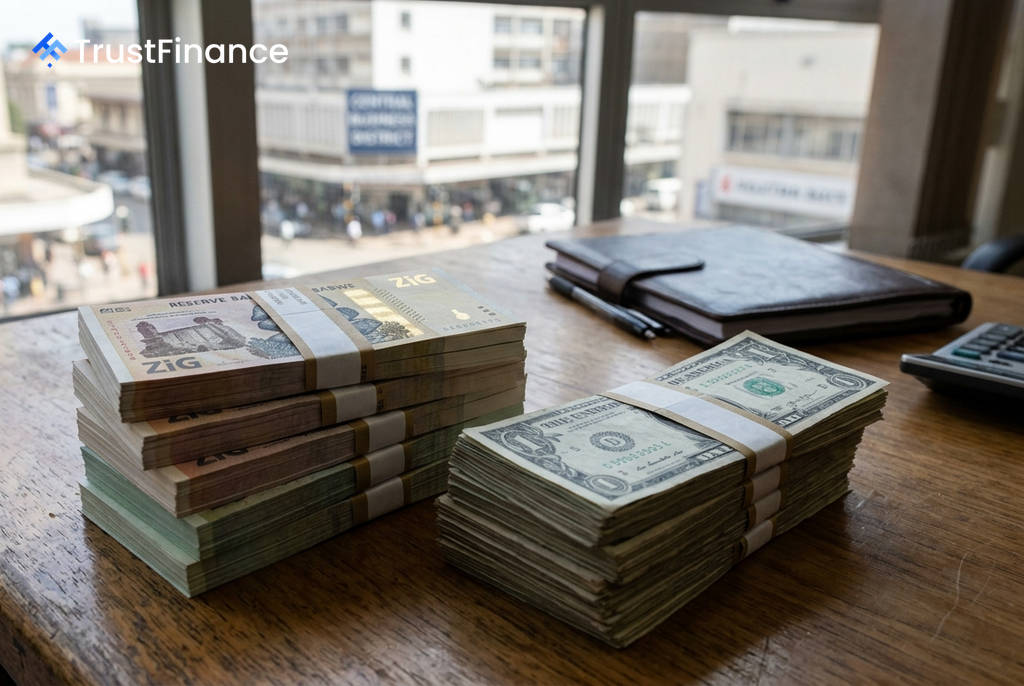
Zimbabwe is postponing its plan to phase out the U.S. dollar, opting to maintain a dual-currency system until key economic stability metrics are met. The country will not rush to establish the recently introduced Zimbabwe Gold (ZiG) as its sole currency while inflation and exchange rates remain volatile, a senior official said Wednesday.
Stability a Prerequisite
Speaking at a budget review meeting with business leaders in Harare, Finance Ministry Secretary George Guvamatanga confirmed the government's cautious approach. "We will not rush to a mono-currency before the exchange rate is stable and inflation is stable," Guvamatanga stated.
The announcement signals a pragmatic shift from the government's original timeline. The decision means the U.S. dollar, which is widely used for daily transactions, will remain legal tender alongside the ZiG for the foreseeable future, providing a measure of predictability for businesses and consumers.
Context of the ZiG Currency
Zimbabwe launched the gold-backed ZiG in April 2024, marking its sixth attempt in a generation to create a functional domestic currency following multiple devastating cycles of hyperinflation. The initial long-term plan was to gradually phase out the use of the U.S. dollar by 2030.
 Ad
This delay underscores the immense challenge of de-dollarizing an economy accustomed to relying on a more stable foreign currency. For investors, the continued use of the U.S. dollar offers a temporary shield against local currency volatility, though the ultimate success of the ZiG remains critical for long-term economic sovereignty.
Economic Outlook
The government's focus on stability is supported by recent improvements in key indicators. According to the source, Zimbabwe has seen a significant drop in its annual inflation rate, which fell to 3.2% last month from 4.7% in June. This is a dramatic improvement from the peak of 786% recorded in May 2020.
In addition to taming inflation, Guvamatanga said the southern African nation plans to bolster its economic defenses by increasing its foreign exchange reserves. The goal is to raise reserves from the current level, which covers 1.6 months of imports, to a healthier coverage of 2 months.
Read next
More on Forex
Polish Zloty Hits 11-Month Low Against Euro on Energy Price Pressure
The Polish zloty weakened to 4.410 against the euro, its lowest point since November 2023, as rising energy prices and caution ahead of a U.S. Federal Reserve decision weighed on the currency.

Sterling Slips as Dollar Strengthens Ahead of Fed Decision and UK Budget
The British pound lost ground against a resurgent U.S. dollar on Wednesday as market attention shifted from tech sector volatility to upcoming central bank decisions and the UK budget announcement.

Eurozone Bond Yields Climb as French Fiscal Concerns Return Ahead of Fed, ECB Decisions
Yields on French and German government bonds rose as relief from a ratings affirmation for France proved temporary, with investors refocusing on fiscal challenges and awaiting key policy verdicts from the U.S. Federal Reserve and the European Central Bank.

Canadian Dollar Slips as Markets Await Bank of Canada, Fed Decisions
The Canadian dollar edged lower against its U.S. counterpart, snapping a seven-day winning streak as investors adopted a cautious stance ahead of Wednesday's key interest rate announcements from both the Bank of Canada and the U.S. Federal Reserve.