
Story
Xiaomi Tipped as a Leader in AI Home Appliances by Morgan Stanley
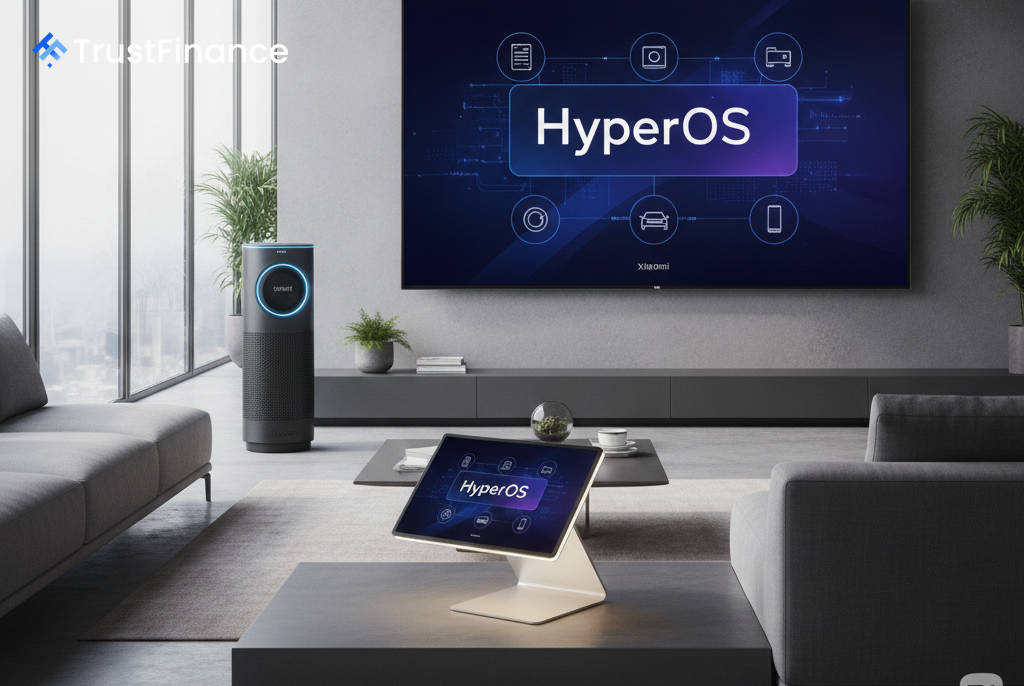
Xiaomi is well-positioned to become one of the biggest beneficiaries of China’s expanding AI-powered home appliance market, according to a report from Morgan Stanley. The investment bank reiterated its Overweight rating and a HK$45 price target on the company, citing its integrated product ecosystem and long-term growth potential.
Bullish Market Outlook
Analysts at Morgan Stanley project significant growth for the sector, forecasting China's AI home appliance market will expand from approximately $123 billion today to about $150 billion by 2030. The growth is expected to be driven by rising consumer adoption of connected devices and higher average selling prices.
The bank estimates that Xiaomi’s domestic revenue from AI home appliances could exceed RMB 200 billion by 2035. It also noted that the company's overseas revenue has the potential to surpass that figure, highlighting international expansion as another key avenue for growth.
The Ecosystem Advantage
Central to the bullish outlook is Xiaomi’s "Human + Car + Home" strategy, which integrates a wide portfolio of products including smartphones, wearables, appliances, and electric vehicles through its HyperOS platform. This creates a cohesive user experience and significant opportunities to increase customer spending.
 Ad
According to the report, Xiaomi’s expanding global user base is a major competitive advantage. The company has more than one billion connected devices, providing a large foundation to cross-sell products and strengthen its position against traditional appliance manufacturers.
Underestimated AI Potential
Morgan Stanley suggested the market continues to underestimate the value of Xiaomi's investments in artificial intelligence. The firm's development of proprietary large language models (LLMs) and AI agents could become a more meaningful valuation driver as earnings growth accelerates through 2027 and 2028.
These AI capabilities are expected to support product differentiation, premium pricing, and overall profitability. Near-term concerns over rising memory chip costs were described as manageable, with the report noting that management has outlined measures such as price increases and product mix adjustments to mitigate the impact.