
Story
U.S. Treasury Yields Decline on AI-Driven Flight to Safety; French 10-Year Hits 5%

U.S. Treasury yields declined on Wednesday as a broad risk-off shift in global markets, fueled by investor anxiety over high valuations in the artificial intelligence sector, prompted a flight to the safety of government bonds.
Flight to Safety Buffets U.S. Yields
A rally in Treasuries pushed the benchmark U.S. 10-year note yield down to 5.110%. Buying pressure was also seen on other parts of the curve, with the 30-year bond yield easing to 5.419%, near its lowest level in a month. The shorter-term 2-year note yield was at 4.776%.
The move into lower-risk sovereign debt was driven by growing skepticism among investors regarding AI revenue timelines and stretched stock valuations. Market participants are closely watching upcoming earnings from Meta and Tesla for further insight into corporate spending on AI infrastructure. Despite the daily drop, longer-term U.S. yields remain historically elevated due to persistent concerns over expanding federal deficits and increased debt supply from auctions.
European Debt Markets Face Divergent Pressures
 Ad
In Europe, French government bonds came under significant pressure, with the benchmark 10-year yield crossing the psychological 5% mark to hit a fresh 2002 high of 5.001%. The sell-off reflects investor concerns over an ongoing social and fiscal crisis in France, which has diminished prospects for fiscal consolidation against a budget deficit of 5.4% of GDP.
According to Reuters, the risk premium that investors demand to hold French 10-year bonds over their German counterparts widened to approximately 157 basis points, approaching levels last seen during the 2011 sovereign debt crisis.
Conversely, yields on British government debt rose after official data showed UK inflation accelerated unexpectedly. The annual Consumer Price Index (CPI) jumped to 3.5% in September, up from 3.1% in August and beating consensus forecasts. In response, the policy-sensitive UK two-year gilt yield climbed as money markets reduced bets on near-term interest rate cuts from the Bank of England.
Read next
More on Forex
Pound Sterling Rises on Surprise UK Growth as Dollar Falters
The British pound gained against a weakening U.S. dollar after UK economic data for August unexpectedly showed growth. The dollar's decline was attributed to concerns over debt in the AI sector, overriding recent hot inflation data.
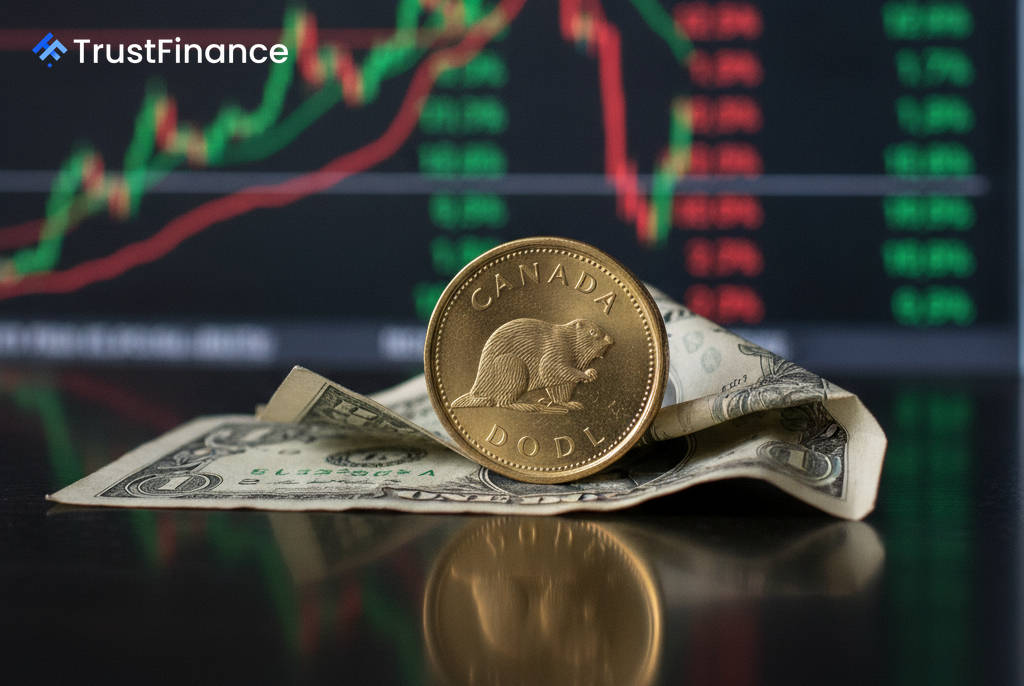
Canadian Dollar Strengthens, but Hot U.S. PPI Report Raises Inflation Alarms
The Canadian dollar gained against its U.S. counterpart on Thursday, even as a surprisingly high U.S. producer price index report intensified concerns about persistent inflation and further Federal Reserve tightening.

Argentina Halts Domestic Dollar Bond Sales as Yields Spike Above 12%
Argentina has suspended its domestic issuance of dollar-denominated bonds for the second straight month after yields surged past 12%, complicating its debt repayment strategy.

Dollar's Four-Week Rally Ends; Indonesian Rupiah Tumbles on MSCI Downgrade Threat
The U.S. dollar posted its first weekly loss in over a month as falling Treasury yields reduced its appeal, while Indonesian markets faced a sharp sell-off on a proposed downgrade from index provider MSCI.